

How To Get Into Stock Trading And Build A Strategic Investment Framework
How to Invest in Stocks: 7 Steps to Get Started
Stock trading is not merely about buying and selling equities; it is an analytical discipline that requires structured planning, continuous learning, and disciplined execution. For professionals exploring how to get into stock trading, the most effective approach is to build a strategic framework based on market structure, risk management, and data-driven analysis. Success in trading stems from clarity of purpose, measurable goals, and adaptive strategies aligned with changing market conditions.
Understanding the Foundations of Stock Trading
Before designing a trading strategy, one must grasp how markets operate, who participates in them, and what drives price movements. This foundation shapes every decision made later in portfolio construction or trade execution.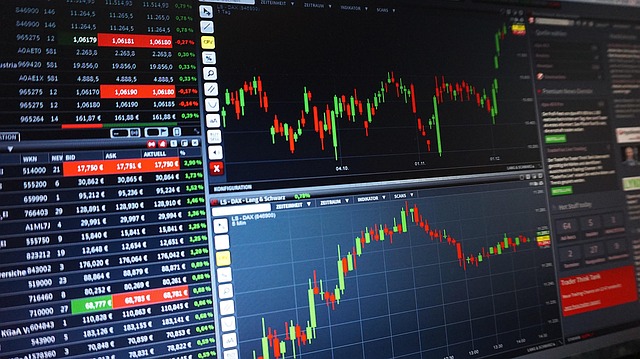
Defining Stock Trading and Its Market Dynamics
Stock trading involves the exchange of ownership in publicly listed companies through organized markets known as stock exchanges. These exchanges—such as the NYSE or NASDAQ—serve as regulated venues ensuring liquidity and transparency. Brokers act as intermediaries between investors and exchanges, while market makers provide continuous bid-ask quotes to maintain orderly markets. Active traders exploit short-term price fluctuations using technical indicators or news catalysts, whereas long-term investors focus on value appreciation over years through fundamental analysis.
Key Financial Instruments in Stock Trading
The core instruments include common stocks granting voting rights and dividends, and preferred stocks offering fixed-income-like returns with priority claims. Exchange-Traded Funds (ETFs) provide diversified exposure across sectors or indices at lower cost. Derivatives such as options allow hedging or speculative positioning based on expected volatility. Liquidity—the ease of entering or exiting a position—and volatility—the degree of price fluctuation—are decisive factors when selecting instruments for different strategies.
Establishing a Strategic Investment Framework
A structured investment approach transforms random trades into a coherent system aimed at achieving measurable outcomes. It connects personal financial objectives with disciplined execution grounded in quantitative reasoning.
The Importance of a Structured Approach
Every investor should align objectives with risk appetite and time horizon. For instance, capital preservation suits conservative portfolios while aggressive growth strategies tolerate higher drawdowns. Behavioral finance highlights that emotions like fear or greed often distort rational judgment; thus systematic rules help mitigate biases during volatile periods.
Components of a Robust Investment Framework
Asset Allocation Strategy
Diversification spreads exposure across asset classes—equities, bonds, commodities—and geographies to reduce unsystematic risk. Strategic allocation maintains fixed ratios over time, while dynamic allocation adjusts weights based on macroeconomic signals or valuation metrics.
Risk Management Protocols
Position sizing determines how much capital to allocate per trade; frameworks like the Kelly Criterion optimize growth relative to risk probability. Stop-loss orders cap downside exposure automatically when prices move unfavorably. Hedging via options or inverse ETFs further stabilizes returns during turbulent markets.
Conducting Market Research and Analysis
Comprehensive research blends fundamental insight with technical observation. Both dimensions complement each other: fundamentals identify what to buy; technicals suggest when to act.
Fundamental Analysis for Equity Selection
Evaluating company performance starts with revenue growth trends, profit margins, debt levels, and free cash flow generation. Analysts also assess management credibility through governance practices and track record. Competitive advantages—like proprietary technology or brand strength—create economic moats sustaining profitability. Valuation ratios such as Price-to-Earnings (P/E), Price-to-Book (P/B), and Enterprise Value-to-EBITDA (EV/EBITDA) help determine whether a stock trades above or below intrinsic worth.
Technical Analysis for Timing Decisions
Charts reveal behavioral patterns reflecting crowd psychology. Moving averages smooth short-term noise to highlight trend direction; the Relative Strength Index (RSI) signals overbought or oversold conditions; MACD crossovers indicate momentum shifts. Volume spikes often confirm trend continuation or reversal as institutional activity intensifies around key support-resistance zones.
Building a Trading Plan Aligned with Investment Goals
A well-documented plan serves as both roadmap and accountability tool. It defines precise entry-exit rules and sets measurable performance standards against benchmarks.
Defining Entry and Exit Criteria
Quantitative triggers—like moving average crossovers or breakouts above resistance—guide trade initiation objectively. Exits rely on predefined profit targets or stop-loss thresholds rather than impulse decisions. Macroeconomic factors such as interest rate changes or earnings announcements can refine timing further by aligning trades with broader cycles.
Setting Performance Benchmarks and Metrics
Performance evaluation extends beyond absolute returns. Comparing portfolio results against indices like the S&P 500 reveals relative efficiency known as alpha generation. The Sharpe ratio measures return per unit of risk taken; maximum drawdown quantifies worst-case loss scenarios critical for capital preservation analysis.
Selecting the Right Brokerage Platform and Tools
The brokerage environment directly influences execution quality and analytical depth available to traders seeking professional-grade infrastructure.
Evaluating Brokerage Features for Professionals
Key attributes include low latency execution speed, diverse order types (limit, stop-limit), transparent fee structures, and margin flexibility for leveraged positions. Integration with analytical platforms such as Bloomberg Terminal or MetaTrader enhances data visualization and real-time monitoring capabilities crucial for active traders handling multiple assets simultaneously.
Leveraging Technology for Data Analysis and Automation
Algorithmic Trading Systems
Algorithmic systems codify trading logic into programmable rules executed automatically under defined conditions. Backtesting evaluates historical performance before deployment using statistical validation metrics like Sharpe ratio consistency across datasets. Continuous monitoring ensures models adapt to evolving volatility regimes without drifting from intended parameters—a vital safeguard against overfitting risks common in automated systems.
Continuous Learning and Adaptation in Trading Practice
Markets evolve constantly under shifting economic forces; adaptability distinguishes enduring traders from transient ones who rely solely on static models.
Monitoring Economic Indicators and Market Trends
Interest rate policy shifts by central banks influence equity valuations through discount rate adjustments; inflation data affects sector rotation between growth and value stocks; fiscal spending impacts cyclical industries differently from defensives. Global interdependencies mean developments in commodity-exporting nations can ripple into currency markets affecting multinational earnings forecasts.
Refining Strategies Through Performance Review
Post-trade Analysis Techniques
Reviewing historical trades uncovers behavioral patterns like premature exits during minor pullbacks—a symptom of loss aversion bias identified in behavioral finance studies by Kahneman & Tversky (1979). Statistical evaluation of win-loss ratios versus expectancy provides empirical feedback guiding future refinements toward consistent profitability rather than sporadic success stories.
Ethical Considerations and Regulatory Compliance in Stock Trading
Ethics underpin trust essential for functioning capital markets where transparency safeguards investor confidence globally.
Understanding Legal Frameworks Governing Markets
Regulatory bodies such as the U.S. Securities and Exchange Commission (SEC) enforce disclosure norms ensuring fair access to information while FINRA oversees broker-dealer conduct within domestic markets. Comparable authorities abroad maintain similar oversight standards under frameworks aligned with IOSCO principles promoting global consistency against insider trading practices that distort price integrity.
Upholding Professional Integrity in Trading Activities
Adherence to ethical codes prevents conflicts between client interests and proprietary motives within institutional settings. Transparent reporting builds credibility among stakeholders while reinforcing systemic stability—a prerequisite for sustainable participation across increasingly interconnected financial ecosystems worldwide.
FAQ
Q1: What’s the first step for someone learning how to get into stock trading?
A: Start by understanding market mechanics through simulated accounts before committing real capital; this builds familiarity with order execution without financial risk.
Q2: How much capital is required to begin investing effectively?
A: There’s no fixed minimum; however, professional traders often recommend starting with enough funds to diversify positions meaningfully—typically several thousand dollars depending on strategy scope.
Q3: Are ETFs better than individual stocks for beginners?
A: ETFs offer diversification instantly across sectors which reduces idiosyncratic risk compared to single-stock exposure—making them efficient entry points for new investors building foundational portfolios.
Q4: How frequently should an investor review their portfolio?
A: Quarterly reviews align well with corporate earnings cycles allowing timely rebalancing decisions without reacting impulsively to daily noise unless high-frequency strategies are employed.
Q5: What regulatory precautions should traders keep in mind?
A: Compliance with anti-manipulation laws under SEC guidelines is mandatory; maintaining records of transactions ensures transparency during audits or tax assessments while protecting professional reputation long term.