
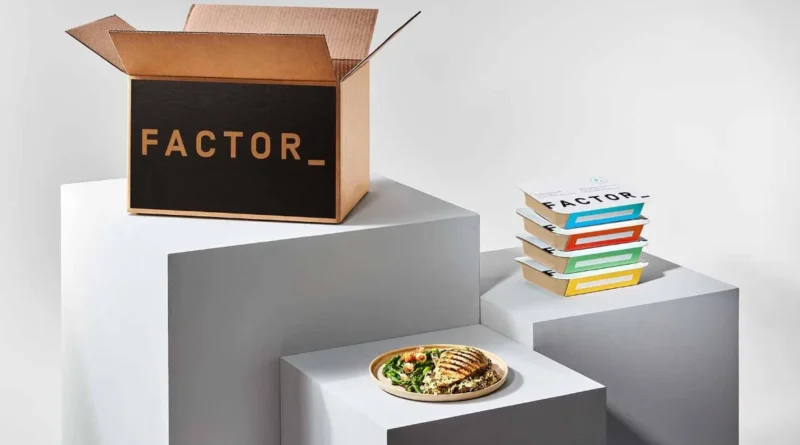
Are Factor Meals Worth It For Professionals Seeking Balanced Nutrition
Are Factor Meals Worth It? A Brutally Honest 2026 Review
Factor Meals has become a go-to for professionals chasing convenience without trading off nutrition. The short answer: yes, they are worth it for time-strapped individuals prioritizing balanced diets, though not every menu item justifies the premium price. This review breaks down the service’s nutritional integrity, market position, and long-term practicality for busy lifestyles.
Understanding Factor Meals and Their Market Position
Before evaluating value, it is essential to see how Factor Meals fits in the broader meal delivery ecosystem. The brand differentiates itself through ready-made meals that arrive fresh, not frozen. This appeals to those who want quality food fast. Many office workers face long days and little time to cook. Factor Meals steps in with simple heat-and-eat options that still meet basic health needs.
Overview of Factor Meals as a Meal Delivery Service
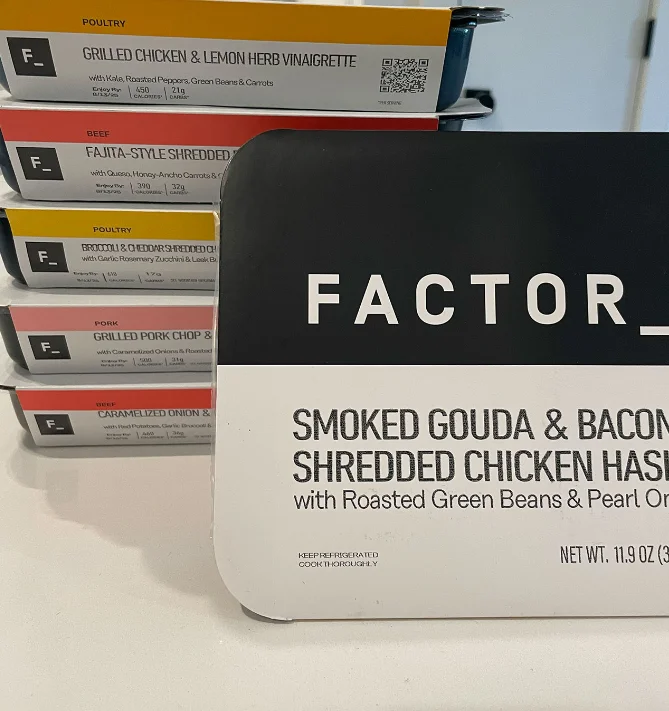
Factor Meals delivers fully prepared dishes designed by chefs and reviewed by dietitians. Its core audience includes professionals with demanding schedules who still want meals that align with fitness or wellness goals. Unlike meal kit services such as Blue Apron or HelloFresh, which require cooking, Factor focuses on heat-and-eat simplicity. This model mirrors the efficiency seen in other industries prioritizing integration and reliability. The same principle applies here. Consistency across sourcing, preparation, and delivery defines its strength. For instance, a project manager who finishes work at eight in the evening can open the fridge, pick a container, and have dinner ready without extra steps. That kind of straightforward process adds up over weeks and months.
The Nutritional Philosophy Behind Factor Meals
The company’s menus reflect modern nutritional science. Each meal balances macronutrients. Proteins help with satiety and muscle repair. Complex carbohydrates support sustained energy. Healthy fats aid hormonal balance. Dietitian-approved categories like Keto, Calorie Smart, or Protein Plus cater to specific health goals. The emphasis on whole ingredients and minimal processing aligns with current dietary trends that value transparency over novelty. People who track their intake often notice how these meals keep hunger in check during afternoon meetings. A sales rep might choose a Protein Plus option before a client call and avoid the mid-day crash that comes from fast food.
Evaluating Nutritional Value for Professional Lifestyles
Factor’s appeal lies in its promise of fueling productivity through nutrition that complements demanding workdays. Professionals often overlook micronutrient balance when eating on the go. This is where pre-portioned meals offer an advantage. Busy people skip balanced plates because grabbing something quick feels easier. Factor removes that choice by delivering ready portions that already include vegetables and lean proteins.
Macronutrient Composition and Caloric Density
Most Factor meals provide between 400 and 650 calories with roughly 30 to 40 grams of protein per serving. This ratio works well for maintaining energy without post-meal sluggishness. Compared to takeout or office cafeteria options, the portion control helps stabilize blood sugar levels throughout long hours at desks or meetings. For those tracking macros closely, this predictability simplifies daily planning. Take a software developer who logs food in an app. Knowing the exact numbers from Factor lets them adjust snacks later without guesswork. One container covers lunch and leaves room for an apple or yogurt in the afternoon.
Micronutrients and Functional Ingredients
Beyond macros, the inclusion of vegetables rich in antioxidants supports cognitive performance under stress. Anti-inflammatory spices such as turmeric appear frequently in recipes aimed at sedentary professionals combating inflammation from prolonged sitting. However, sodium levels can run high in some dishes. Regular users should monitor intake if consuming multiple meals daily. A consultant who travels often might pair a lower-sodium Factor option with extra water on flight days to stay comfortable. Real experience shows that small adjustments like this keep energy steady across different routines.
Convenience Versus Culinary Quality
Convenience drives subscriptions but taste retention determines loyalty. In this area, Factor balances efficiency with flavor better than most competitors. People return to services that deliver both speed and decent taste, not just one or the other.
Time Efficiency in Meal Preparation and Consumption
Meals typically reheat in under three minutes using a microwave or oven-safe container. For professionals juggling calls or commutes, this near-instant readiness is invaluable. The packaging design allows easy stacking in office fridges or transport in insulated bags. An overlooked but practical detail shows up when someone needs to carry lunch to a co-working space. The containers hold up without leaks and stack neatly. That small reliability matters when schedules change at the last minute.
Flavor Profile and Menu Diversity
Weekly rotating menus prevent palate fatigue while maintaining nutritional discipline. Dishes like creamy chicken piccata or spicy Thai curry retain texture surprisingly well after refrigeration. While reheated food rarely equals freshly cooked meals, Factor’s vacuum-sealed freshness minimizes flavor loss better than frozen alternatives. A nurse on night shifts mentioned that the curry still tasted bright after four days in the fridge. She could rotate between three or four different meals without getting bored during a tough week.
Economic Considerations for Professionals
Pricing influences whether users stick with subscriptions beyond initial enthusiasm. At $11 to $13 per meal on average, cost comparisons matter. Many weigh this against both money and time spent elsewhere.
Cost-Benefit Analysis Compared to Alternatives
Compared to dining out daily, which easily exceeds $15 per meal, Factor offers moderate savings plus nutritional assurance. Grocery shopping may appear cheaper upfront but demands time investment many professionals lack. Subscription flexibility allows pausing deliveries without penalties. Such customer-centric systems build trust over time. An accountant during tax season can pause for two weeks when travel picks up and restart without hassle. The saved decision time adds value that shows up in better focus on actual work tasks.
Value Perception Among Health-Conscious Consumers
For health-focused consumers, cost becomes secondary to reliability and wellness outcomes. Paying slightly more feels justified when it removes decision fatigue around what to eat next. A subtle psychological benefit ties to structured meal planning. Someone who used to stare at takeout apps at 7 p.m. now opens the fridge and picks from labeled containers. That shift reduces stress even if the dollar amount stays similar to other options.
Health Outcomes and Performance Implications
Long-term users often report improved focus during work hours due to consistent nutrient intake patterns rather than sporadic snacking. The steady supply of balanced meals supports routines that otherwise fall apart under deadline pressure.
Impact on Energy Levels and Cognitive Functioning
Meals rich in lean proteins and complex carbs promote steady energy release throughout the day. Compared to heavy restaurant lunches that induce mid-afternoon fatigue, these portions sustain alertness without digestive strain. This factor proves crucial for cognitive-intensive professions like consulting or tech development. A team lead who switched to Factor noticed fewer 3 p.m. coffee runs and more consistent output on reports that stretch into evening hours.
Weight Management and Metabolic Health Considerations
Controlled calorie counts aid weight maintenance even during sedentary periods common among remote workers. Consistent nutrient ratios also help maintain metabolic rhythm. This matters for those balancing irregular schedules or travel demands. One graphic designer who works from home kept a log for six weeks and saw stable weight without strict dieting. The meals simply removed the need to improvise lunch each day.
Sustainability and Ethical Dimensions of Factor Meals
As sustainability becomes a purchasing criterion across industries, Factor’s sourcing practices deserve scrutiny. Consumers now ask where ingredients come from and how waste gets handled.
Ingredient Sourcing Practices
The company highlights responsibly sourced produce and antibiotic-free proteins but provides limited transparency about supplier audits or carbon footprint metrics. Food services could adopt better traceability frameworks for credibility enhancement by 2026 standards. A buyer who cares about farm practices might still choose Factor for the nutrition side while looking for updates on sourcing reports in future emails.
Corporate Responsibility in Nutrition Innovation
Investment in research-driven menu development positions Factor within broader wellness trends emphasizing functional nutrition. The approach resembles how other sectors plan ahead for changing needs. Users benefit when new options appear that match shifting goals, such as higher fiber meals during periods of low activity.
Expert Insights on the Long-Term Viability of Factor Meals
The service’s adaptability will determine if it remains relevant as consumer expectations evolve toward personalization and sustainability metrics seen across other industries by 2026. Companies that listen to feedback tend to keep subscribers longer.
Integration into Professional Wellness Programs
Corporations increasingly include nutrition subscriptions within employee wellness benefits. Factor could integrate seamlessly into such programs given its dietitian oversight model compatible with individualized coaching frameworks used by executives or athletes seeking measurable performance outcomes. A mid-size firm might test a group discount and track participation rates over a quarter to see real uptake.
Predicting Future Developments in Prepared Nutrition Services
Expect AI-driven personalization soon. Adaptive menus based on biometric feedback could redefine convenience food by aligning nutrient timing with personal metabolic data within two years. Early users of similar tools already report better matches between meals and daily energy needs. Factor has room to grow in this direction while keeping the core heat-and-eat format intact.
FAQ
Q1: How fresh are Factor Meals upon delivery?
A: They arrive refrigerated and maintain quality up to seven days when stored properly. Users often finish the week’s order without issues if they rotate meals evenly.
Q2: Are there vegetarian options available?
A: Yes, several weekly vegetarian dishes exist though vegan selections remain limited compared to omnivore menus. Checking the app each Sunday helps plan around preferences.
Q3: Can subscribers customize portion sizes?
A: Currently no. All meals follow standardized portions designed around general adult caloric needs. Some users add a side salad on heavier training days to adjust totals.
Q4: How does pricing compare with similar services?
A: Slightly higher than frozen brands but lower than restaurant takeout. Value lies mainly in time saved and nutritional consistency. A quick math check against weekly grocery receipts shows the gap narrows when counting prep time.
Q5: Is packaging environmentally friendly?
A: Containers are recyclable though insulation materials vary regionally. Sustainability improvements are expected as logistics evolve toward lower waste targets by 2026 standards. Many customers already set aside the plastic trays for weekly recycling pickup.