

Could The Baby Swing Design Standards Prevent Unusual Rescue Incidents
How to Reduce SUID Risk: Safe Sleep for Infants
Sudden Unexpected Infant Death (SUID) remains one of the most challenging issues in pediatric safety. The safest approach to lower SUID risk is to focus on the infant’s sleep environment—particularly crib design, mattress firmness, and positioning. A well-constructed baby crib with breathable materials, a firm mattress, and adherence to safe sleep guidelines significantly reduces hazards such as suffocation or entrapment. Healthcare experts emphasize that prevention depends on combining regulatory compliance with caregiver education and consistent use of evidence-based practices.
Understanding the Relationship Between Baby Crib Design and SUID Risk
The link between crib design and infant mortality is well established through decades of research. A baby’s immediate sleep environment can either protect or expose them to preventable dangers.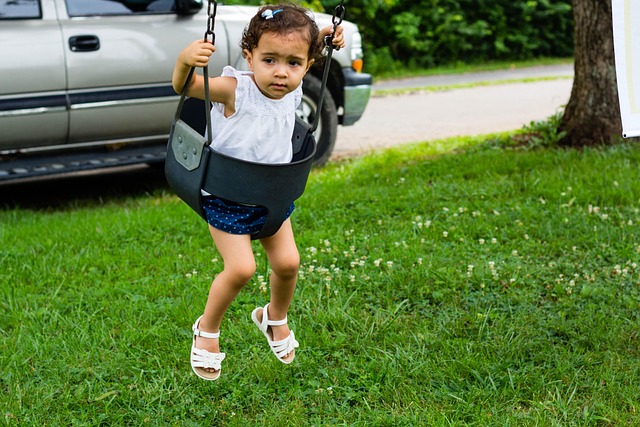
Defining SUID and Its Primary Risk Factors
SUID refers to any sudden and unexplained death of an infant under one year old, encompassing Sudden Infant Death Syndrome (SIDS), accidental suffocation, and unknown causes. These deaths often occur during sleep when unsafe conditions are present. Environmental factors—such as overheating, soft bedding, or improper positioning—are known contributors. Behavioral aspects like bed-sharing or smoking near infants further heighten risk. Safe sleep environments are therefore central to reducing mortality rates.
How Crib Design Influences Infant Sleep Safety
Crib architecture directly affects air circulation, body alignment, and entrapment risk. Poorly spaced slats or loose mattresses can trap an infant’s limbs or face, leading to suffocation. Materials used in crib production also matter; low-quality coatings may release volatile compounds harmful to infants’ developing respiratory systems. Consistent manufacturing standards that define slat spacing (typically no more than 2 3/8 inches apart) help maintain structural integrity while preventing injury.
Key Design Features That Support Safe Infant Sleep
Designing a baby crib involves balancing comfort with strict safety measures. Each component—from mattress density to ventilation—plays a measurable role in minimizing SUID risk.
The Role of Mattress Firmness and Fit
A firm mattress supports proper spinal alignment and prevents facial sinking that could block airflow. Loose-fitting mattresses create dangerous gaps where infants can become trapped. Industry standards require that cribs fit mattresses snugly on all sides; caregivers should not be able to insert more than two fingers between the mattress and frame. Uniform sizing across manufacturers helps maintain this consistency.
Ventilation and Airflow Considerations in Crib Construction
Adequate ventilation prevents overheating—a known factor linked with SIDS—and supports oxygen flow around the infant’s head. Open slat designs allow for natural air exchange without compromising stability. Overly enclosed cribs or those lined with thick padding restrict airflow, trapping heat and carbon dioxide near the infant’s breathing zone.
Materials, Coatings, and Chemical Safety in Crib Manufacturing
Non-toxic finishes such as water-based paints reduce exposure to lead or formaldehyde residues sometimes found in cheaper imports. Sustainable materials like untreated hardwoods limit off-gassing from adhesives or synthetic coatings. Compliance with national safety certifications ensures that each product meets chemical safety thresholds before market release.
Integrating Safe Sleep Guidelines into Crib Use Practices
Even the safest crib cannot offset risky sleep habits. The way infants are positioned and how caregivers manage their environment determines real-world outcomes.
Recommended Sleep Positioning for Infants
Placing infants on their backs remains the single most effective measure against SUID. This position keeps airways open and reduces rebreathing of exhaled gases. Soft items such as pillows, stuffed toys, or bumpers should never be inside the crib since they increase suffocation potential. Consistency in following these rules across naps and nighttime sleep reinforces long-term safety habits.
The Importance of Room-Sharing Without Bed-Sharing
Room-sharing allows parents to monitor their baby closely while maintaining separate sleeping surfaces—a balance endorsed by pediatric authorities worldwide. Bed-sharing increases accidental overlay risks when adults move during sleep. Keeping the baby crib beside the parents’ bed promotes bonding without compromising safety.
Evaluating Innovation in Modern Crib Design for Risk Reduction
Recent advances in technology have introduced new dimensions to infant care furniture design, merging traditional craftsmanship with digital monitoring tools.
Smart Cribs and Monitoring Technologies
Smart cribs integrate motion sensors that track breathing patterns, temperature changes, and micro-movements during rest periods. These systems alert caregivers if irregularities occur, offering peace of mind though not replacing direct supervision. Ethical considerations around data privacy remain important as these devices collect sensitive biometric information from infants.
Ergonomic Advances Supporting Infant Development and Safety
Modern cribs feature adjustable mattress heights that adapt as babies grow—from higher settings for newborns to lower ones once mobility increases—to prevent falls while maintaining convenience for caregivers. Convertible designs that transition from crib to toddler bed extend usability without sacrificing compliance with current safety codes.
Regulatory Standards and Professional Recommendations for Safe Cribs
Regulations shape every stage of crib development—from raw material selection to post-market surveillance—and are critical in safeguarding public health outcomes.
National Safety Regulations Governing Crib Manufacturing
The U.S. Consumer Product Safety Commission (CPSC) enforces mandatory testing protocols covering structural integrity, slat spacing, paint toxicity, and hardware durability. Regular recalls demonstrate ongoing oversight within this sector, ensuring defective products are swiftly removed from circulation. Certification labels serve as visible indicators of compliance for healthcare professionals advising new parents on safe purchases.
The Role of Healthcare Experts in Promoting Safe Sleep Environments
Pediatricians routinely counsel families on choosing cribs aligned with recognized standards while discouraging outdated designs like drop-side models banned since 2011 due to entrapment hazards. Collaboration between designers, regulators, and clinicians fosters innovation grounded in clinical data rather than aesthetic preference alone.
FAQ
Q1: What is the safest position for an infant to sleep?
A: Always place infants on their backs on a firm surface free from loose bedding or soft objects.
Q2: How tight should a baby crib mattress fit?
A: It should fit snugly so no more than two fingers can fit between the mattress edge and crib frame.
Q3: Are smart cribs safer than traditional ones?
A: They can add monitoring features but do not replace caregiver vigilance or adherence to safe sleep practices.
Q4: Why is room-sharing safer than bed-sharing?
A: Room-sharing allows close supervision while keeping separate surfaces to prevent accidental suffocation or overlay incidents.
Q5: What certifications indicate a safe baby crib?
A: Look for compliance marks from recognized agencies such as CPSC or ASTM International verifying material quality and construction standards.