
What FMCG Means for Asian Aspirations Driving European Retail Growth
Asian Aspirations in Europe: Why Shoppers Are Looking East and What It Means for FMCG and Retail
Asian influence has become a defining force in Europe’s retail and FMCG landscape. European shoppers are increasingly drawn to products inspired by Asian quality, innovation, and wellness ideals. This eastward gaze is not just aesthetic but strategic — reshaping how brands design, market, and distribute goods. The convergence of these cultures is producing hybrid products, smarter marketing strategies, and a more agile retail ecosystem that blends the best of both worlds.
Understanding FMCG in the Context of Asian Aspirations
The FMCG sector sits at the heart of this transformation. As consumer preferences evolve, so does the definition of value in everyday consumption.
Defining What FMCG Means in Global Retail Terms
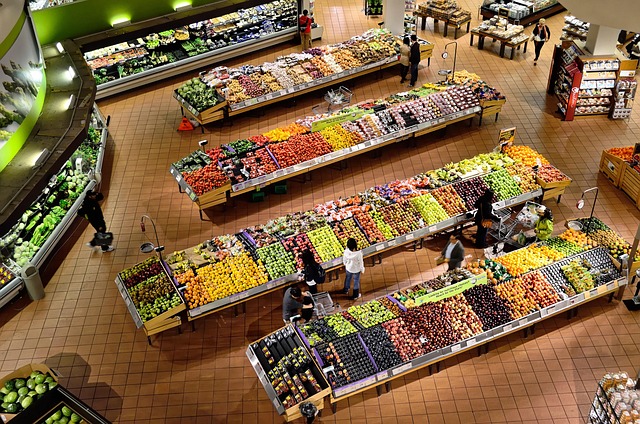
Fast-Moving Consumer Goods (FMCG) means products with rapid turnover and relatively low cost. These include food, beverages, personal care items, and household essentials that dominate supermarket shelves. Globally, the success of FMCG brands depends on consumer demand patterns, distribution efficiency, and brand positioning. In Europe today, many emerging trends are being shaped by cultural influences from Asia — from packaging styles to product innovation cycles.
The Intersection of Asian Consumer Values and European Retail
Asian consumer values emphasize craftsmanship, purity of ingredients, and functional benefits. These values resonate strongly with European consumers seeking authenticity and wellness. The popularity of Korean skincare routines or Japanese minimalist design shows how deeply these ideals have penetrated Western markets. Asian brands entering Europe are not only introducing new product lines but also influencing local FMCG strategies through storytelling that highlights heritage and innovation.
The Influence of Asian Aspirations on European Consumer Behavior
Cultural exchange between Asia and Europe goes beyond trade; it redefines what consumers consider modern or premium.
Shifting Perceptions of Quality and Innovation
European consumers increasingly associate Asian products with advanced technology and health-conscious design. This perception extends from electronics to functional foods such as matcha-infused snacks or collagen drinks. Cross-cultural branding strategies use these associations to build trust — much like how Japanese precision has become shorthand for reliability across industries.
Cultural Exchange Through Lifestyle and Consumption Patterns
Lifestyle trends rooted in Asia — minimalism, mindfulness, sustainable living — now guide European consumption habits. Retailers adapt by incorporating Eastern aesthetics into store layouts or digital platforms that emphasize calmness over clutter. The fusion of Eastern philosophies with Western consumption models creates brand stories that feel both global and personal.
Strategic Implications for FMCG Brands Operating in Europe
For brands competing in Europe’s crowded retail space, integrating Asian insights offers a tangible edge.
Product Development Inspired by Asian Trends
Incorporating ingredients like green tea extract or ginseng enhances differentiation while signaling quality. Collaborations with Asian suppliers help diversify product portfolios quickly without losing credibility. Yet local adaptation remains crucial — a misaligned cultural reference can alienate rather than attract consumers.
Marketing Strategies Reflecting Cross-Cultural Appeal
Storytelling built around heritage resonates strongly across markets where authenticity sells better than slogans. Influencer partnerships further bridge cultural gaps; for instance, European creators promoting Japanese or Korean products often contextualize them within local lifestyles. Data-driven insights reveal which demographics respond most to these cross-cultural cues.
The Role of Technology in Bridging Asia–Europe Retail Dynamics
Technology acts as both connector and accelerator in the evolving Asia–Europe retail corridor.
Digital Platforms Facilitating Market Entry and Growth
E-commerce platforms allow Asian brands to reach European audiences faster than traditional retail partnerships ever could. Social commerce amplifies visibility through targeted campaigns tailored to regional tastes. Meanwhile, AI-driven analytics refine inventory management across borders — ensuring supply meets fluctuating demand efficiently.
Integration of Smart Devices in Consumer Experience (e.g., Starkey Hearing Aids Reviews)
Reviews play an essential role in shaping perceptions of technological reliability. For example, Starkey hearing aids reviews show how transparency around performance data builds consumer trust in high-tech products. Similarly, FMCG categories benefit from review ecosystems where feedback loops enhance credibility for both premium devices and everyday goods sold online.
Future Outlook: How Asian Aspirations Will Continue to Drive European Retail Growth
The trajectory suggests deeper integration ahead as both regions learn from each other’s strengths.
Anticipated Evolution in Consumer Expectations
European shoppers will continue demanding authenticity paired with sustainability — hallmarks of modern Asian design thinking. Hybrid categories blending East–West attributes will grow rapidly across beauty, food, and lifestyle sectors as consumers seek novelty grounded in purpose.
Opportunities for Collaboration Between Regions
Joint ventures between European retailers and Asian manufacturers open new market niches while balancing cost efficiency with creativity. Shared R&D initiatives could accelerate innovation cycles for health-focused or tech-enabled products that appeal globally yet remain locally relevant.
Long-Term Impact on Retail Ecosystems
Supply chains will evolve toward greater agility to accommodate cross-border influences. Cultural hybridization will redefine what “premium” means — shifting focus from price alone to experience, ethics, and emotional connection between brand and buyer.
FAQ
Q1: What does FMCG mean?
A: FMCG means Fast-Moving Consumer Goods — items sold quickly at low cost such as packaged foods, toiletries, beverages, and cleaning products.
Q2: How are Asian trends influencing European FMCG markets?
A: They inspire new product designs emphasizing wellness, sustainability, and craftsmanship while encouraging cross-cultural marketing narratives.
Q3: Why do Starkey hearing aids reviews matter in this context?
A: They illustrate how transparent performance data builds trust online — a principle equally vital for FMCG brands managing digital reputations.
Q4: What opportunities exist for collaboration between Asia and Europe?
A: Joint ventures can combine European distribution expertise with Asian innovation capabilities to create differentiated offerings across categories.
Q5: How will consumer expectations change under continued Asian influence?
A: Expectations will center on authenticity, ethical sourcing, smart functionality, and holistic well-being rather than mere affordability or convenience.