

Is Milk Production Efficiency the Key to Reversing Wisconsin Dairy Profit Decline
Wisconsin Dairies Face Declining Profit Expectations, Economic Anxiety
Wisconsin’s dairy farms are navigating a tightening economic landscape. Profit margins have narrowed as milk prices stagnate while feed, fuel, and labor costs climb. Many producers face a dual challenge: maintaining production efficiency amid aging infrastructure and adapting to volatile global markets. The industry’s stability now depends on smarter management, technology adoption, and diversification beyond raw milk sales. Those who fail to adapt risk being absorbed by larger operations or exiting the market entirely.
Economic Pressures Facing Wisconsin Dairy Operations
The financial strain on Wisconsin dairies stems from both market and structural pressures. Producers must balance short-term survival with long-term competitiveness in an increasingly consolidated sector.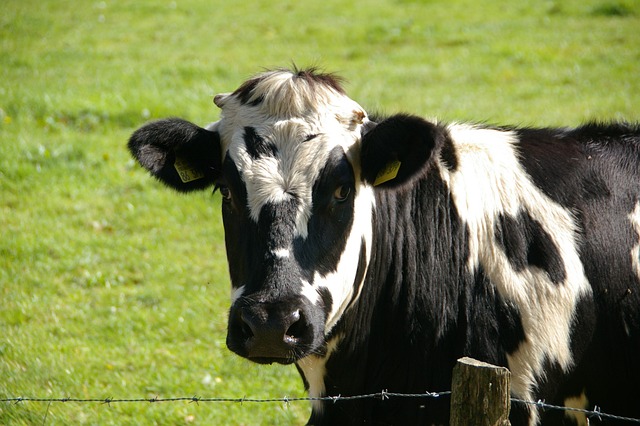
Shifting Market Dynamics in the Dairy Sector
Declining milk prices have eroded profitability across many family-owned farms. While global demand for dairy remains steady, export barriers and currency fluctuations have tightened local margins. Rising input costs—from feed to fertilizer—compound the pressure, leaving little room for reinvestment or expansion. Larger operations often absorb these shocks better through scale efficiencies, further accelerating consolidation trends that reshape rural competition.
Structural Challenges in Wisconsin’s Dairy Industry
Many of Wisconsin’s dairy facilities were built decades ago and now struggle to meet modern efficiency standards. Outdated milking parlors and storage systems limit throughput and increase maintenance costs. Labor shortages add another layer of difficulty; younger workers are less inclined toward farm employment despite rising wages. Environmental compliance adds yet more expense as producers adopt nutrient management plans or manure treatment technologies to meet state and federal regulations.
Understanding Milk Production Efficiency as a Profit Lever?
Efficiency has become the most reliable path to profitability when market prices cannot be controlled. By focusing on measurable performance indicators, farms can identify where small operational gains translate into significant financial outcomes.
Defining Efficiency Metrics in Milk Production
Production efficiency is measured through key metrics such as feed conversion ratios, milk yield per cow, and production cost per hundredweight. Comparing these figures against regional benchmarks helps pinpoint underperformance areas. Digital tools now enable precise tracking of inputs—feed quality, health treatments, energy use—allowing data-driven decisions that improve consistency across herds.
The Relationship Between Efficiency and Profit Margins
When milk prices remain flat, higher yield per cow becomes critical for maintaining revenue levels. Feed efficiency plays a pivotal role since feed typically accounts for more than half of total production costs. Healthier cows produce more consistently, reducing veterinary expenses and improving overall herd longevity. These factors collectively stabilize profit margins even during price downturns.
Technological Innovations Driving Production Efficiency
Technology has shifted from being optional to essential in modern dairy management. Farms integrating automation and genetics gain measurable advantages in output consistency and cost control.
Automation and Data Analytics in Dairy Management
Robotic milking systems are increasingly common across Wisconsin barns. They allow cows to be milked multiple times per day without additional labor while generating detailed performance data for each animal. Sensor-based monitoring tracks rumination patterns, temperature changes, or mobility issues before they escalate into health crises. Centralized data platforms integrate this information into predictive models that guide feeding schedules or breeding decisions with near real-time accuracy.
Genetic Advancements and Herd Improvement Strategies
Selective breeding programs supported by genomic testing help identify cows with superior milk yield potential or disease resistance traits early in life. Over time, this reduces herd replacement rates and improves consistency in production quality. Genetic progress also contributes to better feed utilization—cows convert nutrients more efficiently into milk—further lowering unit costs per hundredweight.
Economic Viability Beyond Production Efficiency
Profitability today requires more than efficient production; it demands creative business models that buffer against commodity volatility and shifting consumer preferences.
Market Diversification and Value-Added Opportunities
Many Wisconsin dairies now process their own products—artisan cheese, yogurt, or organic milk—to capture higher retail margins. These specialty goods often command premium prices due to perceived quality or local origin branding. On-farm creameries also provide direct-to-consumer channels that bypass traditional distributors, improving cash flow stability while strengthening community ties around regional identity.
Risk Management Through Financial and Policy Tools
Producers increasingly rely on hedging contracts to lock in future milk prices or feed costs, smoothing income over volatile seasons. Federal programs like Dairy Margin Coverage offer partial protection against extreme downturns by compensating farmers when price-cost spreads fall below set thresholds. Cooperative membership continues to play an important role by pooling marketing resources and negotiating better transportation or packaging rates across members.
Sustainability Considerations in Enhancing Profitability
Environmental performance is no longer just a regulatory issue—it is emerging as an economic differentiator that affects both cost structure and market access.
Environmental Stewardship as an Economic Asset
Adopting nutrient management practices not only satisfies compliance but also preserves soil fertility over time, reducing fertilizer needs in future cycles. Energy-efficient cooling systems or anaerobic digesters lower electricity consumption while generating renewable energy credits that can be sold back to utilities. Farms certified under sustainability programs often gain entry into premium markets where buyers prioritize environmental accountability alongside product quality.
Balancing Production Growth with Resource Constraints
Water conservation has become central as climate variability increases stress on supply systems across the Midwest. Efficient irrigation methods or recycling of wash water reduce operational risks during dry seasons. Feed sourcing strategies increasingly consider both price stability and ecological footprint; locally grown forages cut transportation emissions while supporting nearby growers. Adaptive management practices—rotating crops for soil recovery or adjusting herd size based on forage availability—help maintain resilience when external shocks disrupt normal production cycles.
FAQ
Q1: Why are Wisconsin dairy profits declining?
A: Milk prices have stagnated while input costs such as feed, fuel, and labor continue rising faster than revenues.
Q2: How does technology improve dairy profitability?
A: Automation reduces labor dependency, while data analytics enhance decision accuracy around feeding, breeding, and health management.
Q3: What role does genetics play in herd performance?
A: Genomic testing identifies high-yield cows early, improving herd productivity and reducing long-term replacement costs.
Q4: Can small farms compete with large operations?
A: Smaller dairies can stay viable through niche products like artisan cheese or organic milk that command higher margins than bulk commodities.
Q5: How do sustainability measures affect farm economics?
A: Energy-efficient systems lower long-term expenses, while sustainable certifications open access to environmentally conscious consumers willing to pay premium prices.