
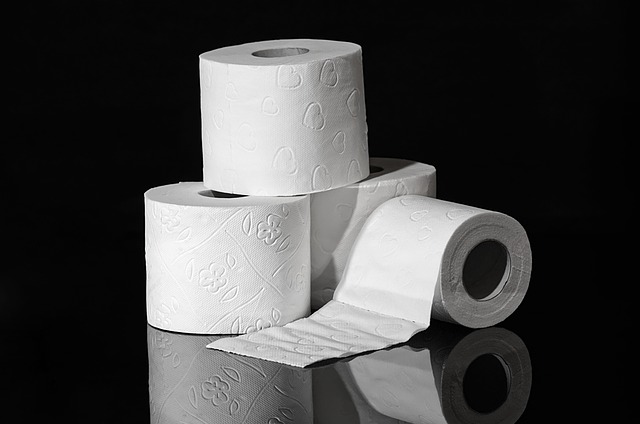
Is Charmin Essentials Toilet Paper Still Competitive Against New Market Leaders
Not Charmin Or Angel Soft: Consumer Reports’ Top Toilet Paper Pick
The latest consumer rankings have surprised many in the hygiene industry. Neither Charmin nor Angel Soft secured the top spot in recent evaluations of toilet paper performance. Instead, newer eco-conscious brands have begun to dominate due to their sustainability credentials, fiber innovation, and cost efficiency. This shift reflects changing consumer priorities—comfort remains vital, but environmental impact and transparency now weigh heavily in purchasing decisions. Charmin Essentials toilet paper still holds a strong position, yet its legacy branding faces pressure from agile competitors that combine softness with sustainable sourcing.
Market Overview Of The Toilet Paper Industry
The global toilet paper market has undergone rapid transformation in recent years. Consumer expectations have expanded beyond softness and strength to include environmental responsibility and ethical manufacturing.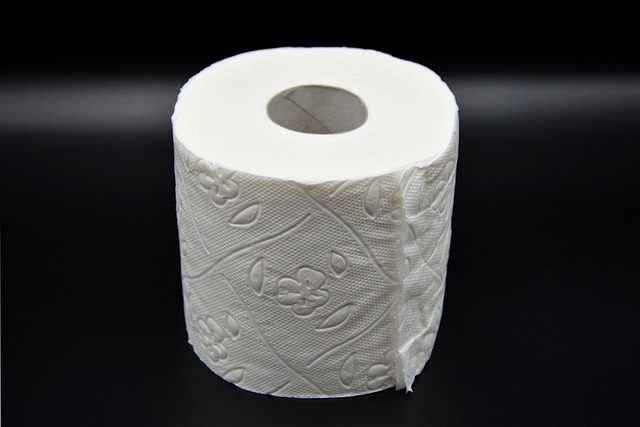
Shifting Consumer Preferences In The Hygiene Sector
Growing demand for sustainable and eco-friendly paper products has reshaped the competitive landscape. Households now seek recycled or bamboo-based alternatives that minimize deforestation. Post-pandemic awareness has also elevated scrutiny of product quality and sourcing transparency, with buyers asking where fibers originate and how they are processed. Pricing sensitivity continues to influence loyalty; even premium users often switch brands during promotions or shortages if value perception shifts.
Emerging Competitors And Their Market Strategies
New entrants emphasize sustainability as their core message rather than comfort alone. Brands using plant-based fibers or zero-plastic packaging attract younger demographics focused on climate impact. Meanwhile, private labels from major retailers introduce premium-quality rolls at lower prices, eroding traditional brand dominance. Technological innovation in fiber processing has improved softness without increasing ply count, allowing smaller producers to compete directly with established names.
Evaluating Charmin Essentials’ Market Position
Charmin Essentials remains a recognizable name within the household paper segment, but its positioning requires careful reexamination amid evolving consumer values.
Brand Heritage And Product Identity
Charmin’s heritage stretches back decades as a symbol of household comfort and reliability. Charmin Essentials was introduced as an affordable yet premium variant designed for budget-conscious families seeking quality. However, consistency in messaging around comfort may not fully resonate with today’s environmentally aware consumers who prioritize lifecycle impact over legacy branding.
Product Composition And Performance Metrics
Charmin Essentials toilet paper typically uses virgin pulp with a balanced fiber blend aimed at softness and strength. Compared with newer entrants using recycled or bamboo fibers, its sheet density remains competitive but less eco-progressive. Laboratory tests assessing absorbency and tensile strength show reliable performance under standard conditions such as ASTM D828 tensile testing protocols. Manufacturing choices—like bleaching processes—affect both perceived quality and environmental footprint, areas where innovation could enhance market competitiveness.
Competitive Benchmarking Against New Market Leaders
The growing number of eco-certified brands has intensified comparison across sustainability claims and price-to-performance ratios.
Performance Comparison With Leading Eco-Conscious Brands
Recycled content ratios now serve as benchmarks for responsible production. Many leading brands advertise 100% recycled fiber content or FSC certification confirming responsible forestry practices. Some also claim full biodegradability within weeks under composting conditions verified by ISO 14855 testing standards. Consumers increasingly weigh these credentials against comfort levels; while some tolerate slightly rougher texture for sustainability’s sake, others demand parity with conventional softness.
Price-To-Value Analysis Across Competing Brands
Cost per roll remains decisive in repeat purchases. Analysts compare unit pricing by sheet count and ply durability metrics to determine long-term value rather than upfront cost alone. Promotional discounts often trigger temporary brand switching but seldom ensure retention unless backed by consistent performance satisfaction. Studies show moderate price elasticity within this category—small changes can prompt trial behavior among mid-tier buyers seeking better deals without sacrificing quality.
Innovation Trends Influencing Market Competitiveness
Technological advances are redefining how tissue products are made, packaged, and distributed globally.
Advancements In Material Science For Tissue Products
Manufacturers are experimenting with plant-based fibers such as sugarcane bagasse or bamboo that require less water during pulping. Reduced chemical processing techniques improve biodegradability while maintaining tensile integrity through micro-texturing technology that enhances softness without additional thickness. Smart manufacturing systems employing real-time moisture sensors optimize energy use across production lines, aligning cost control with sustainability goals.
Packaging And Distribution Innovations
Packaging now plays a central role in brand differentiation. Recyclable wraps made from kraft paper or compostable bioplastics replace traditional polyethylene films to cut waste streams. Logistics optimization—like regional warehousing—reduces carbon emissions associated with long-distance transport. Digital retail strategies further amplify visibility through targeted e-commerce campaigns highlighting verified sustainability metrics alongside comfort ratings.
Expert Insights On Future Market Dynamics
Industry specialists anticipate continued convergence between luxury comfort expectations and ethical sourcing demands over the next five years.
Anticipated Shifts In Consumer Evaluation Criteria
Future buyers will likely assign greater importance to verifiable sustainability data such as carbon footprint disclosures or third-party certifications from bodies like Rainforest Alliance or FSC International. Transparency around supply chains will become non-negotiable as regulatory frameworks tighten on single-use paper goods across major markets including the EU and North America.
Strategic Recommendations For Charmin Essentials’ Competitiveness
Charmin Essentials could strengthen its relevance by reinvesting in R&D focused on low-impact fiber alternatives and closed-loop production systems minimizing waste output. Marketing narratives should pivot toward measurable performance backed by independent testing rather than nostalgic branding cues alone. Partnerships with recognized certification organizations would reinforce credibility among eco-conscious consumers while preserving its reputation for dependable household quality.
FAQ
Q1: Why did Consumer Reports rank other brands above Charmin or Angel Soft?
A: Newer brands excelled in sustainability metrics such as recycled content usage and packaging innovation while maintaining comparable softness scores.
Q2: What makes Charmin Essentials different from regular Charmin?
A: It offers similar comfort at a lower price point by simplifying packaging and optimizing roll design for everyday use.
Q3: Are eco-friendly toilet papers less durable?
A: Not necessarily; advancements in fiber engineering have improved strength even in 100% recycled products tested under ISO-standard conditions.
Q4: How does pricing affect brand loyalty in this market?
A: Consumers often switch when promotions arise but tend to stay loyal if perceived value—including softness per sheet—remains consistent over time.
Q5: What future trends will shape the toilet paper industry?
A: Expect broader adoption of biodegradable materials, transparent sourcing disclosures, and digital-first retail engagement driving informed purchasing decisions.