

Can Kimchi Truly Protect Us From Microplastics in the Human Body
Kimchi Can’t Save Us From Microplastics
The belief that kimchi can defend the human body against microplastics has gained attention online, but scientific evidence does not support it. While kimchi is rich in probiotics, antioxidants, and vitamins that promote digestive and immune health, no research confirms its ability to neutralize or eliminate microplastics. Microplastics are physical contaminants, not chemical toxins easily metabolized or bound by biological compounds. Therefore, the idea that a fermented food could “detoxify” microplastics is scientifically implausible. The more realistic approach lies in reducing exposure through environmental control and maintaining general gut health rather than expecting a single food to act as a shield.
Exploring the Claim: Kimchi as a Defense Against Microplastics?
The claim linking kimchi to microplastic protection reflects how cultural pride and viral wellness narratives often merge with speculative science. Fermented foods like kimchi are celebrated for their health benefits, making them easy targets for exaggerated claims about detoxification.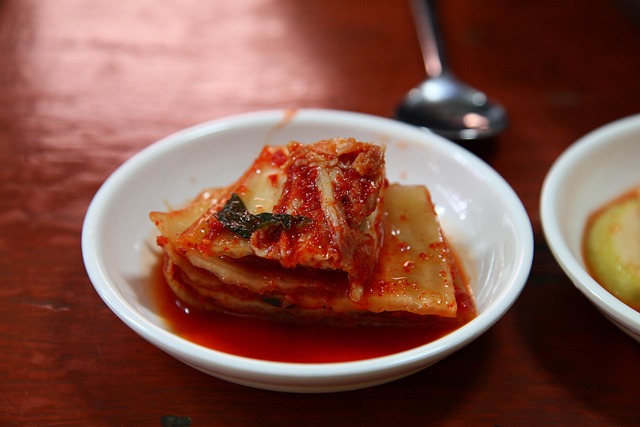
Origins of the Claim in Popular Media and Scientific Discourse
Interest in functional foods has surged alongside public anxiety about pollution. As microplastic contamination became widely reported, social media began amplifying unverified claims that traditional foods could “cleanse” the body. Cultural fascination with Korean cuisine added momentum. However, scientific literature contains no controlled studies demonstrating that kimchi or any fermented vegetable binds or eliminates plastic particles from tissues.
Examination of Cultural and Scientific Factors Contributing to the Narrative
Cultural narratives often elevate national dishes as symbols of longevity or resilience. In South Korea, kimchi represents both heritage and health identity. Scientifically, its probiotic content supports gut balance, which some interpret loosely as “detoxification.” Yet detoxification in biomedical terms refers to enzymatic pathways processing chemical compounds, not mechanical removal of foreign particles like plastics.
Discussion of Misinformation Trends Related to Functional Foods and Detox Claims
Detox myths persist because they offer simple solutions to complex problems. Online wellness communities frequently conflate antioxidant activity with toxin removal. This confusion fuels misinformation cycles where foods are marketed as protective shields against pollutants without empirical backing.
Understanding the Composition of Kimchi
Kimchi’s composition is well studied within food microbiology and nutrition science. To assess its supposed anti-microplastic potential, one must examine what its bioactive elements actually do inside the body.
Breakdown of Key Bioactive Compounds in Kimchi
Kimchi contains lactic acid bacteria such as Lactobacillus plantarum and Leuconostoc mesenteroides, along with vitamins A, C, K, minerals, polyphenols, and carotenoids derived from vegetables like napa cabbage and radish. These compounds contribute antioxidant capacity and influence immune modulation but have no known affinity for synthetic polymers.
The Role of Fermentation in Generating Beneficial Microbial Populations
Fermentation transforms raw vegetables into a probiotic-rich matrix where beneficial microbes outcompete pathogens. This process increases bioavailability of nutrients and produces organic acids that lower pH levels. Such conditions favor gut microbial diversity when consumed but do not imply capability to degrade inert plastics.
Evaluation of Whether These Components Have Any Theoretical Mechanism Relevant to Microplastic Mitigation
No biochemical pathway links probiotic metabolism to polymer degradation inside human intestines. Even if certain environmental bacteria can colonize plastics under laboratory conditions, those species differ from edible strains found in fermented foods.
Microplastics and Their Biological Interactions
Microplastics are now detected across ecosystems and within human tissues. Their biological behavior differs fundamentally from chemical pollutants because they persist physically rather than dissolve or metabolize.
Nature and Sources of Microplastics in the Human Body
Microplastics are defined as plastic fragments smaller than 5 millimeters originating from consumer products or industrial processes. They enter the body primarily through ingestion via food packaging residues or seafood consumption, inhalation of airborne fibers, and occasionally through dermal contact with contaminated water or cosmetics.
Common Exposure Pathways Such as Ingestion, Inhalation, and Dermal Contact
Studies have identified microplastic particles in bottled water, salt samples, lung tissue biopsies, blood plasma, and even placental tissue. These findings highlight how pervasive exposure has become across daily life environments.
Review of Studies Detecting Microplastics in Human Tissues and Fluids
Analytical techniques such as Raman spectroscopy and pyrolysis–gas chromatography confirm polymer presence in biological samples. However, quantifying long-term accumulation remains difficult due to methodological inconsistencies among studies.
Physiological Impacts of Microplastic Exposure
Research on microplastic toxicity is still developing but indicates several concerning biological responses at cellular levels.
Summary of Known Toxicological Effects at Cellular and Systemic Levels
Experimental data suggest that small plastic fragments can induce oxidative stress by generating reactive oxygen species (ROS). They may also trigger inflammatory signaling cascades when internalized by immune cells.
Discussion on Oxidative Stress, Inflammation, and Endocrine Disruption Mechanisms
Certain additives used during plastic manufacturing—like bisphenol A (BPA) or phthalates—leach from particles under physiological conditions and interfere with hormone regulation pathways. These secondary chemical effects complicate risk assessment because both physical presence and chemical leaching contribute to toxicity profiles.
Identification of Current Gaps in Understanding Long-Term Health Outcomes
Longitudinal epidemiological data remain scarce. Most current findings derive from animal models or cell cultures that cannot fully replicate chronic human exposure scenarios over decades.
Evaluating the Biological Plausibility of Kimchi’s Protective Role
To evaluate plausibility scientifically means comparing known biochemical mechanisms with proposed effects rather than relying on anecdotal associations between diet trends and pollutant concerns.
Interaction Between Probiotics and Environmental Pollutants
Some bacterial strains exhibit limited capacity to bind heavy metals through cell wall adsorption processes involving peptidoglycan structures. However, such interactions depend on ionic charge compatibility absent in nonpolar plastic polymers like polyethylene or polypropylene.
Analysis of Bacterial Capacity for Binding or Degrading Synthetic Polymers
Environmental microbiology has documented rare microbial species capable of degrading PET under controlled conditions using specialized enzymes like PETase. Yet these enzymes operate at specific temperatures unsuitable for human gastrointestinal systems.
Assessment of Whether Kimchi-Associated Microbes Demonstrate Similar Properties
No evidence shows Lactobacillus strains typical of kimchi produce polymer-degrading enzymes comparable to PETase or MHETase families identified in soil bacteria such as Ideonella sakaiensis. Thus any claim suggesting internal “plastic digestion” through fermented food microbes lacks molecular basis.
Antioxidant Activity Versus Physical Contaminant Neutralization
Antioxidants act chemically by donating electrons to stabilize reactive molecules; they cannot neutralize solid particles like plastics lodged within tissues.
Differentiation Between Chemical Antioxidant Defense Mechanisms and Particulate Detoxification
Consuming antioxidant-rich foods supports cellular defense against oxidative stress but does not remove foreign bodies physically embedded within organs or bloodstream compartments.
Exploration of Whether Antioxidant-Rich Diets Can Mitigate Microplastic-Induced Oxidative Stress Indirectly
It is plausible that diets high in antioxidants could reduce secondary oxidative damage triggered by microplastic exposure indirectly by maintaining redox balance; however this effect addresses symptoms rather than source removal.
Limitations in Translating In Vitro Findings to Human Physiological Contexts
Most antioxidant efficacy studies occur under simplified lab conditions lacking metabolic complexity present in living organisms; extrapolating those results directly to dietary interventions oversimplifies systemic physiology.
Scientific Evidence: What Current Research Shows
Empirical evaluation remains essential before attributing any detox function to specific foods like kimchi regarding microplastic burden reduction.
Experimental Studies on Fermented Foods and Pollutant Detoxification
Fermented foods have shown some ability to reduce absorption of heavy metals such as cadmium or lead due to microbial chelation properties observed in vitro. Yet heavy metals exist as ions susceptible to binding chemistry unlike solid polymers forming microplastics.
Comparison Between Chemical Pollutants (e.g., Cadmium) and Physical Pollutants (e.g., Microplastics)
Chemical pollutants interact via molecular bonding; physical pollutants persist mechanically without solubility changes inside digestive tracts. Therefore analogies between metal detoxification studies and plastic particle clearance are scientifically invalid.
Critical Evaluation of Methodological Constraints in Applying These Results to Microplastic Research
Designing controlled trials measuring dietary impact on microplastic load would require invasive sampling methods currently considered unethical for healthy participants; hence evidence remains theoretical at best.
Absence of Direct Empirical Support for Kimchi-Microplastic Interaction
Despite popular enthusiasm around fermented superfoods, peer-reviewed literature offers no confirmation linking kimchi intake with reduced internal plastic accumulation levels measured by analytical chemistry methods like FTIR spectroscopy or pyrolysis GC–MS analysis.
Statement on Lack of Peer-Reviewed Evidence Linking Kimchi Consumption With Reduced Microplastic Burden
No indexed journal article reports statistically significant correlation between kimchi consumption frequency and measurable decline in microplastic markers within biological fluids or excreta among human subjects.
Discussion on Challenges in Designing Controlled Studies for This Hypothesis
Variables such as baseline exposure rates, dietary diversity, metabolism differences make isolating effects nearly impossible without longitudinal multi-country cohorts exceeding current research budgets available for nutritional toxicology studies.
Consideration of Confounding Dietary or Lifestyle Variables That Complicate Causal Inference
Factors including overall fiber intake influence fecal transit time potentially affecting excretion rates independent from specific fermented product consumption patterns; thus attributing causality solely to kimchi would misrepresent multifactorial digestion dynamics.
Moving Toward a Realistic Perspective on Diet and Microplastic Exposure Reduction
Rather than seeking miracle foods for detoxification claims unsupported by science, focus should shift toward lifestyle measures proven effective through environmental health research frameworks endorsed by international agencies such as WHO or UNEP reports emphasizing source reduction strategies over post-exposure remedies.
Evidence-Based Dietary Strategies for Reducing Toxic Burden
Practical approaches include minimizing processed packaging use especially microwaving plastics near food contact surfaces; increasing dietary fiber aids gastrointestinal motility facilitating natural clearance processes while maintaining hydration supports renal filtration efficiency sustaining overall resilience against pollutant stressors.
Role of Fiber-Rich Diets in Promoting Gastrointestinal Clearance Processes
Soluble fibers form viscous gels enhancing bulk movement through intestines possibly reducing residence time for ingested particulates though not chemically interacting with them directly; whole grains fruits legumes remain key contributors here rather than fermented condiments alone.
Importance of Hydration Balanced Nutrition and Gut Microbiome Health for General Resilience
Maintaining diverse gut microbiota through varied plant-based diets including moderate fermented food intake contributes broadly toward immune stability but should be viewed as supportive measure not curative mechanism against synthetic particle exposure events documented globally across populations according to environmental monitoring datasets published under ISO analytical standards frameworks used for particulate quantification accuracy assurance procedures globally recognized by laboratories worldwide.
Future Directions for Research Integration Between Food Science and Environmental Toxicology
Bridging nutritional biochemistry with pollutant toxicology demands interdisciplinary frameworks capable of distinguishing myth-driven narratives from mechanistic possibilities grounded experimentally within replicable methodologies cross-validated across multiple laboratories following ISO/IEC 17025 quality protocols ensuring reproducibility standards compliance internationally acknowledged among analytical institutions operating mass spectrometry instrumentation networks globally coordinated through collaborative consortia initiatives promoting transparency accountability integrity within emerging pollutant biomonitoring disciplines advancing steadily yet cautiously given ethical constraints governing human subject experimentation guidelines universally upheld across biomedical research ethics boards internationally harmonized under Helsinki Declaration principles guiding responsible communication practices toward public audiences increasingly exposed digitally toward pseudoscientific interpretations requiring corrective educational outreach grounded firmly upon verified data dissemination ethics prioritizing factual clarity over sensational appeal.
FAQ
Q1: Can eating kimchi remove microplastics from the body?
A: No evidence shows that kimchi removes microplastics; it supports gut health but cannot degrade solid polymers internally.
Q2: Do probiotics help detoxify plastics?
A: Probiotics aid digestion but lack enzymes capable of breaking down synthetic polymers found in common plastics.
Q3: Are there any foods proven to eliminate microplastics?
A: None so far; only reducing exposure sources effectively limits accumulation risk according to current environmental toxicology consensus.
Q4: Could antioxidants counteract damage caused by microplastics?
A: Antioxidants may lessen oxidative stress triggered indirectly by plastics but do not remove them physically from tissues.
Q5: What practical steps reduce personal exposure?
A: Avoid heating food in plastic containers use stainless steel bottles filter tap water when possible choose unpackaged produce whenever available maintain balanced diet supporting natural elimination functions efficiently over time.