
What Makes Cheesecake From The Factory’s Signature Flavor Endure For 45 Years
This Is Cheesecake Factory’s Most Popular Flavor For More Than 45 Years
For over four decades, The Cheesecake Factory’s Original Cheesecake has remained its most beloved flavor. Despite the brand’s ever-expanding menu and evolving consumer tastes, this classic dessert continues to define the restaurant’s identity. Its enduring success lies in a precise recipe balance—rich cream cheese, smooth sour cream, and a buttery graham crust—that has achieved near-mythical status among dessert lovers. More than a menu item, it represents consistency, nostalgia, and craftsmanship that few modern desserts sustain across generations.
The Enduring Legacy of The Cheesecake Factory’s Signature Flavor
The story of this cheesecake flavor is inseparable from the restaurant’s rise as an American dining icon. Its history reveals how a single dessert shaped a brand’s image and became synonymous with indulgence itself.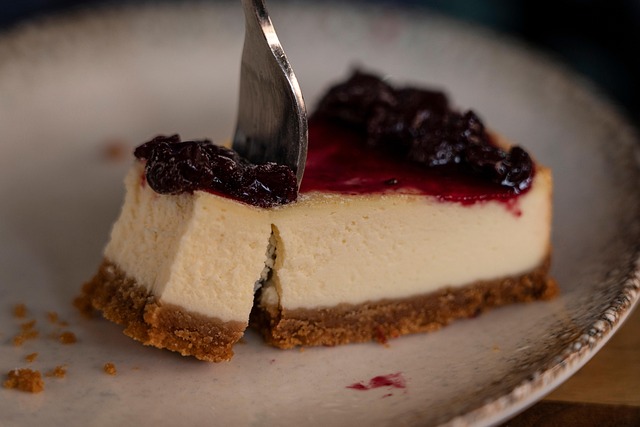
Historical Origins of the Iconic Cheesecake
The Cheesecake Factory began in the 1970s as a small Los Angeles bakery founded by Evelyn Overton, who perfected her cheesecake recipe at home before turning it into a business. When her son David expanded it into a full-service restaurant in Beverly Hills in 1978, the Original Cheesecake immediately became the centerpiece of the menu. It reflected traditional American dessert culture—rich, comforting, and celebratory—at a time when casual dining was becoming mainstream. This combination of homemade authenticity and upscale presentation helped establish the brand’s early reputation.
How the Signature Flavor Became Central to the Brand Identity
From its first restaurant opening, every menu iteration placed the Original Cheesecake as both a dessert and a symbol of quality. It became part of The Cheesecake Factory’s visual language: creamy texture showcased under warm lighting, served with minimal garnish to highlight purity. This visual consistency reinforced its identity far beyond taste—it became an emotional anchor for guests who associated it with reliability and celebration.
The Influence of Traditional American Dessert Culture on Its Creation
The recipe drew inspiration from mid-century American baking traditions emphasizing richness over restraint. Cream cheese-based desserts were common in family gatherings and diners across the country. By elevating that familiar flavor into a refined presentation, The Cheesecake Factory bridged comfort food with aspirational dining—a formula that resonated deeply with postwar American sensibilities.
Evolution of Recipe and Production Over Decades
Over time, maintaining uniform taste across hundreds of locations required both scientific precision and culinary discipline.
Refinement of Ingredients and Baking Techniques for Consistency
The company standardized ingredient sourcing early on to preserve uniform flavor regardless of region. Cream cheese fat content was tightly controlled; even minor variations could alter texture or mouthfeel. Baking temperatures were calibrated to prevent cracking while ensuring even density—a process requiring meticulous timing at scale.
Adjustments Made to Meet Changing Consumer Preferences
As dietary awareness evolved through the 1990s and 2000s, slight recipe modifications improved texture without sacrificing indulgence. Reduced-sugar variants or lighter toppings appeared occasionally but never replaced the Original version. The brand understood that consumers sought nostalgia more than novelty when ordering cheesecake.
Preservation of Core Characteristics That Maintain Authenticity
Despite expansions into dozens of flavors—from Dulce de Leche to Mango Key Lime—the Original remains unchanged in its core formulation: dense yet creamy body with balanced sweetness. That restraint amid innovation preserved authenticity and trust among long-time patrons.
The Science Behind Its Distinctive Taste and Texture
Behind every slice lies deliberate chemistry balancing fats, acids, and proteins to achieve unmistakable smoothness.
Ingredient Composition and Flavor Chemistry
Cream cheese provides structure through milk fat solids; sugar binds moisture while moderating acidity from sour cream. This triad creates what sensory scientists describe as “creamy coherence,” where fat distribution enhances perceived sweetness without overwhelming richness. Consistent sourcing ensures identical taste profiles across all restaurants—a technical feat given global supply variations.
Role of Fat Content and Acidity in Flavor Perception
Fat acts as both flavor carrier and texture stabilizer. High-fat dairy amplifies aroma molecules released during consumption, while slight acidity from sour cream cuts through heaviness, leaving a clean finish on the palate—a key reason diners rarely find it cloying despite its richness.
Impact of Ingredient Sourcing on Taste Consistency Across Locations
Centralized production facilities pre-measure base components shipped frozen to regional kitchens for finishing bakes onsite. This hybrid model balances artisanal freshness with industrial precision—critical for maintaining identical sensory experience whether served in California or Dubai.
Techniques That Define Quality and Mouthfeel
Precision baking transforms basic ingredients into a flawless final product recognized instantly by texture alone.
Temperature Control During Mixing and Baking to Prevent Cracking
Batter temperature must remain cool during mixing; over-warmed cream cheese introduces air pockets leading to surface fractures during baking. Controlled oven humidity further reduces cracking risk while preserving gloss on top crust.
Methods Used to Achieve Uniform Density and Moisture Retention
Slow baking at moderate heat allows proteins to coagulate evenly without curdling fats. Post-bake resting periods stabilize internal moisture gradients so each bite maintains consistent density from edge to center.
Cooling and Setting Processes That Enhance Texture Stability Over Time
Cheesecakes are cooled gradually within ovens before refrigeration—a step preventing condensation that could compromise surface sheen or introduce sogginess during storage or transport.
Cultural and Psychological Dimensions of Its Popularity
Beyond chemistry lies emotion; this cheesecake evokes memories tied to family gatherings, celebrations, or simple comfort after long days.
Emotional Connection with Consumers
For many diners, tasting it recalls moments shared at birthdays or anniversaries—rituals reinforcing emotional attachment through repetition. That nostalgia drives repeat visits more effectively than marketing campaigns ever could.
Association of the Flavor with Comfort, Celebration, and Indulgence
Its richness signals reward; ordering it feels like marking an occasion even when none exists. Psychologists studying food behavior note such associations strengthen loyalty because they intertwine pleasure with familiarity.
How Consistent Sensory Experiences Reinforce Emotional Attachment
Each slice tastes exactly as remembered decades earlier—a rare continuity in modern dining where menus shift constantly. That predictability nurtures trust akin to emotional safety in culinary form.
Brand Positioning and Perceived Authenticity
Consistency alone would not suffice without careful storytelling framing tradition as virtue rather than stagnation.
Marketing Strategies That Emphasize Heritage Over Novelty
Campaigns often highlight “the original recipe since 1978,” positioning longevity as proof of quality rather than resistance to change. In an industry obsessed with trends, stability becomes differentiator.
The Role of Visual Presentation in Reinforcing Brand Recognition
Photographs consistently feature golden crust edges against pure white filling under soft lighting—visual shorthand for authenticity recognizable worldwide without text cues.
Consumer Trust Built Through Product Reliability and Familiarity
By delivering identical sensory outcomes across decades, The Cheesecake Factory cultivates reliability akin to heritage brands like Coca-Cola or Levi’s—products whose constancy defines their value proposition more than innovation does.
Competitive Context in the Dessert Industry
The dessert landscape has evolved dramatically since 1978; yet few competitors rival this cheesecake’s staying power.
Comparison with Emerging Cheesecake Variants
Contemporary bakers experiment with matcha swirls or vegan bases appealing to niche audiences but rarely displace classics at mass scale because novelty lacks emotional depth tied to tradition.
Reasons Why Experimental Flavors Fail to Displace the Classic Choice
Consumers may try new variants once but revert quickly; sensory research suggests habitual preference forms around consistent stimuli reinforced by positive memories—precisely what the Original delivers unfailingly.
Market Segmentation Insights into Enduring Preference Patterns
Older demographics favor nostalgia-driven choices while younger consumers embrace them through social media aesthetics portraying “retro indulgence.” Thus cross-generational appeal sustains sales volume even amid shifting diets.
Influence on Broader Dessert Innovation Trends
Its success reshaped expectations for what restaurant desserts could achieve commercially and creatively.
The Signature Cheesecake as a Benchmark for Quality Within the Industry
Many chains calibrate their own cheesecakes against this benchmark for density-to-moisture ratio or crust integrity—a quiet acknowledgment of its technical superiority within casual dining standards (as noted by food industry analysts).
Its Impact on Menu Development Across Restaurant Chains and Bakeries
Competitors introduced “house-made” cheesecakes mimicking its presentation style: tall slices served chilled rather than baked fresh per order—a format now standard practice nationwide.
Adaptations Inspired by Its Formulation in Global Dessert Markets
International bakeries adapted similar formulas using local cheeses like mascarpone or quark but retained structural cues pioneered by The Cheesecake Factory—dense yet velvety interiors framed by crisp crusts appealing universally across palates from Tokyo to Toronto.
Sustainability of Popularity Across Generations
Longevity depends not only on taste but adaptability within evolving cultural landscapes shaped by technology and health awareness alike.
Maintaining Relevance Through Strategic Adaptation
Integration into delivery apps preserved accessibility during digital transitions without altering product essence; packaging innovations maintained temperature stability ensuring dine-in quality at home deliveries worldwide.
Seasonal Promotions That Highlight Tradition While Engaging New Audiences
Limited editions occasionally pair seasonal fruits atop Original bases reinforcing continuity amid novelty—an approach balancing tradition with discovery appealing especially to younger diners seeking Instagram-worthy visuals alongside authenticity narratives.
Training Protocols Ensuring Recipe Fidelity Across Franchise Operations
Comprehensive staff training programs emphasize precise portioning temperatures mixing speeds—all codified within corporate manuals guaranteeing uniform output regardless of location scale or staff turnover rate ensuring sustained quality perception globally (verified through internal audits).
Predicting Future Longevity in Consumer Markets
Looking ahead, health trends will challenge indulgent desserts yet cultural attachment may offset decline risks if adaptation remains thoughtful rather than reactionary.
Shifts in Dietary Awareness and Their Potential Impact on Classic Desserts
Growing demand for lower-sugar or gluten-free options may pressure reformulation though experts predict core recipes will persist unchanged due to symbolic status outweighing nutritional scrutiny among loyalists seeking occasional indulgence rather than daily consumption patterns reported by market surveys such as Bloomberg Food Index 2023 (Bloomberg).
Opportunities for Innovation Within Tradition—Portion Control, Ingredient Sourcing, or Presentation Updates
Smaller serving sizes paired with premium local dairy sourcing could align sustainability goals without diluting experience; presentation tweaks like mini jars retain heritage aesthetics while addressing modern lifestyles valuing moderation over abundance.
How Cultural Continuity Supports Sustained Demand Despite Evolving Trends
As long as celebrations require tangible symbols of joy shared communally this cheesecake will endure—it transcends diet cycles functioning less as food choice more as ritual artifact embedded within American dining culture itself.
FAQ
Q1: What makes The Cheesecake Factory’s Original Cheesecake unique?
A: Its balance between rich cream cheese base smooth sour cream finish and buttery crust creates unmatched texture consistency recognized globally since 1978.
Q2: Has the recipe changed over time?
A: Only minor adjustments improved production efficiency but core ingredients proportions remain identical preserving authentic flavor profile established decades ago.
Q3: Why do people prefer it over newer flavors?
A: Familiarity breeds loyalty; consumers associate original flavor with celebration comfort reliability making alternatives feel temporary novelties rather than replacements.
Q4: How does The Cheesecake Factory maintain consistency worldwide?
A: Centralized ingredient preparation standardized baking protocols rigorous staff training ensure identical outcomes across all franchise kitchens regardless geography or climate conditions.
Q5: Will health trends threaten its popularity?
A: While dietary shifts influence broader markets emotional attachment cultural symbolism surrounding this cheesecake likely sustain demand albeit perhaps through smaller portions or limited-edition adaptations aligned with wellness preferences.