
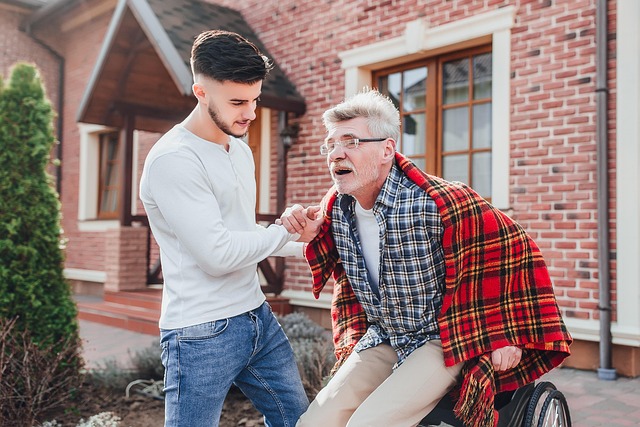
How Does Personal Care for Elderly Shape the Future of In Home Supportive Services in California
In-Home Supportive Services: California’s Personal Caregiving Program for Older Adults and People with Disabilities
California’s In-Home Supportive Services (IHSS) program stands as a cornerstone of community-based care, enabling older adults and individuals with disabilities to live independently in their homes. As demographic trends shift and the state’s population ages, IHSS has evolved into both a social safety net and an economic necessity. The program’s success depends on balancing adequate funding, workforce stability, and technological adaptation while maintaining person-centered care that enhances quality of life. The following analysis explores the structural, demographic, and policy transformations shaping IHSS today.
The Changing Landscape of In-Home Supportive Services in California
California’s home-based care system is undergoing rapid transformation due to demographic changes, fiscal pressures, and emerging technologies. IHSS plays a pivotal role in bridging healthcare delivery and social support for vulnerable populations.
Overview of California’s In-Home Supportive Services (IHSS) Program
The IHSS program provides essential assistance for older adults and individuals with disabilities to live safely at home rather than in institutional settings. It integrates personal care, domestic services, and paramedical support under one administrative umbrella. Funding comes from federal Medicaid allocations, state contributions through the Department of Social Services, and county-level resources that influence local implementation. This multi-tiered financing structure allows flexibility but also creates disparities between counties in terms of wage rates and service accessibility. For instance, Los Angeles County employs over 180,000 caregivers under IHSS contracts, while smaller counties rely heavily on part-time providers.
Demographic Shifts Driving Demand for Personal Care
California’s aging population is expanding faster than national averages. By 2030, one in five Californians will be aged 65 or older. Longer life expectancy coupled with chronic conditions like diabetes or Alzheimer’s increases demand for sustained personal care for elderly residents. At the same time, migration patterns show younger workers leaving high-cost areas, reducing the pool of informal caregivers such as family members. Changing family structures—more single-person households and fewer multigenerational homes—further intensify reliance on formal caregiving programs like IHSS.
The Role of Personal Care in Enhancing Quality of Life for Older Adults
Personal care is more than physical assistance; it forms the emotional backbone of independent living for seniors. Within IHSS, it connects medical support with social engagement.
Defining Personal Care Within the IHSS Framework
Personal care within IHSS covers activities of daily living such as bathing, dressing, grooming, feeding assistance, mobility support, and toileting. It also includes companionship that mitigates loneliness—a critical factor linked to depression among older adults. The California Welfare and Institutions Code defines these tasks under specific time allowances per client based on need assessments conducted by county social workers. Regulatory oversight ensures consistency across counties while allowing flexibility for culturally sensitive care practices.
Impacts on Health Outcomes and Independence
Consistent access to personal care reduces hospital readmissions by addressing early signs of health decline at home. Studies from public health departments show that seniors receiving regular IHSS visits experience fewer emergency room visits compared to those without structured support. Beyond physical outcomes, caregiver-client relationships foster autonomy by empowering recipients to participate actively in daily routines rather than becoming passive dependents. Preventive personal care—such as monitoring nutrition or medication adherence—also lowers long-term healthcare costs by maintaining functional ability well into advanced age.
Workforce Evolution in Elderly Personal Care Services
The caregiving workforce forms the operational core of IHSS but faces mounting challenges tied to recruitment, retention, and professional recognition.
Recruitment and Retention Challenges in the Caregiving Workforce
High turnover remains endemic within home-based caregiving due to low wages relative to cost of living and emotionally demanding work conditions. Many caregivers earn near minimum wage despite performing complex tasks akin to nursing aides. Training programs vary widely across counties; some offer robust certification pathways while others provide minimal orientation sessions. This inconsistency affects quality assurance statewide. Recent policy initiatives aim to professionalize caregiving through standardized education incentives and wage adjustments supported by collective bargaining agreements.
Technology Integration in Personal Care Delivery
Technology is reshaping how personal care services are managed under IHSS. Digital scheduling platforms streamline visit coordination between clients and providers while electronic timesheets improve transparency in payroll processing. Telehealth tools allow remote consultations between clients and healthcare professionals without disrupting home routines. Wearable devices now track vital signs such as heart rate or mobility metrics that caregivers can monitor through mobile dashboards. These data-driven insights help county administrators allocate resources more efficiently across regions experiencing staffing shortages.
Policy Developments Influencing the Future of In-Home Supportive Services
Policy reform determines how sustainable IHSS can remain amid rising costs and shifting demographics.
Legislative Trends Shaping IHSS Expansion
State-level reforms have focused on increasing caregiver wages through incremental budget allocations approved by California’s legislature since 2021. Additionally, federal Medicaid waivers under Section 1115 have granted states flexibility to pilot innovative service models tailored for aging populations living at home rather than institutional facilities. Local governments increasingly explore partnerships with private agencies or nonprofit organizations to expand service capacity where public staffing falls short.
Ethical Considerations in Elderly Personal Care Policy Design
Ethical debates around autonomy versus safety persist within home-care frameworks. Policymakers must weigh individual freedom against protective oversight when designing eligibility assessments or supervision protocols. Equity concerns also arise; lower-income communities often face longer wait times or limited access compared with affluent neighborhoods despite equal medical need. Cultural competence is another priority—care plans must respect linguistic diversity and traditional values among California’s multicultural elderly population to maintain dignity in service delivery.
The Future Outlook: Integrating Personal Care into Holistic Home Support Models
As California prepares for its largest-ever senior population cohort, integration across health systems becomes vital for sustainability.
Moving Toward Person-Centered Care Approaches
The future direction points toward person-centered models emphasizing holistic well-being rather than task completion alone. Interdisciplinary collaboration among nurses, therapists, social workers, and caregivers strengthens continuity across medical and non-medical domains. Personalized plans increasingly incorporate emotional resilience training alongside physical rehabilitation goals so that aging at home remains both safe and fulfilling.
Building Sustainable Systems for California’s Aging Population
Sustainability will hinge on aligning workforce capacity with predictable funding streams from state budgets and federal reimbursements. Innovative training curricula—such as hybrid online modules combined with field mentorship—equip caregivers with adaptive skills suited for evolving client needs including dementia-specific interventions or digital literacy competencies. Public-private collaborations could further enhance infrastructure by pooling data analytics capabilities from technology firms with local government oversight mechanisms.
FAQ
Q1: What services are included under California’s IHSS program?
A: IHSS covers personal care services like bathing assistance, meal preparation, housekeeping tasks, medication reminders, mobility help, accompaniment to appointments, and limited paramedical procedures authorized by physicians.
Q2: How is eligibility determined for receiving personal care through IHSS?
A: County social workers assess applicants’ functional limitations using standardized evaluation tools that measure ability to perform daily activities independently before approving service hours.
Q3: Why is workforce retention difficult within the caregiving sector?
A: Low pay scales relative to workload intensity lead many caregivers to seek alternative employment; emotional burnout also contributes significantly to high turnover rates statewide.
Q4: How does technology improve efficiency in home-based personal care?
A: Digital scheduling systems reduce administrative errors while telehealth integration enables remote medical consultations without disrupting clients’ daily routines at home.
Q5: What future reforms are expected within California’s supportive services framework?
A: Upcoming reforms emphasize expanding caregiver training programs funded through state appropriations alongside initiatives promoting equitable access across diverse socioeconomic communities.