
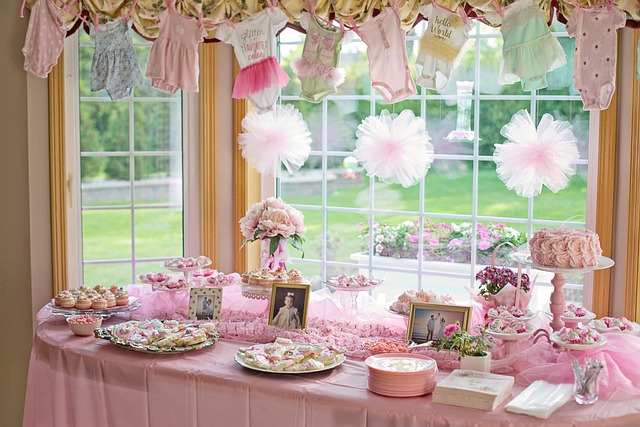
How Can Baby Shower Decorations Reflect Traditional Indian Godh Bharai Elegance
8 Traditional Indian Baby Shower Decoration Ideas For A Beautiful Godh Bharai
The Godh Bharai, India’s traditional baby shower, is not just a social gathering but a spiritual milestone marking the mother’s transition into motherhood. Rooted in ancient customs and regional diversity, it blends symbolism, artistry, and emotion. Today’s celebrations often reinterpret these traditions through modern aesthetics without losing their cultural essence. This article explores eight detailed decoration ideas that merge authenticity with style — from floral installations to lighting concepts — offering inspiration for creating meaningful and visually stunning baby shower decorations that honor heritage while embracing contemporary design sensibilities.
The Cultural Essence of Godh Bharai
Every Indian household celebrates Godh Bharai differently, yet its heart remains constant — blessing the expectant mother and her unborn child. The ceremony reflects centuries of ritual continuity and emotional depth.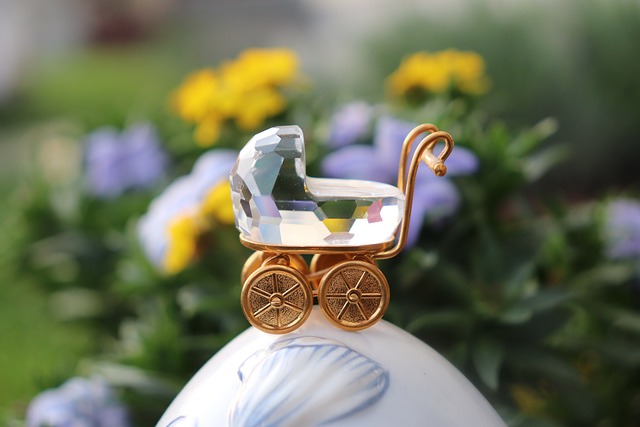
The Significance of Godh Bharai in Indian Tradition
Godh Bharai symbolizes blessings for both the mother and the unborn child. It represents fertility, prosperity, and the sacred transition into motherhood. Across India, variations exist — in Tamil Nadu it’s called Valaikaapu; in Bengal, Shaad; in Maharashtra, Dohale Jevan — yet all share a central theme of joy and protection. Elders bless the mother-to-be with gifts like bangles or sweets that signify abundance and good fortune.
The Role of Decor in Preserving Cultural Authenticity
Traditional décor elements play an essential role in preserving authenticity during this ceremony. They embody spiritual values through symbolic colors such as gold or red and motifs like lotus or mango leaves. Each design choice reinforces cultural identity while influencing the emotional tone of the event. When executed thoughtfully, décor becomes a visual language connecting generations.
Integrating Traditional Themes into Modern Baby Shower Decorations
Modern event planners face the challenge of blending tradition with contemporary aesthetics. The goal is to respect heritage while appealing to current tastes.
Balancing Heritage with Contemporary Design Trends
A successful setup balances ornate traditional motifs with minimalist arrangements. For instance, pairing brass lamps with clean white drapes creates harmony between old-world charm and modern simplicity. Using sustainable materials such as bamboo or recycled fabrics aligns with eco-conscious practices now favored by urban hosts.
Choosing a Color Palette Inspired by Indian Traditions
Color defines mood in any celebration. Gold symbolizes divinity; red embodies vitality; yellow suggests purity; green stands for life. For a softer look, pastel versions like blush pink or mint green can replace brighter tones without losing meaning. Adding metallic accents such as bronze or ivory enhances refinement.
Floral Arrangements Reflecting Regional Diversity
Flowers hold sacred significance across Indian rituals, making them indispensable in Godh Bharai décor.
Incorporating Traditional Indian Flowers in Decoration
Marigolds symbolize purity and positivity; jasmine conveys grace and blessing; lotus arrangements evoke divine energy and serenity. Floral garlands often decorate entrances or altars, creating a fragrant welcome for guests while invoking auspiciousness.
Designing Floral Installations for Visual Harmony
Layering textures through mixed blooms — roses with tuberoses or chrysanthemums — adds richness to visual composition. Symmetrical arrangements mirror balance, an important Vedic principle representing cosmic order. Fragrance selection also matters: subtle scents maintain comfort during extended ceremonies.
Sacred Symbols and Decorative Motifs in Godh Bharai Décor
Symbolism runs deep within Hindu ceremonies; each motif carries layered meaning that shapes both visual appeal and spiritual resonance.
Using Religious Icons as Artistic Inspiration
Motifs of Lord Ganesha symbolize auspicious beginnings; goddess Lakshmi patterns denote prosperity. Kalash (sacred pot) designs represent abundance and life energy when placed near ceremonial areas. Rangoli or mandala art drawn at entrances adds intricate detailing rooted in protective symbolism.
Embellishing Spaces with Handcrafted Art Forms
Handcrafted details elevate authenticity — bandhani drapes from Gujarat or zari-embroidered runners from Varanasi introduce tactile richness. Hand-painted backdrops depicting mythological themes connect modern guests to timeless stories while supporting local artisans who preserve these crafts.
Lighting Concepts That Evoke Spiritual Warmth
Lighting sets the emotional rhythm of any ritual space by shaping how participants perceive sacredness.
The Importance of Illumination in Ceremonial Ambience
Soft light fosters serenity during blessings. Diyas (oil lamps) symbolize purity and divine presence central to Hindu rituals. For evening events, combining diyas with lanterns or string lights bridges traditional symbolism with modern ambiance suitable for photography-friendly settings.
Layering Light for Depth and Elegance in Décor Design
Mixing natural daylight with warm artificial tones creates depth without harsh contrasts. Highlighting focal areas like altars draws attention where prayers occur, while candle clusters around seating zones add intimacy without overpowering other décor elements.
Textile Selections That Define Traditional Grace
Fabrics are more than decorative layers; they narrate stories of craftsmanship passed down through generations.
Choosing Fabrics That Reflect Indian Heritage
Silk exudes luxury; brocade conveys ceremonial grandeur; cotton blends offer comfort during long rituals. Drapery inspired by saree pleats introduces motion into still spaces. Embroidered cushions showcasing Rajasthani mirror work add regional identity to contemporary venues.
Coordinating Fabric Patterns for Cohesive Aesthetics
Combining paisley prints with geometric motifs ensures coherence across different décor zones. Textural contrast between matte linens and glossy silks introduces visual depth while maintaining elegance rooted in tradition.
Table Settings Inspired by Ritualistic Offerings
Even table setups can mirror ritual symbolism when designed thoughtfully around sacred elements.
Designing Centerpieces Around Symbolic Elements
Brass vessels filled with marigolds or grains symbolize abundance; coconuts represent purity; betel leaves denote auspiciousness across Hindu ceremonies. Miniature idols subtly integrated into centerpieces create thematic continuity without overwhelming functionality.
Blending Functionality with Aesthetic Detailing
Elegant tableware complements offerings yet keeps focus on ritual participation. Using banana leaves as eco-friendly bases adds authenticity while supporting sustainability goals increasingly valued at modern events.
Personalized Touches for a Meaningful Celebration
Personalization transforms decoration from aesthetic display into an emotional narrative reflecting family legacy.
Customizing Décor to Reflect Family Traditions
Incorporating heirlooms such as antique jewelry boxes or embroidered dupattas connects generations symbolically present at the event. Displaying ancestral blessings through framed scriptures strengthens continuity between past faiths and present joy.
Creating Keepsake Elements within Decoration Design
Memory walls showcasing family photographs infuse sentimentality into festive spaces. Customized signage featuring Sanskrit mantras combines spirituality with personalization, turning décor into both art form and blessing medium for guests to remember long after celebration ends.
FAQ
Q1: What is the main purpose of Godh Bharai?
A: It celebrates motherhood by blessing the expectant mother and child while symbolizing fertility, prosperity, and protection from negative influences.
Q2: How can traditional baby shower decorations be adapted for modern venues?
A: By merging traditional motifs like lotus patterns or brass accents with minimalist layouts using sustainable materials such as jute or bamboo.
Q3: Which flowers are most suitable for Godh Bharai décor?
A: Marigold, jasmine, rose, tuberose, and lotus are preferred due to their fragrance, color symbolism, and sacred associations across regions.
Q4: What lighting works best for evening ceremonies?
A: A combination of diyas for ritual sanctity with soft lanterns or fairy lights provides warmth without overpowering other decorative elements.
Q5: How can families personalize decorations meaningfully?
A: Through heirloom displays, framed scriptures, customized name boards in Sanskrit fonts, or curated memory walls celebrating lineage alongside new beginnings.