Are Baby Wipes From Target a Hidden Source of Pathogenic Bacteria Risk
Bacteria Found in Target Baby Wipes Could Be Life-Threatening to Infants; Recall Underway
Recent testing has revealed bacterial contamination in certain batches of baby wipes sold under the Target brand, prompting an urgent recall. The discovery of potentially pathogenic organisms poses a serious health risk to infants and immunocompromised users. Experts warn that such contamination likely originates from lapses in manufacturing hygiene or inadequate sterilization protocols. This incident highlights the critical need for robust microbial control measures across the baby wipes industry, as even minor deviations in water quality, packaging integrity, or preservative balance can create conditions favorable for bacterial proliferation.
Microbial Contamination in Consumer Hygiene Products
Baby wipes are designed for delicate skin care but can unintentionally become vehicles for microbial exposure when production standards falter. The intersection between moisture retention and organic residue makes these products particularly vulnerable to bacterial colonization.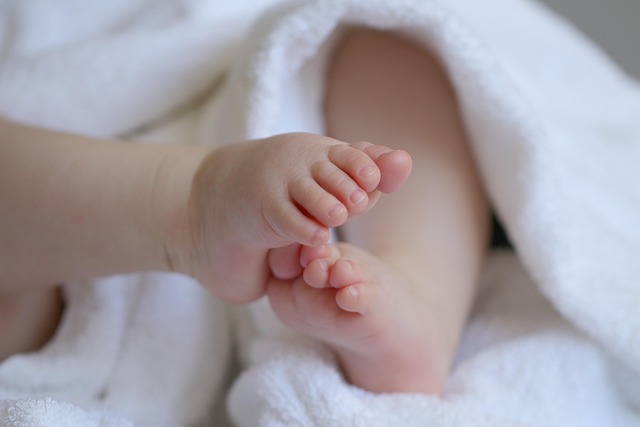
Understanding the Microbiological Risk in Baby Wipes
Baby wipes often contain water, emulsifiers, and mild surfactants that create a moist environment conducive to microbial growth. When manufacturing environments are not adequately controlled, even trace levels of contamination can multiply rapidly within sealed packaging. Pathogenic bacteria introduced during filling or through contaminated raw materials can survive despite preservatives if formulation pH or storage conditions deviate from specification. Consequently, microbial safety depends heavily on sterilization validation and environmental monitoring at every production stage.
Common Pathogenic Bacteria Associated with Contaminated Wipes
Among the species most frequently implicated in contaminated hygiene products are Burkholderia cepacia complex and Pseudomonas aeruginosa. These organisms are known for their ability to survive in aqueous environments and resist many common disinfectants. In infants, exposure may lead to respiratory infections or bloodstream invasion, particularly where skin integrity is compromised. Their multidrug resistance mechanisms complicate treatment and increase clinical severity.
Investigating the Target Baby Wipes Recall
The recall of Target’s baby wipes underscores broader vulnerabilities within consumer hygiene supply chains. Investigations aim to trace contamination sources across raw materials, equipment surfaces, and distribution channels.
Overview of the Reported Contamination Incident
Regulatory agencies initiated the recall after detecting harmful bacteria during routine quality checks. Affected lots were distributed nationwide before contamination was identified, prompting immediate containment actions. Authorities have since mandated microbiological assessments of retained samples and facility audits to pinpoint process failures contributing to bacterial ingress.
Possible Points of Contamination During Production and Distribution
Contamination may occur at multiple junctures within production flow—from raw material sourcing through post-packaging handling—each demanding distinct control strategies.
Raw Material Sourcing
Water used in wipe formulation must meet pharmaceutical-grade purity standards; however, untreated or poorly filtered water can harbor opportunistic pathogens like Pseudomonas. Similarly, plant-based fibers used as wipe substrates may carry environmental microbes if not properly sanitized before blending with lotion bases.
Manufacturing Environment Control
Filling lines, storage tanks, and mixing vessels represent major contamination hotspots when cleaning validation is inconsistent. Biofilm formation within piping systems can protect bacteria from sanitizers, allowing reintroduction into finished products. Airborne particulates in inadequately filtered cleanrooms further compromise sterility assurance levels.
Post-production Handling and Storage Conditions
Even after sealing, improper storage—such as high humidity or fluctuating temperatures—can degrade preservative efficacy. Transportation delays or exposure to warm environments promote microbial regrowth inside sealed packs if biocidal concentrations decline below inhibitory thresholds.
Health Implications for Infants and Vulnerable Populations
The health risks posed by contaminated baby wipes extend beyond superficial irritation. Infants’ developing immune systems render them especially susceptible to opportunistic pathogens capable of breaching compromised skin barriers.
Pathophysiology of Infection from Contaminated Wipes
When contaminated wipes contact microabrasions on infant skin, bacteria gain entry into deeper tissue layers. From there, they may disseminate via lymphatic pathways or mucosal transfer during diaper changes. Once systemic circulation is reached, infections can escalate rapidly due to limited innate immune defense in neonates.
Clinical Manifestations Linked to Pathogenic Exposure
Initial signs often mimic benign dermatitis—redness, itching, or localized rash—but progression may involve abscess formation or cellulitis. In severe cases involving Burkholderia species, bacteremia or pneumonia may develop. Diagnostic confirmation typically requires culture testing that can delay targeted therapy by several days.
Regulatory Oversight and Quality Assurance Measures
Global regulatory frameworks set microbiological limits for nonsterile personal care products while mandating preventive controls aligned with Good Manufacturing Practices (GMP). Yet enforcement consistency varies among jurisdictions.
Current Standards Governing Baby Wipe Safety
The U.S. Food and Drug Administration (FDA) classifies baby wipes as cosmetic products subject to microbial limit tests defined under USP