
Are Certain Vegetables Truly Superior for Protecting Heart Health
Not All Fruits and Vegetables Are Equal When It Comes to Heart Health
Vegetables are universally praised for supporting heart health, yet not all types deliver equal benefits. Leafy greens and cruciferous vegetables consistently show stronger cardioprotective effects compared with starchy or sugary roots. Their nutrient density, fiber composition, and bioactive compounds such as nitrates and polyphenols directly influence vascular function. Evidence from clinical studies indicates that diets emphasizing diverse vegetable intake—especially those rich in antioxidants and nitrates—are associated with lower risks of atherosclerosis, hypertension, and endothelial dysfunction.
The Relationship Between Vegetable Consumption and Cardiovascular Health?
Vegetable consumption affects cardiovascular outcomes through multiple biochemical pathways. The protective mechanisms depend on the concentration and bioavailability of plant-derived compounds that modulate vascular tone, lipid metabolism, and oxidative balance.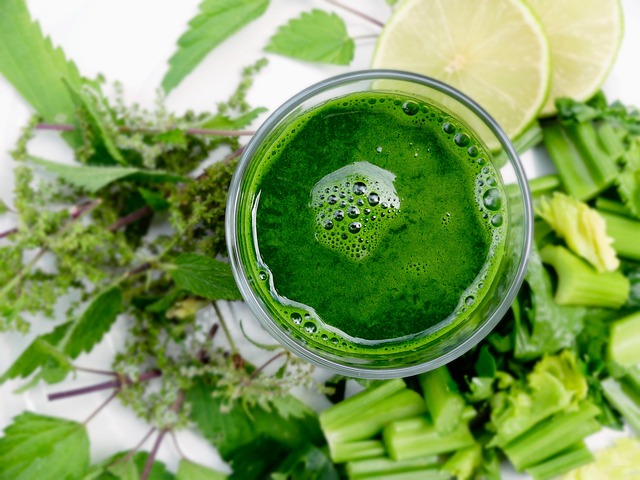
Exploring the Nutritional Foundations of Heart Protection
Phytochemicals, fiber, and antioxidants found in vegetables interact with vascular cells to maintain elasticity and reduce inflammation. Nutrient density differs between categories—leafy greens often provide higher levels of nitrates and magnesium than root vegetables. The physiological impact depends on compound absorption; for instance, dietary nitrates from spinach convert into nitric oxide that relaxes blood vessels. Polyphenols in peppers or eggplants may also enhance endothelial signaling when consumed with healthy fats.
Mechanisms Linking Vegetables to Cardiovascular Function
Dietary nitrates from greens like arugula increase nitric oxide production, improving endothelial function and lowering blood pressure. Antioxidants neutralize reactive oxygen species that otherwise promote atherosclerotic plaque formation. Fiber assists in regulating cholesterol by binding bile acids in the gut while moderating post-meal glucose spikes. Together these effects create a biochemical environment less prone to vascular injury or lipid oxidation.
Comparative Analysis of Vegetable Groups and Their Cardioprotective Properties?
Different vegetable groups exhibit distinct cardioprotective profiles due to their unique nutrient compositions. Examining these groups clarifies why some vegetables are more effective at preventing cardiovascular disease than others.
Leafy Greens and Their Vascular Benefits
Spinach, kale, and arugula contain abundant nitrates that enhance blood flow through vasodilation. Magnesium supports muscle relaxation within arterial walls while potassium balances sodium levels to stabilize blood pressure. Clinical observations suggest regular intake reduces arterial stiffness over time, contributing to improved heart performance even among older adults.
Cruciferous Vegetables and Inflammation Modulation
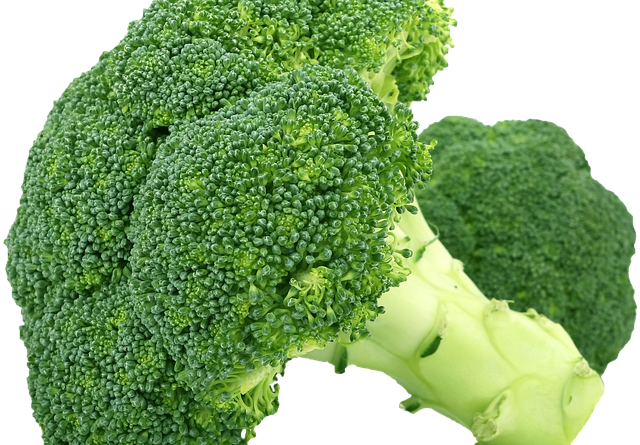
Broccoli, Brussels sprouts, and cabbage carry glucosinolates that transform into isothiocyanates during digestion. These compounds activate detoxification enzymes that reduce inflammatory signaling linked to coronary artery disease. Sulforaphane in broccoli influences gene expression related to oxidative defense systems such as Nrf2 pathways. Epidemiological data consistently reveal inverse associations between cruciferous vegetable intake and cardiovascular mortality.
Root Vegetables and Glycemic Balance
Beets deliver dietary nitrates beneficial for circulation but also natural sugars requiring metabolic consideration for individuals with insulin resistance. Carrots supply carotenoids like beta-carotene that guard lipids against oxidative damage within arterial walls. Sweet potatoes provide potassium crucial for maintaining cardiac rhythm stability while contributing moderate fiber for glycemic control.
Evaluating Nutrient Synergy and Bioactive Interactions in Diets Rich in Vegetables?
Cardiovascular protection rarely stems from single nutrients; it arises from complex interactions among compounds within whole foods. Preparation methods further influence these interactions by altering nutrient availability.
The Role of Food Matrix and Preparation Methods
Cooking changes the food matrix affecting how nutrients are released or degraded. Steaming retains most antioxidants compared with boiling which can leach minerals into water. Fat-soluble carotenoids from carrots or peppers require small amounts of oil for optimal absorption during meals. Overprocessing or prolonged heating may destroy polyphenols vital for endothelial protection.
Synergistic Effects of Combined Vegetable Intake
Combining various vegetables expands phytochemical diversity acting across multiple metabolic pathways simultaneously. Flavonoids from onions can enhance nitrate-derived nitric oxide bioavailability when consumed together with leafy greens. This synergy amplifies vascular benefits beyond what isolated nutrients achieve alone. Balanced variety avoids redundancy while maximizing protective outcomes across antioxidant networks.
Integrating Evidence into Dietary Recommendations for Heart Health Experts?
Applying research findings into clinical nutrition practice requires translating biochemical insights into practical dietary strategies that patients can follow daily without complexity.
Translating Research into Practical Dietary Guidance
Experts recommend emphasizing leafy greens and cruciferous vegetables due to their superior nitrate content and anti-inflammatory potential. Individual metabolic profiles should guide advice regarding starchy roots like beets or sweet potatoes especially for those managing glucose levels. Whole-food approaches consistently outperform isolated supplements because they preserve natural compound interactions essential for sustained benefit.
Addressing Misconceptions About “Superior” Vegetables
No single vegetable guarantees heart protection on its own; overall diet composition determines outcomes. Overemphasis on one type may overlook micronutrient gaps or fiber diversity needed for optimal cardiovascular resilience. Evidence supports dietary variety—mixing colors, textures, and plant families—as a more reliable predictor of long-term heart health than focusing solely on any “superfood.”
FAQ
Q1: Which vegetables are most effective for lowering blood pressure?
A: Leafy greens such as spinach, kale, and arugula provide dietary nitrates that help dilate blood vessels, reducing blood pressure naturally.
Q2: Can cooking destroy heart-protective nutrients?
A: Yes, prolonged boiling can reduce vitamin C and polyphenol content; steaming is generally preferred to preserve antioxidants.
Q3: Are root vegetables less healthy due to their sugar content?
A: Not necessarily; while some roots like beets contain natural sugars, they also supply nitrates, fiber, and potassium beneficial for cardiovascular function.
Q4: How much vegetable intake supports optimal heart health?
A: Most research suggests consuming at least five servings per day with emphasis on dark leafy greens and cruciferous types offers measurable benefits.
Q5: Does variety matter more than quantity?
A: Both matter; however, variety ensures broader nutrient coverage across phytochemicals which enhances overall cardioprotective effects beyond volume alone.