
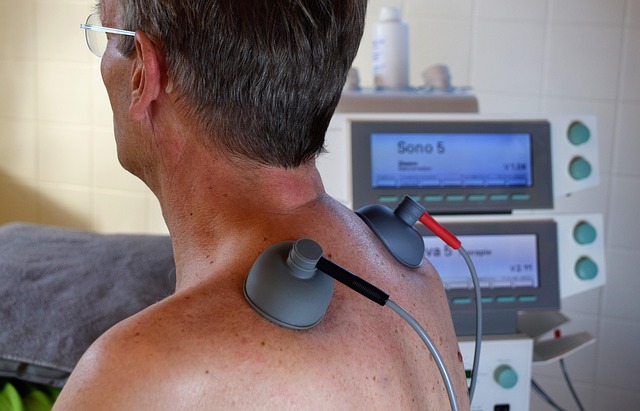
Is Back Pain Really Curable What Do Experts Recommend That Works
I Tried Everything for My Back Pain. Here’s What Experts Say Actually Works
Back pain remains one of the most persistent and misunderstood conditions in modern medicine. Despite countless treatments, many individuals find only temporary relief. Experts now agree that sustainable improvement comes from a multifaceted approach—combining movement, psychology, and lifestyle modification rather than relying on passive or quick-fix methods. Evidence shows that active recovery, consistent exercise, and multidisciplinary care yield the most durable outcomes for chronic back pain sufferers.
The Complex Nature of Back Pain
Back pain rarely stems from a single source. Its causes often overlap across physical, neurological, and even psychological domains, making diagnosis and treatment challenging.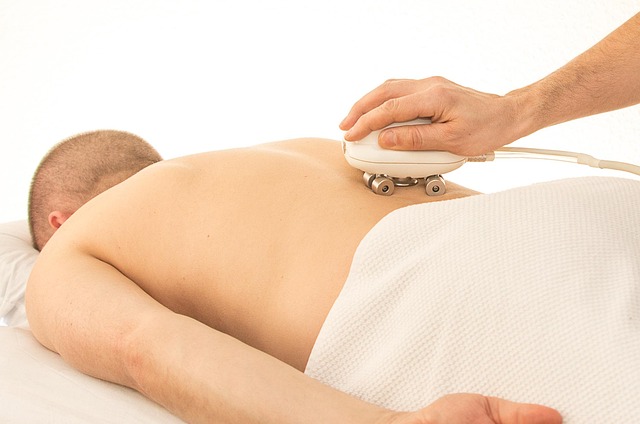
The Multifactorial Causes of Back Pain
Mechanical strain remains a leading contributor to back discomfort. Poor posture during prolonged sitting or repetitive lifting can create muscular imbalances that stress spinal structures. Degenerative disc disease, age-related wear of vertebral joints, and inflammatory processes also play key roles in persistent pain syndromes. Researchers increasingly emphasize central sensitization—the brain’s heightened response to pain signals—as a major factor in chronic cases. This explains why some patients experience severe pain even after tissue healing has occurred.
Differentiating Acute vs. Chronic Back Pain
Acute back pain usually follows an identifiable injury or strain and tends to resolve within six weeks as tissues heal naturally. Chronic back pain persists beyond three months and often involves altered neural pathways that amplify pain perception. Recognizing when acute pain transitions into chronic status is critical because early intervention can prevent long-term disability. Clinicians use this distinction to tailor therapy intensity and duration.
Evidence-Based Approaches That Show Measurable Results
Effective management requires evidence-backed strategies that address both physical dysfunction and behavioral adaptation.
Physical Therapy and Movement-Based Interventions
Targeted exercise programs remain the cornerstone of rehabilitation. Core stabilization training enhances spinal support while improving endurance in deep trunk muscles such as the multifidus and transversus abdominis. Manual therapy techniques—like joint mobilization or soft tissue release—help restore range of motion and reduce localized stiffness. Progressive load management gradually reintroduces functional movements, preventing recurrence by retraining coordination between muscle groups.
Pharmacological Treatments and Their Limitations
Nonsteroidal anti-inflammatory drugs (NSAIDs) are frequently prescribed for short-term relief but should be used cautiously due to potential gastrointestinal bleeding or cardiovascular complications with extended use. Muscle relaxants may ease acute spasms but show limited benefit for chronic symptoms once neural adaptation occurs. Opioids are generally discouraged; dependency risk outweighs their modest long-term efficacy in non-cancer-related back pain.
The Role of Interventional Procedures
Interventional techniques can help select patients when conservative care fails. Epidural steroid injections may provide temporary relief for radicular symptoms caused by nerve compression but rarely offer lasting benefit beyond several months. Radiofrequency ablation targets facet joint nerves responsible for localized axial pain, achieving moderate success rates in controlled trials. Regenerative therapies like platelet-rich plasma (PRP) injections are under clinical evaluation for discogenic sources of pain, though evidence remains preliminary.
The Importance of a Multidisciplinary Treatment Framework
No single therapy addresses all aspects of chronic back pain; integrating physical rehabilitation with psychological support yields better outcomes across studies.
Integrating Physical, Psychological, and Lifestyle Components
Cognitive-behavioral therapy (CBT) helps patients challenge catastrophic thoughts about movement or injury risk, reducing fear-avoidance behaviors that perpetuate disability. Mindfulness-based stress reduction lowers perceived pain intensity by improving emotional regulation during flare-ups. Complementary lifestyle adjustments—balanced nutrition rich in anti-inflammatory foods, consistent sleep routines, ergonomic workstation setups—support spinal health over time.
Collaborative Care Models in Managing Chronic Back Pain
Collaborative models combine expertise from physiotherapists, physicians, psychologists, and occupational therapists under shared treatment plans. Regular reassessment ensures interventions remain aligned with patient progress rather than static protocols. Education plays a pivotal role: informed patients engage more actively in self-management strategies such as pacing activities or maintaining home exercise regimens instead of relying solely on passive modalities like massage or heat therapy.
Expert Insights on What Actually Works Long-Term
Specialists consistently highlight one theme: sustained improvement depends on active participation rather than passive dependency on medical procedures.
Emphasizing Active Recovery Over Passive Treatments
Extended bed rest once prescribed for acute back injuries is now discouraged; inactivity weakens stabilizing muscles and delays recovery. Gentle movement within tolerance levels promotes circulation and prevents stiffness buildup around healing tissues. Gradual reconditioning through resistance training or low-impact aerobic activity enhances resilience against future episodes by strengthening supportive musculature around the spine.
The Role of Patient Engagement in Recovery Success
Patient motivation directly influences outcomes more than any single intervention type. Studies show that individuals who adhere to prescribed exercises report better function scores than those who rely solely on medication or manual therapy sessions. Tailored programs based on personal goals—whether returning to sport or maintaining work capability—foster accountability and long-term adherence.
Emerging Research Directions in Back Pain Management
Ongoing research continues to refine diagnostic precision while exploring novel therapeutic frontiers aimed at individualizing care pathways.
Innovations in Diagnostic Imaging and Biomarkers
Advanced imaging techniques now allow clinicians to differentiate nociceptive from neuropathic contributors by mapping nerve activity patterns rather than focusing solely on structural abnormalities visible through MRI scans. Biomarker studies seek molecular indicators predicting which patients are likely to develop chronicity after initial injury—potentially transforming early intervention strategies within the next decade.
Future Therapeutic Trends to Watch
Neuromodulation technologies such as spinal cord stimulation demonstrate promise for refractory cases unresponsive to conventional therapy by modulating neural circuits involved in persistent pain signaling. Artificial intelligence-driven predictive models are being developed to analyze large datasets from wearable sensors and clinical records, offering personalized treatment recommendations based on individual biomechanics, psychosocial factors, and genetic predispositions.
FAQ
Q1: What is the most effective first-line treatment for back pain?
A: Exercise-based physical therapy combined with patient education typically provides the best initial results for both acute and chronic cases.
Q2: Are imaging tests always necessary for diagnosing back pain?
A: Not always; unless red-flag symptoms like neurological deficits appear, most guidelines recommend conservative management before advanced imaging.
Q3: Can diet influence chronic back pain?
A: Yes, diets rich in anti-inflammatory nutrients such as omega-3 fatty acids may reduce systemic inflammation contributing to persistent discomfort.
Q4: How long should someone rest after an acute episode?
A: Short rest periods up to 48 hours may help initially, but early return to gentle movement accelerates recovery compared with prolonged inactivity.
Q5: Do psychological factors really affect physical back pain?
A: Absolutely; stress, anxiety, and negative beliefs about movement can amplify perceived intensity through central sensitization mechanisms recognized in current research.