

Is Trash Krusher the Smart Choice for Modern Waste Management Experts
Why You Should Really Consider Getting a Trash Compactor
Waste management has shifted from simple disposal to a science of efficiency and sustainability. For experts evaluating modern waste solutions, trash compactors stand out as a critical tool for reducing volume, cutting transportation costs, and improving environmental performance. Among these, the Trash Krusher represents a practical evolution—combining ergonomic design with mechanical strength to make waste reduction more efficient in both residential and commercial settings.
Understanding the Role of Trash Compactors in Modern Waste Management?
The global waste challenge continues to grow with urbanization and industrial expansion. To meet sustainability targets, waste management systems now emphasize volume reduction and resource recovery rather than mere collection.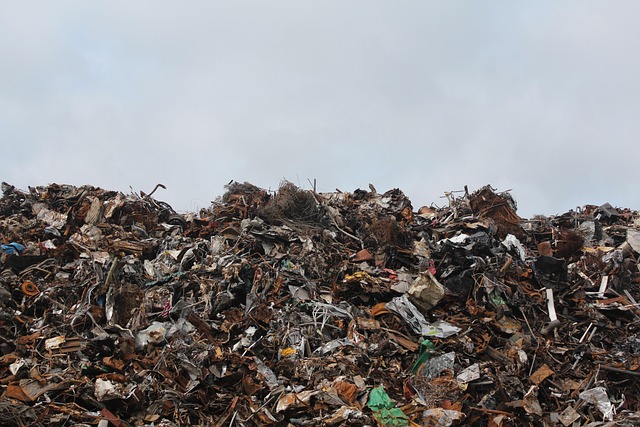
The Evolution of Waste Management Practices
Over the past few decades, waste handling has transitioned from open dumping to structured recycling and compaction systems. Compactors have become integral because they reduce the physical space that waste occupies, allowing for fewer pickups and lower fuel consumption. Municipal programs increasingly rely on compactors to align with circular economy principles where material recovery is prioritized over disposal. Smart technology integration—like sensors that monitor fill levels or AI-based route optimization—has further improved operational efficiency across facilities.
The Functionality and Mechanics Behind Trash Compactors
A trash compactor works by compressing waste using hydraulic or mechanical pressure, achieving compression ratios typically between 3:1 and 6:1 depending on material type. Residential units are usually smaller with manual or semi-automatic operation, while industrial models feature higher force ratings for dense materials such as cardboard or metal packaging. Safety mechanisms like interlock switches prevent operation when doors are open, and maintenance routines often include checking hydraulic seals and motor bearings to sustain performance over time.
Evaluating Trash Krusher as a Modern Waste Compaction Solution
Trash Krusher offers an updated approach to traditional compactors by combining user-friendly operation with durable construction. Its design reflects both consumer convenience and professional-grade reliability.
Design and Structural Features of Trash Krusher
Unlike standard compactors that rely solely on vertical compression plates, the Trash Krusher integrates a reinforced lid press mechanism that allows users to manually apply pressure safely without electrical components. The body is made from corrosion-resistant stainless steel, ensuring long service life even in humid environments like kitchens or cafeterias. Its ergonomic design reduces strain during use, which makes it suitable for both domestic users and facility managers handling mixed waste streams.
Technological Innovations Integrated into Trash Krusher
While primarily manual in nature, the Trash Krusher incorporates subtle engineering refinements such as balanced leverage arms that maximize compaction force with minimal effort. Its energy footprint is negligible compared to powered compactors since it operates without motors or hydraulics. This simplicity translates into lower maintenance needs while still achieving significant volume reduction. For organizations exploring smart infrastructure upgrades, the unit’s modular build allows potential integration with sensor-based monitoring systems for tracking bin fill levels.
Performance Metrics and Efficiency Analysis
Evaluating compactor performance involves more than just volume reduction—it includes reliability, cost savings, and environmental outcomes over time.
Measuring Compaction Efficiency and Volume Reduction
Trash Krusher achieves up to three times more capacity per bag compared to non-compacted waste bins. This means fewer bag changes and reduced hauling frequency. In commercial operations where pickup costs can exceed several hundred dollars monthly, this efficiency directly lowers operational expenses. Compared against standard compaction benchmarks used in facility management studies (typically around 2:1), its performance stands above average for manual units.
Operational Reliability and Maintenance Requirements
Because it lacks complex moving parts or hydraulic circuits, component wear is minimal even under continuous use. Routine cleaning of internal surfaces prevents odor buildup—a common issue in enclosed compaction systems. Replacement costs are limited mostly to liners or minor fittings rather than motors or pumps found in electric models. Over several years of operation, this translates into measurable savings on spare parts and downtime.
Environmental and Economic Implications for Waste Management Experts
Compactors like Trash Krusher play a clear role in advancing sustainable goals by reducing landfill dependence while improving logistics efficiency.
Contribution to Sustainable Waste Reduction Goals
By compressing waste at the source, less air space is transported per load—cutting fuel use during collection routes by measurable margins reported in municipal fleet data worldwide. Reduced bag usage also means lower plastic consumption across facilities pursuing ISO 14001 environmental certification standards. For businesses subject to carbon accounting frameworks such as those defined by the Greenhouse Gas Protocol, these small operational shifts contribute meaningfully toward Scope 3 emission reductions.
Cost-Benefit Analysis from an Expert Perspective
Initial acquisition costs for manual compactors are modest compared with automated systems but yield similar long-term benefits through reduced hauling frequency and labor savings. Over a five-year lifecycle analysis typical in facilities budgeting models, cumulative savings often surpass purchase cost multiples due to decreased service intervals and extended equipment lifespan relative to powered alternatives.
Strategic Considerations for Implementation in Professional Settings
Adopting a compactor system requires aligning equipment capabilities with specific waste characteristics and facility workflows.
Assessing Suitability Across Different Waste Streams
Trash Krusher performs best with dry mixed materials such as paper packaging or lightweight plastics but can handle moderate organic content when used with sealed liners. Industrial kitchens may benefit from pairing it with separate wet-waste containers to maintain hygiene standards set by local health authorities. Institutions like hospitals or universities can deploy multiple units across departments where decentralized collection improves staff efficiency.
Integrating Trash Krusher into Existing Waste Management Systems
Before installation, facility planners should evaluate bin placement relative to existing collection routes to avoid workflow disruption. Training staff on safe operation takes minimal time due to its straightforward mechanics but remains essential for consistent results. Performance tracking through simple metrics like bag-change frequency provides actionable data for refining collection schedules or evaluating ROI after deployment periods of three to six months.
Future Outlook on Smart Waste Compaction Technologies?
As urban centers embrace digital transformation strategies under smart city frameworks, next-generation compactors are evolving rapidly toward automation and connectivity.
Emerging Trends Influencing the Next Generation of Compactors
Sensor arrays capable of detecting fill levels in real time now feed data into centralized dashboards used by municipal operators for predictive scheduling. Artificial intelligence algorithms analyze usage patterns across sites to forecast maintenance needs before failures occur—a concept already piloted under European Commission-funded urban innovation programs aligned with circular economy directives.
Positioning Trash Krusher Within the Evolving Market Landscape
While not fully automated today, Trash Krusher’s mechanical simplicity positions it as an accessible entry point within this evolving segment—offering scalability without dependence on complex electronics prone to failure in harsh environments. As user expectations shift toward hybrid solutions combining manual reliability with digital oversight, products following this design philosophy will likely dominate mid-market adoption scenarios across commercial sectors seeking balance between cost control and sustainability outcomes.
FAQ
Q1: How much space does a trash compactor save?
A: Typically between two-thirds and three-quarters of original volume depending on material type; denser items achieve higher compression ratios.
Q2: Is Trash Krusher suitable for food waste?
A: It can handle limited food content when lined properly but performs best with dry recyclables or general household refuse.
Q3: How often should maintenance be performed?
A: Regular cleaning after each full cycle is sufficient; no hydraulic servicing is required unlike powered units.
Q4: Does using a compactor reduce carbon emissions?
A: Yes—by lowering transport frequency and plastic liner usage it contributes directly to emission reductions within logistics chains.
Q5: What factors determine ROI for professional installations?
A: Key variables include local hauling fees, waste density profiles, equipment cost amortization period, and labor allocation efficiencies achieved post-installation.