
What Makes an Italian Restaurant a Century-Old Culinary Landmark in the US
10 Of The Oldest Italian Restaurants In The US
Italian restaurants in the United States are more than dining venues; they are living archives of immigration, adaptation, and culinary endurance. Many of the oldest establishments—some surpassing a century—embody the evolution of Italian-American identity through food. These restaurants have survived wars, economic downturns, and changing tastes by preserving family recipes while embracing subtle modernization. Their longevity reflects not just business acumen but a cultural mission: to safeguard tradition in a constantly shifting American landscape.
The Historical Roots of Italian Cuisine in America
Italian cuisine’s journey in America began with migration and adaptation. Early immigrants brought their regional flavors, which evolved into a distinctive Italian-American culinary identity that remains central to many historic eateries today.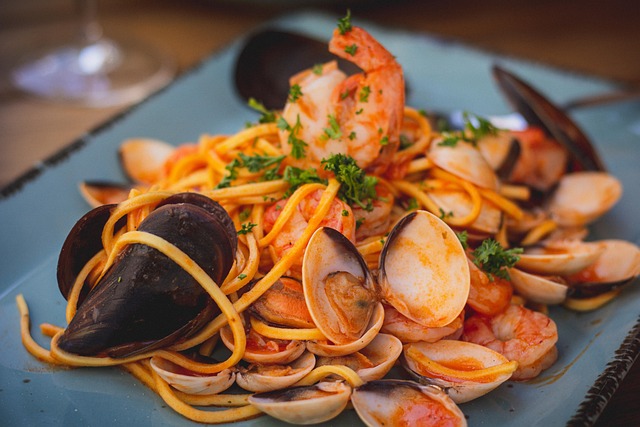
Early Waves of Italian Immigration and Culinary Influence
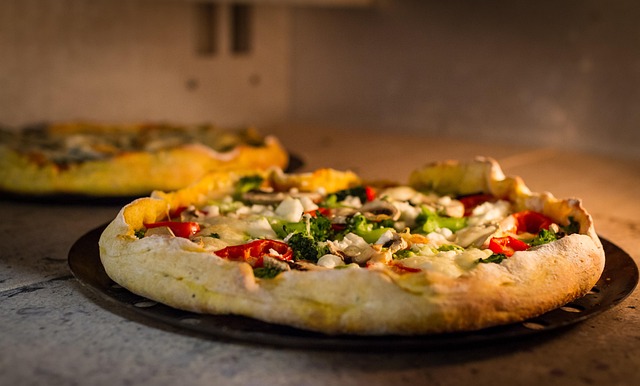
The first major wave of Italian immigrants arrived between the late 19th and early 20th centuries, primarily from southern regions like Sicily, Naples, and Calabria. They introduced local specialties such as pasta alla Norma, Neapolitan pizza, and seafood stews. Facing new ingredients and economic constraints, they adapted recipes using American produce—creating dishes like spaghetti with meatballs or chicken parmigiana that became staples of the Italian restaurant scene. Family-run eateries served as both social centers and informal job networks for new arrivals.
The Birth of the Italian Restaurant Tradition in the US
By the early 1900s, cities such as New York, Boston, and San Francisco saw their first dedicated Italian restaurants. Menus balanced authenticity with accessibility; traditional pastas appeared beside Americanized versions designed to appeal to broader audiences. These establishments symbolized entrepreneurial resilience within immigrant neighborhoods and soon attracted clientele beyond their ethnic communities. Their success laid the foundation for an enduring restaurant culture that blended heritage with innovation.
Defining Characteristics of Century-Old Italian Restaurants
Centenarian Italian restaurants share recognizable traits: family ownership across generations, architectural preservation, and carefully curated menus that evolve without abandoning their roots.
Family Legacy and Multi-Generational Ownership
Many century-old establishments remain under family stewardship. Generations inherit not only ownership but also culinary philosophy—recipes are guarded like heirlooms. This continuity fosters patron trust; diners often feel part of an extended family tradition when they return year after year. Multi-generational management also ensures that values such as hospitality and consistency remain intact despite changing market conditions.
Architectural and Interior Heritage Preservation
Architecture plays a vital role in maintaining authenticity. Original woodwork, tin ceilings, mosaic floors, or vintage neon signage often remain untouched since opening day. Such preservation offers guests a sensory connection to history—the same tables where early immigrants celebrated milestones still host modern diners today. Beyond nostalgia, these interiors contribute to local heritage tourism by anchoring neighborhoods in tangible history.
Menu Evolution While Preserving Tradition
Menus at these institutions walk a fine line between constancy and change. Core dishes—lasagna al forno, risotto Milanese, linguine alle vongole—rarely leave the menu. Seasonal updates may introduce lighter fare or regional wines reflecting contemporary preferences while staying faithful to classical preparation methods. Signature recipes often become synonymous with the restaurant’s identity; some even influence regional food trends far beyond their original city.
The Role of Community and Cultural Identity
Historic Italian restaurants function as cultural anchors within their neighborhoods. They represent continuity amid urban transformation and act as custodians of collective memory through cuisine.
Neighborhood Integration and Cultural Anchoring
These restaurants often occupy the same street corners for decades, witnessing demographic shifts yet retaining loyal followings across generations. They host community events—from feast day celebrations to charity dinners—that reinforce neighborhood cohesion. Partnerships with local markets or wineries sustain authentic supply chains reminiscent of old-country practices while supporting local economies.
Culinary Education Through Continuity
Beyond serving meals, these establishments educate through example. Chefs trained within these kitchens absorb time-tested techniques like slow-simmered sauces or handmade pasta rolling passed down orally rather than written down. This apprenticeship model preserves intangible cultural knowledge that textbooks cannot replicate, ensuring authenticity persists even as new chefs take over.
Geographic Distribution of Historic Italian Restaurants in the US
The geography of century-old Italian dining mirrors patterns of immigration: coastal entry points first, followed by inland expansion shaped by regional adaptation.
East Coast Pioneers: New York, Boston, and Philadelphia
The East Coast remains home to many pioneering Italian restaurants established before World War I. Proximity to ports allowed access to imported essentials like olive oil and Chianti long before domestic supply chains matured. Neighborhoods such as Manhattan’s Little Italy or Boston’s North End still feature institutions founded by early settlers whose descendants continue operations today.
Midwest Adaptations: Chicago and St. Louis Traditions
As Italians moved inland seeking industrial jobs, they brought their cuisine westward. Midwestern versions incorporated local ingredients—Midwest tomatoes replaced San Marzano varieties; dairy-rich states influenced creamier sauces or cheese-heavy dishes. Some family businesses diversified into catering or specialty food production during economic downturns yet preserved restaurant operations as their flagship identity.
West Coast Influences: San Francisco’s North Beach Legacy
California’s early Italians settled around San Francisco’s North Beach district where seafood dominated menus due to coastal proximity. Access to fresh produce encouraged lighter preparations echoing Mediterranean sensibilities—grilled fish drizzled with lemon oil rather than heavy sauces typical back east. These West Coast pioneers helped redefine “authentic” through ingredient-driven simplicity rather than strict adherence to old recipes.
Longevity Factors in Century-Old Italian Restaurants
Sustaining a restaurant for over a hundred years requires balancing authenticity with adaptability while maintaining unwavering quality standards across generations.
Balancing Authenticity with Adaptation Over Time
Successful longevity lies in subtle evolution rather than radical reinvention. Owners maintain recognizable flavor profiles yet integrate modern dining trends like farm-to-table sourcing or curated wine pairings without compromising tradition. This equilibrium keeps both nostalgic patrons and younger diners engaged—a delicate feat few achieve consistently.
Reputation Management Through Consistency and Quality Control
Consistency is paramount for heritage brands; one poorly executed meal can tarnish decades of reputation built on reliability. Ingredient sourcing remains meticulous—many insist on specific flour types for pasta or imported olive oils despite higher costs—to preserve flavor integrity that regulars expect year after year.
The Role of Leadership Vision in Sustaining Heritage Brands
Leadership transitions mark pivotal moments for centenarian restaurants. Successors must respect legacy values while steering modernization efforts such as digital presence upgrades or menu redesigns aligned with brand heritage rather than fleeting trends. Visionary stewardship transforms continuity into relevance across eras without eroding authenticity.
The Enduring Legacy of America’s Oldest Italian Restaurants
Century-old Italian restaurants embody more than culinary excellence—they narrate immigrant perseverance through food traditions that have become inseparable from American dining culture itself.
Cultural Significance Beyond Cuisine
These institutions operate as living museums preserving immigrant narratives through taste memory rather than exhibits behind glass cases. Their endurance symbolizes resilience amid assimilation pressures while fostering intergenerational pride within diaspora communities who see their history reflected on every plate served daily.
Contribution to American Culinary Heritage
Through steady presence and adaptation across decades, these restaurants helped define what Americans perceive as “Italian food.” Their influence extends into fine dining innovations, hospitality education programs emphasizing service ethics rooted in familial warmth, and gastronomy research exploring transnational identity expressed through cuisine—all legacies still shaping American palates today.
FAQ
Q1: What makes an italian restaurant considered century-old?
A: It refers to establishments operating continuously for at least 100 years under consistent ownership lineage or preserved brand identity reflecting original culinary traditions.
Q2: How do these historic italian restaurants maintain authenticity?
A: They rely on original recipes passed through generations while sourcing traditional ingredients whenever possible despite rising costs or availability challenges.
Q3: Which city has the highest concentration of old italian restaurants?
A: New York City leads historically due to its large early immigrant population followed closely by Boston and San Francisco known for enduring family-run trattorias.
Q4: Why do some menus rarely change over decades?
A: Signature dishes form emotional connections with patrons; altering them risks losing identity built on consistent flavor memories spanning generations.
Q5: Are century-old italian restaurants still relevant today?
A: Yes—they blend timeless hospitality with selective modernization appealing equally to heritage-seeking locals and global culinary tourists valuing authentic experiences rooted in history.