
How Do Fish and Chips Inspire a Cleethorpes Artist’s Creative Vision
Tour of Fish and Chip Shops Gives Cleethorpes Artist Food for Thought
Fish and chips are more than a meal in Cleethorpes—they are a cultural emblem that bridges history, community, and creativity. This article explores how the town’s artist transforms everyday culinary rituals into visual art. By tracing the historical roots of fish and chips, examining their role in social life, and analyzing how these traditions inspire artistic expression, it becomes clear that food can serve as both a cultural archive and a creative catalyst.
The Cultural Significance of Fish and Chips in Cleethorpes
The story of fish and chips in Cleethorpes is inseparable from its coastal identity. Once a working-class staple, this dish has evolved into a symbol of shared heritage. Its presence along the seafront reflects both economic history and emotional continuity.
Historical Roots of the Dish in Coastal Communities
In Britain’s seaside towns, fish and chips have long been tied to industrial growth and maritime labor. The combination of fried fish—often caught locally—and potatoes offered affordable nourishment to workers during the 19th century. As railways expanded, coastal resorts like Cleethorpes became leisure destinations, spreading the popularity of this dish across classes. Over time, small family-run shops lined the promenade, each with its own batter recipe or vinegar blend, forming part of the town’s sensory landscape.
The Evolution of Fish and Chip Shops Along the British Coastline
By the mid-20th century, fish and chip shops had become fixtures of British life. Their tiled interiors, wrapped servings, and takeaway culture mirrored postwar simplicity. In Cleethorpes, these establishments evolved not only as eateries but as social spaces where locals gathered after work or on weekends. The aroma of frying oil drifting over sea air became a defining feature of local memory.
How Cleethorpes Developed Its Own Culinary Identity Around This Dish
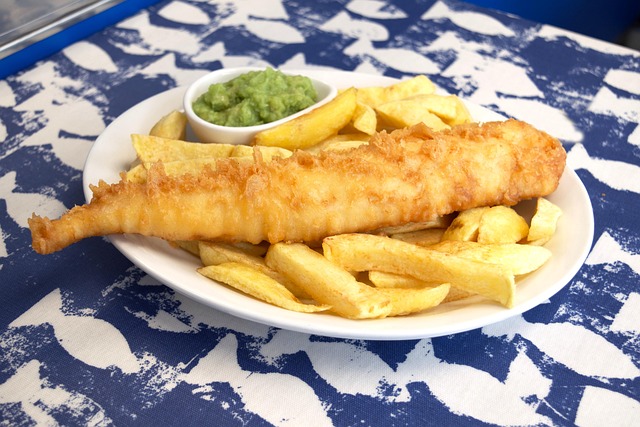
Cleethorpes’ version of fish and chips reflects its geography—fresh haddock from nearby waters, thick-cut chips cooked in beef dripping, served with mushy peas or curry sauce. Local pride lies in subtle differences: crispness levels, salt ratios, even wrapping paper texture. These details create an unspoken competition among shops while reinforcing a shared sense of belonging.
The Social Ritual of Eating Fish and Chips by the Sea
Eating fish and chips by the sea is more than habit; it is ritualized participation in community life. Each bite connects generations through taste memory and shared experience.
Shared Experiences That Connect Locals and Tourists Through Food
For locals, eating by the pier marks seasonal rhythms—summer evenings after work or winter walks with steaming parcels in hand. For visitors, it represents immersion into seaside tradition. This simple act blurs boundaries between resident and tourist, creating fleeting yet genuine connections through food.
The Sensory Experience: Sound, Smell, and Texture as Part of Cultural Memory
The crunch of batter against waves crashing nearby forms part of collective memory. Salted air mingles with vinegar tang; paper rustles as hands unwrap golden fillets. These sensations anchor people emotionally to place more effectively than words ever could.
How These Rituals Influence Local Identity and Community Expression
Such rituals define what it means to belong to Cleethorpes. They appear in local festivals, murals depicting fishermen or chip shop queues, even school art projects celebrating “Friday tea.” Through repetition across decades, they shape civic identity rooted in taste.
Translating Culinary Tradition into Artistic Expression
Artists often draw inspiration from familiar routines; for one Cleethorpes artist touring local chip shops, this everyday culture became fertile creative ground.
Exploring the Artist’s Connection to Local Cuisine
Growing up surrounded by seaside smells and textures influences artistic perspective profoundly. The artist’s exploration turns nostalgia into visual form—paintings that evoke warmth from grease-stained paper or reflections on stainless steel counters capture both personal memory and communal rhythm.
Food as a Medium for Exploring Nostalgia and Belonging
Food carries emotional weight; depicting it allows reflection on homecoming or loss. By painting fish suppers under neon lights or families eating on benches at dusk, the artist transforms ordinary meals into metaphors for belonging amid change.
Artistic Representation of Everyday Culture Through Visual Storytelling
Through composition choices—close-ups on wrapped portions or panoramic views of crowded seafronts—the artist documents daily life without sentimentality. Each piece functions like social reportage rendered through color instead of camera lens.
Visual Motifs Derived from Fish and Chips Culture
From palette selection to material use, visual cues drawn from Cleethorpes’ chip culture inform every stage of creation.
Use of Color Palettes Inspired by Seaside Landscapes and Fried Textures
Warm yellows mimic batter glow under shop lights; muted blues recall twilight skies over Humber estuary. Contrasting tones capture tension between comfort food warmth and coastal coolness—a chromatic metaphor for dual identity: industrial grit meeting natural beauty.
Symbolic Use of Packaging, Grease Marks, or Salt Crystals in Artwork
Grease stains become compositional elements suggesting impermanence; salt crystals glisten like miniature sculptures embedded within paint layers. Such motifs elevate disposable materials into symbols of endurance through repetition.
Integration of Marine Imagery With Urban Aesthetics to Reflect Dual Identity
Merging fishing nets with geometric shop signage visually fuses sea heritage with urban modernity. This interplay mirrors Cleethorpes itself—a town balancing tourism economy with enduring maritime roots.
The Creative Process Behind Culinary-Inspired Artworks
Creating art from cuisine requires immersive observation followed by experimental translation into material form.
Observation and Immersion Through Local Tours
The artist’s tour across various fish shops serves as field research—observing light bouncing off fryers or noting customer interactions informs composition later on canvas. Sketchbooks fill with gestures: servers wrapping parcels swiftly or children sharing chips beside arcades.
Sketching Scenes That Capture Both Tradition and Modernity
Quick studies record contrasts between vintage décor—formica tables—and digital menus displaying calorie counts. These juxtapositions highlight how tradition adapts without disappearing entirely.
Documenting Variations in Presentation, Décor, and Customer Behavior as Artistic Data
Each establishment tells its own story through interior tone: some brightly lit for efficiency; others dimly nostalgic with framed trawler photos. Such observations translate into layered narratives when painted collectively.
Material Experimentation Reflecting Culinary Themes
Translating taste into texture challenges artists technically but opens new expressive possibilities.
Use of Mediums That Evoke Texture and Taste
Thick impasto mimics crispy batter surfaces; resin coatings simulate oil sheen under light. Mixed media collages incorporating paper fragments resemble takeaway wrappings folded around subject matter itself.
Layering Techniques That Parallel the Frying Process or Wrapping Paper Folds
Layer upon layer mirrors how food is prepared—batter enveloping fish then sealed within paper folds—creating tactile depth akin to culinary process turned visual metaphor.
Color Theory Influenced by Coastal Environments
Balancing warm ochres against cool aquamarines reproduces emotional cadence felt along seafront evenings where fading sunlight meets rising tide mist—a harmony between appetite satisfaction and reflective calmness.
Interpreting Food as a Metaphor for Place and Identity
Beyond technique lies meaning: food becomes language expressing who people are collectively.
Symbolism Embedded in Everyday Meals
Fish and chips symbolize resilience born from modest origins yet cherished across generations—a reminder that simplicity can embody strength when tied to place memory.
Exploration of How Common Foods Embody Cultural Narratives
Depicting such meals reveals stories about labor history, migration patterns bringing different frying oils or condiments—all encoded within what seems an ordinary dinner portion.
Representing Community Values Through Depictions of Shared Meals
Group dining scenes emphasize solidarity over status; everyone eats from paper rather than porcelain—a democratic act reinforcing equality central to local ethos.
Artistic Commentary on Change in Coastal Towns
Modernization alters landscapes once defined by trawlers now replaced by leisure boats; artists respond visually to this shift using familiar imagery recontextualized for present day reflection.
Reflecting on Modernization’s Impact on Traditional Food Culture
Chain franchises introduce uniformity threatening individuality once marked by each shop’s distinct flavor profile; artwork preserves that diversity before it fades completely from streetscape memory.
Juxtaposing Nostalgia With Contemporary Visual Forms to Comment on Transformation
Combining retro typography with abstract color fields conveys tension between longing for past authenticity versus embracing evolving aesthetics shaped by tourism economy demands.
The Broader Influence of Culinary Art in Contemporary Practice
Culinary-inspired art now occupies serious space within British contemporary movements bridging sociology with sensory engagement rather than mere decoration.
Positioning Food-Inspired Art Within Modern British Art Movements
Themes align closely with social realism documenting working lives yet also echo pop art’s celebration of everyday objects—turning humble meals into icons worthy of gallery walls much like soup cans once were elsewhere.
The Role of Regional Artists in Redefining National Cultural Narratives Through Food Imagery
By focusing regionally specific subjects such as Cleethorpes’ chip culture artists decentralize national discourse proving cultural significance thrives outside metropolitan centers too.
Expanding Dialogue Between Gastronomy and Visual Arts
Collaborations between chefs curators educators foster exhibitions treating cuisine not simply consumable but preservable heritage inviting audiences to taste history visually interpreted anew.
FAQ
Q1: Why are fish and chips culturally significant in Cleethorpes?
A: They represent both working-class heritage and seaside leisure traditions unique to Britain’s coastal towns while embodying collective memory through shared rituals around food consumption.
Q2: How does local cuisine influence artistic practice?
A: Artists draw upon sensory memories like smell texture color translating them into visual language reflecting nostalgia identity community ties inherent within daily meals.
Q3: What materials best capture culinary themes?
A: Mixed media techniques using textured paints resins papers replicate tactile qualities associated with fried foods enhancing viewer engagement beyond sight alone.
Q4: How does modernization affect traditional chip culture?
A: Commercial standardization risks erasing distinctive local flavors prompting artists to document remaining individuality before homogenization overtakes regional character completely.
Q5: What broader role does food-inspired art play today?
A: It bridges gastronomy sociology aesthetics positioning everyday dining experiences as legitimate subjects within contemporary cultural discourse connecting people through shared sensory heritage.