
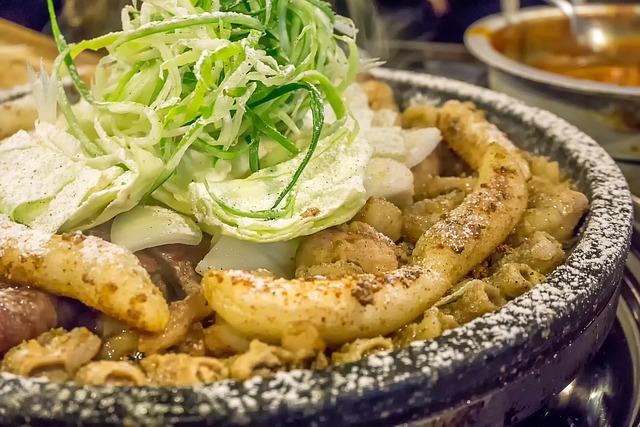
Where Can a Korean Restaurant Near Me Offer Authentic Barbecue in Los Angeles
Where to Go for Korean Barbecue in Los Angeles
Los Angeles offers one of the most dynamic Korean barbecue scenes outside of Seoul. The city’s vast network of restaurants—from bustling Koreatown to suburban enclaves—presents a range of authentic and modern interpretations. For those searching “korean restaurant near me,” the most rewarding experiences come from venues that maintain traditional grilling methods, premium meat quality, and communal dining rituals. Koreatown remains the cultural heart, but discerning diners also find remarkable authenticity in Glendale, Torrance, and Buena Park.
Exploring Authentic Korean Barbecue in Los Angeles
Korean barbecue is more than a meal; it’s a cultural ritual that brings people together around fire and flavor. Its roots trace back centuries, reflecting Korea’s agrarian traditions and emphasis on shared dining. Today, Los Angeles restaurants preserve these customs while adapting them to the city’s cosmopolitan rhythm.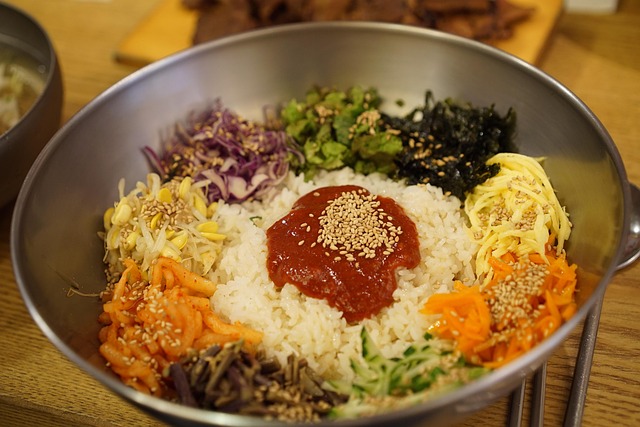
The Cultural Significance of Korean Barbecue
Korean barbecue represents a social dining experience centered around grilling meat at the table. Guests cook their own cuts—often beef short ribs or pork belly—over charcoal or gas grills built into the table. This interactive format mirrors traditional Korean hospitality where food is shared equally among all diners. Historically, this practice evolved from royal banquets and rural feasts that celebrated abundance and cooperation. In modern Los Angeles, these same principles shape how authentic restaurants serve their guests.
Defining Authenticity in Korean Barbecue
Authentic barbecue emphasizes high-quality cuts such as bulgogi (thinly sliced marinated beef), galbi (beef short ribs), and samgyeopsal (pork belly). The marinades balance soy sauce, garlic, sugar, sesame oil, and fruit extracts to achieve depth without overpowering the meat’s natural flavor. Banchan—the small side dishes like kimchi, pickled radish, and seasoned spinach—complete the meal by offering textural contrast. Traditional setups use charcoal grills with strong ventilation hoods that capture smoke while preserving aroma. These details distinguish genuine establishments from Westernized versions that prioritize speed over craft.
Key Areas in Los Angeles Known for Korean Barbecue
The geography of Los Angeles plays an important role in shaping its Korean dining culture. While Koreatown remains central to this identity, satellite communities across the region have developed their own culinary niches.
Koreatown: The Heart of Korean Cuisine in LA
Koreatown hosts an unmatched concentration of Korean restaurants offering traditional barbecue experiences. Many are family-run businesses with recipes passed down through generations, often unchanged since their founders immigrated decades ago. Diners can expect late-night crowds, sizzling platters echoing through narrow streets, and servers who expertly manage grill temperatures for optimal texture. The neighborhood’s 24-hour dining culture enhances its authenticity—locals gather after work or concerts for shared plates of marinated meat and soju.
Expanding Beyond Koreatown: Other Notable Districts
Beyond Koreatown, areas such as Glendale, Torrance, and Buena Park have become strongholds for authentic Korean eateries catering primarily to local residents rather than tourists. These districts often feature smaller venues focusing on regional specialties like Jeju-style black pork or Gangwon beef cuts rarely found elsewhere. Parking availability and quieter settings appeal to diners seeking a more relaxed experience without sacrificing quality. In some cases, suburban restaurants import specific ingredients directly from Korea to maintain flavor integrity.
Identifying an Authentic Korean Restaurant Near You
Finding an authentic spot requires more than typing “korean restaurant near me” into a search bar—it involves evaluating menus, ingredients, atmosphere, and service style with an expert eye.
Evaluating Menu Offerings and Ingredient Quality
A credible restaurant will list both barbecue items and staple dishes such as kimchi jjigae (kimchi stew), doenjang jjigae (soybean paste stew), or naengmyeon (cold noodles). High-quality establishments display fresh marbled meats rather than pre-marinated cuts sitting in sauce for hours. Imported condiments like gochujang (red chili paste) or sesame oil signal attention to authenticity since domestic substitutes often alter flavor balance. A diverse spread of banchan also indicates culinary care; well-prepared side dishes show time investment typical of true Korean kitchens.
Observing Dining Atmosphere and Service Style
Authentic venues emphasize communal seating with built-in table grills allowing guests to cook together—a hallmark of social dining rooted in Korean tradition. Staff members frequently assist by turning meat or adjusting heat levels to achieve perfect sear without burning edges. The sensory environment matters too: faint K-pop music playing softly in the background or wall art depicting Seoul’s streetscape adds cultural immersion beyond taste alone.
Modern Interpretations of Korean Barbecue in Los Angeles
While tradition anchors authenticity, innovation shapes evolution. Many chefs across Los Angeles reinterpret classic barbecue through creative techniques while respecting its essence.
Fusion Concepts Blending Tradition with Innovation
Several modern restaurants merge American steakhouse aesthetics with core Korean grilling methods—think dry-aged ribeye marinated lightly in soy-based sauces or wagyu galbi served with truffle salt instead of sesame oil dips. These fusion concepts attract younger diners curious about cross-cultural flavors yet still value craftsmanship over gimmickry. Presentation styles may vary—some serve meats on slate boards—but underlying respect for balance between marinade and smoke remains constant.
Sustainability and Ingredient Sourcing Trends
Sustainability has become central to contemporary dining ethics in Los Angeles’ food scene. Increasingly, barbecue houses highlight locally sourced meats raised without hormones alongside organic produce from nearby farms. Some even adopt eco-friendly charcoal alternatives made from coconut husks to reduce emissions during grilling. Transparent sourcing practices build consumer trust among environmentally conscious patrons who want both taste satisfaction and ethical assurance.
Enhancing the Search Experience for “Korean Restaurant Near Me” Queries
Digital discovery plays a decisive role in connecting diners with authentic experiences today. Knowing how online visibility functions helps both consumers and restaurateurs navigate this space effectively.
Leveraging Digital Tools for Accurate Discovery
Mapping platforms now allow users to filter by cuisine type, distance, ratings, or business hours—making it easier to locate genuine establishments quickly within sprawling cities like Los Angeles. Reviewing dish photos helps gauge presentation quality before arrival; consistent plating often signals professional standards behind the kitchen door. Reading verified customer reviews further identifies places maintaining reliable service across visits instead of relying solely on viral popularity spikes.
Understanding SEO Dynamics for Restaurant Visibility
For restaurant owners aiming to appear prominently when users search “korean restaurant near me,” keyword relevance is crucial. Consistent updates on menu offerings, operating hours, seasonal promotions, or new dishes improve ranking stability on search engines over time. Earning backlinks from respected culinary publications enhances credibility signals recognized by algorithms assessing expertise and authenticity—a vital factor within Google’s EEAT framework emphasizing Experience, Expertise, Authoritativeness, and Trustworthiness.
FAQ
Q1: What makes Koreatown unique for Korean barbecue?
A: Its density of long-established family-run restaurants preserves generational recipes rarely altered since immigration waves began decades ago.
Q2: Are suburban areas like Glendale good alternatives?
A: Yes; they offer quieter environments with equal attention to meat quality and often feature regional specialties not found in tourist zones.
Q3: How can I tell if a restaurant is truly authentic?
A: Look for charcoal grills at tables, freshly prepared banchan varieties exceeding five dishes, and staff who actively assist during grilling.
Q4: Do modern fusion spots still count as authentic?
A: When they retain core techniques such as self-grilling meats while introducing new marinades responsibly—they uphold authenticity through respect rather than imitation.
Q5: What’s the best way to find top-rated options online?
A: Use mapping tools filtered by cuisine type combined with reading recent reviews mentioning consistent service quality instead of relying solely on star ratings alone.