
What Is Soul Food and Why Is It Still Winning Global Food Lovers?
What Makes Soul Food More Than a Trend?
Soul food carries memory, kitchen skill, and comfort on the same plate. For buyers, retailers, and food lovers checking the Food & Beverages market, soul food is not only fried chicken and sweet potatoes. It covers flavors shaped by African American history, Southern cooking, family meals, church suppers, migration, and daily life. That is why the category still feels close to people, even when it is sold in a supermarket freezer or placed on a casual dining menu.
A Food Story With Cultural Roots
The Smithsonian National Museum of African American History and Culture describes Black foodways as a mix of African, Indigenous, European, and American influences shaped by forced migration, agriculture, labor, celebration, and resilience. That background is not decoration; it explains why the food matters. Collard greens, cornbread, okra, rice, beans, smoked meats, hot sauce, and sweet tea became loved because cooks knew how to stretch ingredients, build flavor, and feed families with care.

A Comfort Category With Clear Identity
A strong food category needs signs that shoppers understand fast. Soul food has those signs. A plate with braised greens, crispy chicken, macaroni and cheese, candied yams, and cornbread says comfort before anyone picks up a fork. The texture is full, the seasoning is clear, and the smell can be smoky, sweet, and peppery. These points help food brands build product lines, but they also raise expectations. If the food tastes weak, customers notice right away.
A Modern Market With Room to Grow
USDA Economic Research Service data published in 2024 reported that U.S. spending on food away from home reached $4,485 per person in 2023, up 12.0% from 2022. That number shows how much prepared meals, restaurant-style flavors, grab-and-go plates, and heat-and-eat foods matter now. Soul food fits this habit because many dishes work well as ready meals, frozen sides, sauces, spice blends, and deli counter items. The point is simple: convenience should not cut the story out of the food.
Which Classic Dishes Define Soul Food?
You can spot soul food by the dishes, but the bigger pattern is balance. Salty and sweet. Tender and crisp. Slow-cooked and freshly fried. A Sunday plate may look easy, yet the cooking behind it takes timing, seasoning, and patience. For product developers, every dish has a clear flavor job and a clear texture job.
Greens, Beans, and Slow-Cooked Sides
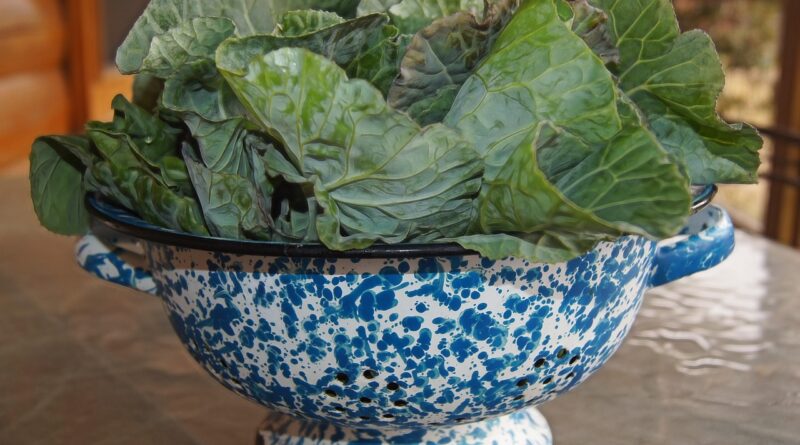
Collard greens, mustard greens, black-eyed peas, lima beans, red beans, and cabbage form the base of many soul food plates. They are often cooked with onion, garlic, pepper, vinegar, smoked turkey, ham hock, or seasoning meat, so the flavor builds slowly instead of sitting on top. For packaged food, these dishes can work as frozen vegetables, shelf-stable bean bowls, meal kits, and refrigerated deli sides. One practical note from the shelf: watery greens rarely get a second purchase. Texture matters as much as seasoning.
Chicken, Fish, and Smoked Meats
Fried chicken may be the dish many people know first, but soul food also includes fried catfish, smothered chicken, baked turkey wings, meatloaf, oxtails, and barbecue-influenced meats. Each protein plays a different role on the plate. Fried items bring crunch, smothered dishes bring gravy and comfort, and smoked meats add body to vegetables and beans. If you sell sauces or seasonings, the flavor work is very practical here. Paprika, cayenne, black pepper, garlic, onion, thyme, and smoke notes all need to earn their place.
Cornbread, Yams, and Sweet Finishes
Cornbread, candied yams, peach cobbler, banana pudding, pound cake, and red drinks are part of the pull for many customers. These items are often tied to family tables, holidays, and church meals, so the emotional side is real. Smithsonian collections and food historians such as Adrian Miller have written about dishes like yams, greens, fried chicken, and red drinks as markers of African American food identity. For retail, desserts and bakery items can be an easier first step. A shopper may try a mini sweet potato pie before buying a full meal solution.
How Can Food Brands Sell Soul Food With Respect?
Respect is not a line on the front of a pack. It shows in recipe research, naming, sourcing, photography, and who gets credit. Soul food has been copied many times, and not always with context. If a brand wants long-term trust, it should treat the cuisine as a living food tradition, not as a flavor costume.
Accurate Naming and Honest Storytelling
Use names that match what is inside the pack. If a sauce tastes like general barbecue, do not call it soul food only because it has smoke and sugar. If a frozen entrée includes collard greens, cornbread, and seasoned chicken, the link is much clearer. Short package copy can mention Southern African American food traditions, home-style cooking, or family-table flavors. Keep the wording plain. Big heritage claims can feel forced, and shoppers can usually tell.
Community Input Before Launch
Recipe testing should include people who know the cuisine through lived experience, professional cooking, or food history. That does not mean one person can speak for every family or every region. Soul food changes by region, family, budget, religion, and health needs. Even so, community input helps catch problems before launch. Bland greens, cornbread that is too sweet for a savory market, or label photos that look staged can all hurt trust.
Packaging That Avoids Lazy Cliches
Good packaging can feel warm without using stereotypes. Put the food in front: steam from greens, crisp crust on chicken, glossy yams, a cast-iron pan, a family-style serving bowl, or a clean modern bowl format. The National Museum of American History notes that the soul food movement celebrated culturally and socially important foods of African American people. That point explains why careless branding can cause trouble. A brand is selling flavor, but it is also touching identity.
What Do Nutrition Data Say About Modern Soul Food?
Classic soul food can be rich, and that is part of why people enjoy it. At the same time, many shoppers read labels, compare sodium, check added sugar, and look for protein. The job is not to remove the pleasure from the plate. The better job is to keep the flavor and give shoppers workable choices.
Sodium Is a Real Label Issue
The CDC stated in 2024 that most sodium in American diets comes from packaged and restaurant food, not from the salt shaker at home. The Dietary Guidelines for Americans 2020-2025 recommend keeping sodium under 2,300 milligrams per day for people 14 and older. This matters for soul food products because smoked meats, seasoned coatings, broths, gravies, pickled ingredients, and sauces can raise sodium quickly. A lower-sodium line, marked clearly, can meet a real need without making the product taste flat.
Vegetables Can Carry the Plate
Soul food already has strong vegetable traditions. Greens, okra, cabbage, squash, sweet potatoes, beans, and peas can carry a meal when they are seasoned well. USDA SNAP-Ed has promoted “Soulful Recipes,” a cookbook with healthier versions of African American family-favorite meals and snacks. That public health angle is useful for brands. Do not present vegetables as a punishment. Present them as the part of the plate with history, color, and flavor.
Better-For-You Does Not Mean Bland
You can reduce heavy fat or salt and still keep taste. Smoked paprika, roasted garlic, vinegar, citrus, pepper sauce, herbs, slow caramelized onions, and high-quality stock can do real work in the recipe. For frozen meals, a well-built sauce helps the product recover after reheating. For seasonings, a salt-free or reduced-salt blend should still smell strong when the pack is opened. Nobody wants a health claim that eats like cardboard. It sounds blunt, but buyers know it is true in the aisle. See also: baby&kids.
Where Do Retail Opportunities Fit in Food & Beverages?
Soul food can sit in more than one product format. It belongs in restaurants, but it also fits frozen meals, sauces, canned vegetables, snacks, bakery, deli, and spice shelves. The right format depends on how much cooking the customer wants to do. Some shoppers want a full tray. Others only want a seasoning blend that makes a weekday dinner taste better.
Frozen Meals and Heat-and-Eat Sides
Frozen macaroni and cheese, seasoned greens, smothered chicken, red beans and rice, and sweet potato mash are practical because they solve dinner quickly. USDA ERS food spending data shows continued strength in prepared and away-from-home eating, which points to a clear consumer habit: people still want restaurant-style comfort when time is short. A frozen soul food meal has to protect texture after heating. Mushy breading, dry chicken, and grainy cheese sauce can stop repeat sales fast.
Sauces, Seasonings, and Pantry Staples
Sauces and seasonings often move across markets more easily than full meals. Hot sauce, pepper vinegar, barbecue sauce, chicken fry mix, cornbread mix, seafood seasoning, and greens seasoning can introduce shoppers to the flavor family without asking them to change the whole menu. Pantry items also allow local use. A buyer in another country may pair a soul food seasoning with local fish, beans, or vegetables. That can work well, as long as the product does not claim to replace the whole tradition.
Foodservice and Private Label Potential
Foodservice can test demand before a full retail rollout. Cafeterias, hotel buffets, airline meals, school food programs, convenience stores, and casual dining groups already use comfort-food formats. Private label also has room, especially for sides and sauces. The main point is consistency. If a retailer adds a soul food range for a cultural month and then lets quality fall, customers remember. Seasonal interest should turn into year-round respect where demand supports it.
How Should You Present Soul Food to Global Buyers?
Global buyers may know American barbecue or Southern fried chicken, but they may not know the deeper soul food story. The job is to explain the category without making it too flat. Plain language works best. Clear photos help. Samples help even more, because aroma does a lot of the selling.
A Clear Product Position
Position soul food as African American comfort cuisine with Southern roots and broad American influence. That sentence is short, accurate, and easy to translate. For a buyer deck, stay with three points: heritage, flavor, and format. Heritage explains why the food matters. Flavor explains why consumers return. Format explains how the buyer can sell it through retail, foodservice, or e-commerce.
Practical Claims and Clean Labels
Use claims that can be proved. If a product is reduced sodium, check it with lab data. If it is vegan, review every ingredient, including flavorings and processing aids. If it is inspired by a regional style, name the region only when the recipe supports that claim. The safest selling points are often simple: slow-cooked taste, seasoned greens, crispy coating, real sweet potato, no artificial colors, or ready in minutes. Buyers prefer claims that are easy to check and easy to explain.
Sampling That Shows the Full Plate
One bite of sauce is useful, but a full plate explains the category better. Pair greens with cornbread, serve spicy fish with a cooling side, and let buyers taste how sweetness from yams balances peppery chicken. For trade shows, keep portions small but warm. A cold macaroni sample in a plastic cup will not do the job. Food is practical, but this category still needs a little care in the serving.
FAQ
Q1: What Is Soul Food? A: Soul food is a cuisine rooted in African American cooking, especially Southern traditions. It often features greens, beans, cornbread, fried or smothered proteins, sweet potatoes, pies, and bold seasoning.
Q2: Is Soul Food the Same as Southern Food? A: Not exactly. The two overlap, but soul food refers more directly to African American food traditions and cultural identity. Southern food is broader and includes many regional and community styles.
Q3: Can Soul Food Be Made Healthier? A: Yes. You can use smoked turkey instead of pork, add vinegar and herbs for flavor, reduce sodium, bake instead of fry, and build plates around greens, beans, and sweet potatoes.
Q4: What Soul Food Products Work Best for Retail? A: Frozen sides, ready meals, spice blends, hot sauces, cornbread mixes, sweet potato desserts, and seasoned beans are practical retail formats because they are easy to explain and easy to cook.
Q5: How Can Brands Avoid Cultural Mistakes? A: Use accurate naming, test recipes with knowledgeable cooks, credit the cuisine’s African American roots, avoid stereotypes, and make products that taste good enough to earn repeat buyers.