
Which Essentials Household Products Should You Stock for Faster Repeat Orders?
What Makes an Essentials Household Range Worth Stocking?
If you buy, import, or sell essentials household products, the items that keep moving are usually not the fancy ones. They are the things people use every week, run out of quickly, and replace without a long discussion at home. You can start with the household essentials category, then build the range around repeat demand, clear value, and simple replenishment.
There is a practical reason to look closely at this category. In its 2024 Consumer Expenditure data, the U.S. Bureau of Labor Statistics reported average annual household spending of $78,535, with food alone at $10,169 and food at home at $6,224. That matters because many household essentials support food storage, cleaning, daily hygiene, and basic home upkeep. For a buyer, the takeaway is straightforward: small items are still tied to main household routines, so they should not be treated as filler lines. (bls.gov)
Daily Use with Fast Turnover
Good household essentials move from shelf to cart with little explanation. Trash bags, sponges, wipes, food storage bags, dish brushes, microfiber cloths, and laundry helpers are common examples, and most shoppers already know why they need them. A customer may check the price, but they rarely need product education. For wholesale buyers, reorder speed can matter as much as margin, because a plain roll of bags may sell every day while a novelty kitchen gadget sits in stock.
Clear Value for Busy Homes
Value is not only about the lowest price. Customers often judge household products by count, thickness, scent, size, and whether the product saves a bit of time. A 30 count cleaning wipe pack, a 100 count storage bag box, or a family size sponge multipack gives shoppers a number they can understand fast. This also helps retailers, because simple value claims make the shelf easier to read.
Simple Specs for Easy Buying
When you compare SKUs, keep the spec sheet plain and useful. Buyers should be able to check size, material, pack count, carton quantity, barcode needs, and shelf life if relevant, without going back and forth five times. A useful quick check includes:
- Is the item used at least weekly in a normal home?
- Can the pack size be explained without a sales script?
- Will the carton survive normal warehouse handling?
Which Product Groups Should Come First?
A strong essentials household range should not feel like a random mix. It should cover the rooms where daily mess happens and the tasks that repeat often. For many retailers, the best starting point is not a huge catalog. It is a focused basket of products that handles cleaning, kitchen storage, laundry, and paper goods needs.
Cleaning and Surface Care
Cleaning products sit close to the center of household essentials because surfaces get dirty every day. The U.S. Centers for Disease Control and Prevention says household cleaners with soap or detergent remove germs and dirt from surfaces, and that regular cleaning is often enough in most situations. It also advises disinfecting when someone is sick or at higher risk. For buyers, the point is clear: stock core cleaners for routine use, then add disinfecting products with careful label directions and safe usage notes. (cdc.gov)
Kitchen and Food Storage
Kitchen essentials deserve early shelf space because they link directly to food waste, leftovers, lunch packing, and freezer storage. Food storage containers, freezer bags, foil, parchment paper, twist ties, measuring tools, sink strainers, and scrub pads all make sense in this group. The U.S. Food and Drug Administration says refrigerators should stay at 40°F or below and freezers at 0°F, and notes that bacteria that cause foodborne sickness can double every 20 minutes at room temperature. This supports steady demand for covered containers, sealed bags, and simple fridge organization items. (fda.gov)
Laundry and Paper Goods
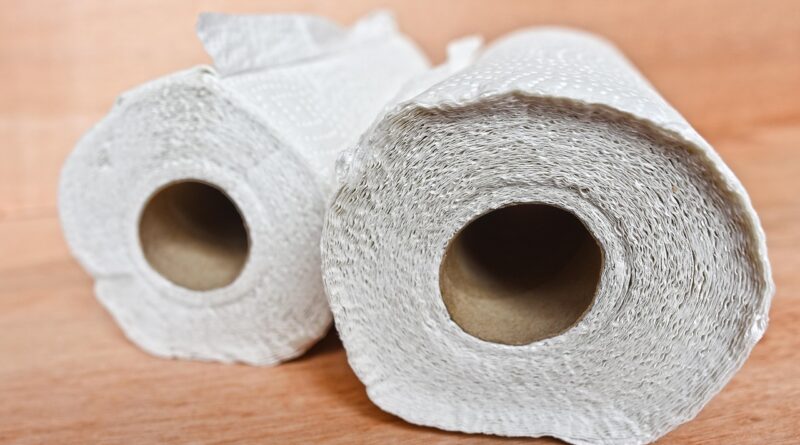
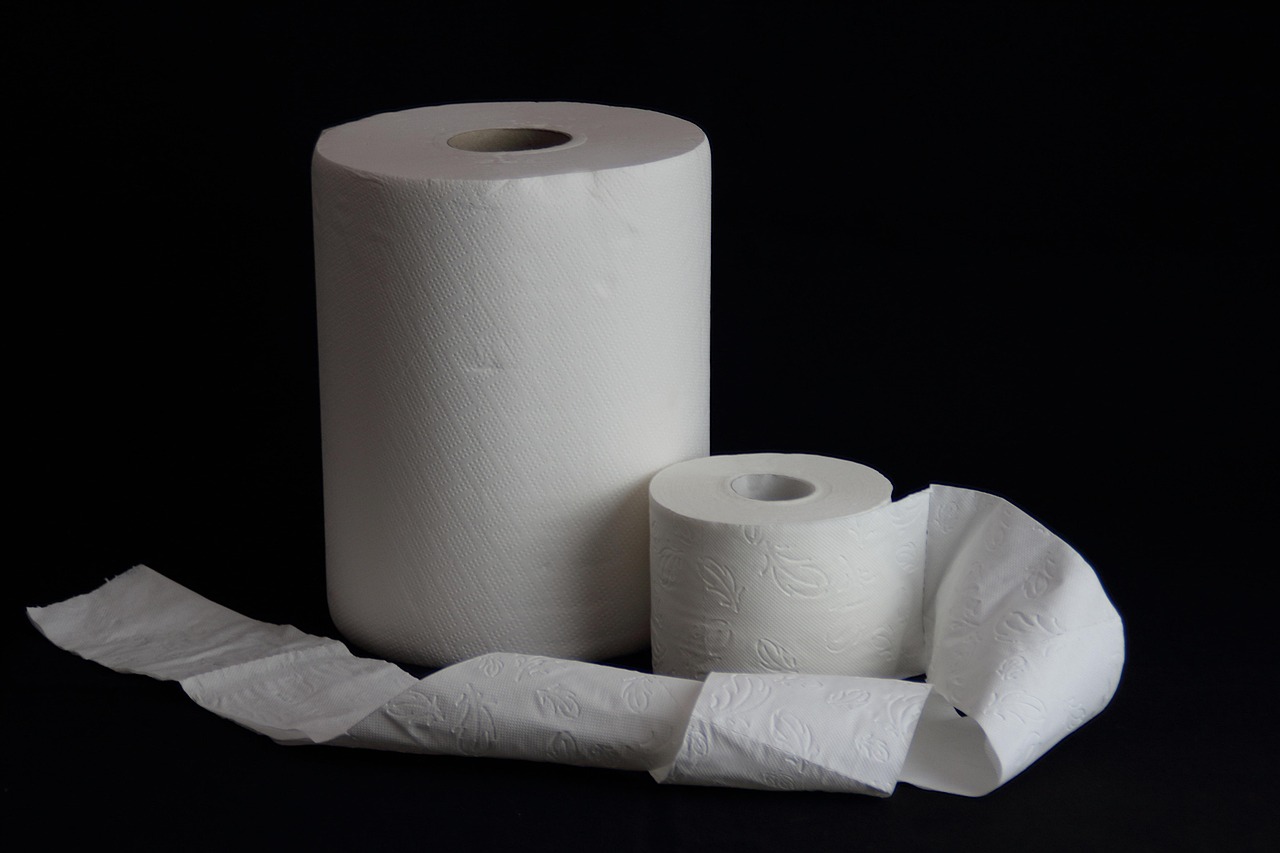
Laundry and paper goods bring regular repeat traffic. Lint rollers, mesh wash bags, laundry baskets, clips, toilet paper, kitchen towels, facial tissues, and napkins may look basic, but that is exactly why they work. These products also give buyers room for price tiering. A retailer can carry an entry pack for price sensitive shoppers and a thicker, larger, or better packed option for families.
How Should You Judge Quality Before a Bulk Order?
Quality checks for household essentials should be practical, not staged for a showroom. You are buying products that get wet, squeezed, pulled, stacked, opened, shut, dropped, and used by people who may be in a hurry after work. A sample should be tested in the same way a real household would use it.
Safe Labels and Clear Directions
Labels should be easy to read and matched to the product type. For cleaners, check warnings, storage guidance, surface suitability, dilution notes, contact time if it is a disinfectant, and local language needs for your target market. For food contact items, confirm material statements and any temperature limits. Poor label clarity can bring customer complaints even when the product itself is acceptable.
Durable Materials and Fit
Thin plastic that tears, lids that do not seal, weak sponge layers, and handles that bend too soon can damage repeat sales. A simple buyer test can catch many of these issues before a bulk order. Fill a container, turn it gently, stack three units, open and close the lid ten times, stretch a trash bag over a bin, scrub a greasy plate, or hang wet laundry on a clip. These small checks are not exciting, but they are better than judging only from a catalog page.
Pack Tests That Match Real Shipping
Household essentials often ship in volume, so carton strength affects profit. Ask for carton dimensions, gross weight, drop test information if available, and pallet loading details before you confirm the order. If the item has pumps, lids, liquids, powders, or thin paperboard boxes, check for leakage and crushing. A small dent at the factory can turn into a return after a long trip through ports, trucks, and store rooms.
How Can Packaging Lower Waste and Still Sell?
Packaging has to protect the product, sell on the shelf, and avoid waste where possible. That sounds like a lot for a simple sponge pack, but packaging choices affect freight cost, shelf look, and how customers feel about the item after use.
Right Size Cartons and Refills
The U.S. Environmental Protection Agency reported that containers and packaging made up 82.2 million tons of U.S. municipal solid waste generation in 2018, equal to 28.1 percent of total generation. It also reported a 53.9 percent recycling rate for generated containers and packaging, while plastic containers and packaging had a much lower recycling rate of 13.6 percent. This does not mean every item must be plastic free. It means carton size, refill formats, and material choices should be discussed before a purchase order is placed. (epa.gov)
Recyclable Material Choices
Where the product allows it, choose recyclable paperboard, clear recycling marks, and less mixed material. Mixed film, laminated cards, and oversized blister packs can raise cost and frustrate buyers who track packaging impact. Refill pouches may work for some cleaning and storage lines, but only if leakage control is reliable. A refill that leaks in a master carton is not sustainable in any practical sense.
Shelf Appeal Without Extra Bulk
Good packaging is easy to see but not oversized. A tidy front panel, honest count claim, readable benefit, and clear color code often work better than a loud design with too many promises. In many FMCG aisles, shoppers move fast. They want to know what it is, how many pieces they get, and whether it fits their kitchen, bathroom, or laundry shelf. See also: baby&kids.
How Do You Plan Assortment and Reorders?
Assortment planning is where many household essentials ranges become messy. Too many similar SKUs tie up cash. Too few choices push shoppers to another store. Since there is no single reliable public dataset that ranks every household essential SKU across every export market, buyers should combine public category signals with their own sales history, customer type, climate, household size, and channel.
Good Better Best Price Tiers
A simple good, better, best structure works well for household essentials. The good tier covers basic function and price, while the better tier adds stronger material, larger count, or nicer packaging. The best tier can add fragrance, premium finish, extra thickness, or a reusable feature. This setup helps you serve discount stores, supermarkets, online shops, and private label programs without making the range feel scattered.
Seasonal and Emergency Packs
Some essentials rise by season. Storage bags, disposable tableware, and kitchen towels often move more around holidays, while cleaning tools may rise during spring cleaning periods. Flashlights, batteries, trash bags, gloves, and storage containers can move before storms or local emergencies. Plan these packs early, because factory lead times and freight schedules will not adjust just because a retailer suddenly needs stock next Friday.
MOQ and Reorder Windows
Minimum order quantity should match real sell through. A low unit cost can still be a bad deal if cartons sit in the warehouse for eight months. Ask suppliers for lead time, production capacity, mixed container options, and reorder windows. If you sell online, also check parcel size, because a product that ships cheaply by container may become expensive when sent one by one to a customer.
What Should B2B Buyers Ask Before Choosing a Supplier?
The right supplier does more than quote a price. For household essentials, you need consistent materials, stable packing, clear documents, and quick answers when a retailer asks for a change. A supplier who handles details well can save you from many small problems later.
Factory Consistency and Documentation
Ask whether the factory has stable raw material sources, in line inspection, finished goods checks, and batch records. For regulated or sensitive items, request test reports that match the product and market. Make sure the report is recent enough and tied to the actual material, not a similar product from three years ago. If a supplier hesitates to share basic documents, treat that as a warning sign.
Private Label Support
Private label can be a strong path in household essentials because shoppers accept store brands in many routine categories. Ask about artwork support, packaging templates, barcode placement, carton marks, and minimum order levels by design. A practical supplier should also tell you when a design choice will slow production or raise cost. That kind of direct answer is worth more than a neat mockup that hides the real issue.
Reliable Export Packing
Export packing should match the route. Ocean freight, inland trucking, warehouse stacking, and store delivery all add pressure on the carton and the product inside. Confirm master carton strength, inner packing, moisture protection, and loading plans. If products are light but bulky, freight cost may decide the margin; a mop bucket that stacks well can matter more than a tiny price difference.
FAQ
Q1: What Are Essentials Household Products? A: They are everyday home use items such as cleaning tools, storage bags, trash bags, paper goods, laundry helpers, kitchen accessories, and basic organization products that customers replace often.
Q2: Which Household Essentials Sell Best for Wholesale? A: Fast moving items usually include trash bags, sponges, microfiber cloths, food storage bags, paper towels, toilet paper, dish brushes, gloves, and multipack cleaning tools. The best mix depends on your market and channel.
Q3: How Many SKUs Should a New Buyer Start With? A: A focused range of 20 to 40 SKUs is often easier to manage than a broad catalog. Start with repeat use products, test sell through, then add sizes, scents, materials, or private label versions.
Q4: Should You Choose the Cheapest Household Essentials Supplier? A: Not always. A very low price can hide weak materials, poor cartons, unclear labels, or unstable lead times. Compare landed cost, defect risk, packaging quality, and reorder support before deciding.
Q5: How Can Packaging Help Household Essentials Sell Better? A: Good packaging shows the count, size, use case, and value quickly. It should protect the product, fit shelves, reduce needless bulk, and match the quality level promised on the front panel.