

What Is Total Health and Wellness and How Can Everyday Products Support It?
Total health and wellness is not about a perfect morning routine or a cupboard full of new wellness items. It is the pattern behind how people eat, move, sleep, handle pressure, and choose basic household goods. If you need more practical reading on this topic, visit the Health & Wellness section for related guides.
The main point is easy to see in daily life: small choices come back again and again. A better breakfast, a walk after dinner, a steady bedtime, and more careful shopping can make a difference over time. For busy families, retailers, importers, and wellness product buyers, this matters because health is often shaped by the regular shopping basket, not by a once-a-year reset plan.
What Does Total Health and Wellness Mean in Daily Life?
Total health looks at the whole person, not just one habit. The Centers for Disease Control and Prevention reports in its 2026 chronic disease facts that obesity affects about 40% of U.S. adults, and heart disease and stroke caused more than 850,000 U.S. deaths in 2024. The numbers are serious, but the takeaway is plain: daily prevention habits are worth building before health problems become costly and hard to manage.
A Full Body View
Good health includes physical, mental, and social parts. Food gives the body what it needs to repair and work properly. Movement supports the heart, muscles, balance, and mood, while sleep gives the brain and body time to recover. Stress care also matters because daily pressure can lead to overeating, poor sleep, and tiredness that does not go away. These parts affect each other, even when a normal week feels messy.
The Everyday Choice Factor
Most people do not make health choices in a clinic. They make them in a supermarket aisle, in the kitchen before work, in the car after a long day, or at a vending machine in the afternoon. That is why total health and wellness connects well with fast moving consumer goods. Water, simple snacks, oral care, pantry staples, hygiene products, and recovery items can support better routines when they are easy to buy and easy to use.
A Practical, Not Perfect, Routine
Perfection usually breaks down by Thursday. A practical routine has room for travel, family meals, a tight budget, and the cookie that ends up next to the coffee. The goal is a base that people can repeat: real meals most days, regular walking, a bedtime that fits the household, and product choices that make the better option less difficult. That kind of routine is not exciting, but it is easier to keep.
Why Should Nutrition Come First?
Food is not the only part of wellness, but it touches nearly every other part. The U.S. Department of Agriculture and U.S. Department of Health and Human Services released the Dietary Guidelines for Americans, 2025-2030, on January 7, 2026. The main message is to eat real food, with a focus on whole, nutrient-dense foods such as protein foods, dairy, vegetables, fruits, healthy fats, and whole grains, while cutting back on highly processed foods, added sugars, and refined carbohydrates.
Real Food as the Base
A real-food basket does not need to look special. Eggs, beans, plain yogurt, oats, frozen vegetables, fresh fruit, canned fish, rice, nuts, olive oil, and simple dairy can cover many daily needs. For product buyers, this points to steady demand for clear-label staples, portion-friendly packs, and foods that help consumers cook quickly. People want meals that fit a working day, not a cooking project every night.
Product Labels That Say More
A front label may talk loudly about wellness, but the back label is where buyers should spend time. Check the ingredient list, serving size, added sugars, sodium, fiber, and protein. A shorter ingredient list is not always better by itself. Still, a label packed with sweeteners, colors, and flavor systems usually means the product should be treated as an occasional item, not the base of the day.
Convenience Without the Junk Drift
Convenience is not the problem. A microwave grain pouch, unsweetened tea, canned lentils, shelf-stable milk, or a nut and fruit snack can save lunch on a rushed day. The issue starts when convenience always means sweet drinks, large bags of chips, and meals with little fiber. Better wellness products help people follow through on good intentions when time is short.
How Much Movement Do You Really Need?
The World Health Organization’s 2020 physical activity guidelines recommend that adults get 150 to 300 minutes of moderate-intensity aerobic activity each week, or 75 to 150 minutes of vigorous activity. CDC data on adult physical inactivity outside work, based on 2017 to 2020 combined data, found an overall inactivity prevalence of 25.3%. This gap shows why movement needs to feel possible in a normal week, not like a major sports plan.
A Weekly Movement Baseline
Start with a number you can picture. One 30-minute walk, five days a week, reaches 150 minutes. If that does not fit your schedule, split it into 10-minute blocks. A quick walk after lunch counts, and so does cycling to a nearby shop, cleaning with some effort, or taking the stairs when your knees allow it.
Small Bouts That Still Count
Many people wait for the perfect gym hour and then miss it. Small bouts reduce the barrier and make movement easier to repeat. Park farther away, walk during a phone call, stretch while the kettle boils, or do five bodyweight squats before a shower. It may feel almost too simple, but the value comes from doing it often.
Strength and Mobility Habits
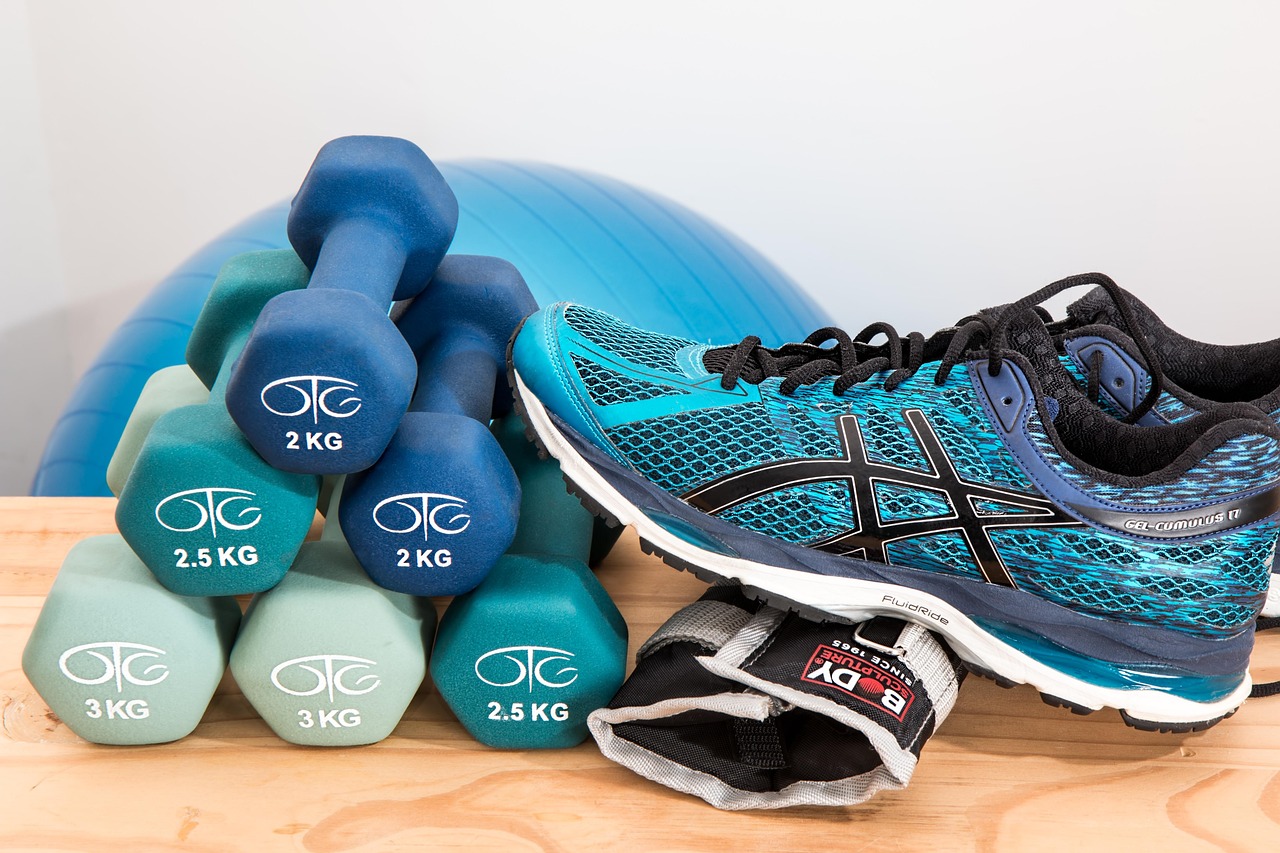
Aerobic movement gets much of the attention, but strength and mobility are also useful. They help people carry groceries, lift children, protect joints, and stay steady with age. Resistance bands can stay near a desk, and a yoga mat can support short mobility sessions at home. For retailers, compact home-fitness and recovery goods fit this daily-use pattern well because they do not need much space.
Can Better Sleep and Stress Habits Change Your Health?
Sleep is where many wellness plans start to fall apart. CDC National Center for Health Statistics Data Brief No. 559, published in 2026 using 2024 U.S. data, reported that 30.5% of adults slept less than 7 hours on average in a 24-hour period. The American Heart Association includes sleep in Life’s Essential 8 and says most adults need 7 to 9 hours each night for better cardiovascular health.
Seven to Nine Hours as a Target
You do not need an expensive sleep setup to begin. Pick a wake time that makes sense, then count backward. A steady sleep window helps the body read the routine. Keep the room cool, lower bright light late at night, and remember that alcohol can disturb sleep even if it makes you feel sleepy at first.
Calm Routines Before Bed
A bedtime routine should be plain and easy to repeat. Wash your face, brush your teeth, fill tomorrow’s water bottle, and put the phone away from the bed. Some people use herbal tea or a warm shower. The product itself matters less than the cue it gives: the day is ending.
Stress Checks During the Day
Stress often shows up as a tight jaw, skipped meals, endless scrolling, or snapping at someone over something small. Short checks can help before the pressure builds. Breathe slowly for one minute, walk outside, drink water, or write down the next task instead of holding ten tasks in your head. If stress feels constant or unsafe, speak with a qualified health professional. See also: baby&kids.
Which Wellness Products Are Worth Keeping Nearby?
Products cannot replace sleep, movement, or medical care. Even so, the right everyday items can make healthy choices easier. A useful wellness product earns its place because people use it often, understand it quickly, and are not misled about what it can do.
Water and Better Beverages
Keep water where people can see it. A reusable bottle on a desk works better than a loose plan to drink more later. Unsweetened tea, mineral water, and low-sugar electrolyte drinks can help when plain water feels boring. In hot climates, during travel, or for active jobs, portable hydration formats often become repeat-purchase items.
Simple Pantry Supports
A good pantry helps stop last-minute meals from turning into poor choices. Oats, tuna, beans, lentils, nut butter, whole grains, olive oil, broth, spices, and low-sugar sauces all help solve dinner. These items are not flashy, but they get used. For trade buyers, that steady use is often more important than a product that looks good online and then sits unopened.
Hygiene and Recovery Basics
Total wellness also includes basic products that people sometimes ignore until they run out. Toothpaste, floss, gentle soap, hand care, menstrual care, first-aid supplies, foot care, and simple recovery tools like heat packs all support daily comfort. These products are not side categories in a healthy home. They help people keep normal routines going with less discomfort and less disruption.
How Can You Build a Simple Total Wellness Plan?
A good plan should be clear enough to follow during an ordinary week. No spreadsheet is needed, unless you truly like spreadsheets. The aim is to choose a few repeatable actions, set up the home or workplace to support them, and watch the signals that matter.
A 7 Day Habit Audit
For one week, write down sleep time, movement minutes, vegetables or fruit servings, water intake, and stress level from 1 to 5. Do not judge the numbers while you collect them. Just look for patterns at the end of the week. Late coffee may be hurting sleep, or lunch without protein may be leading to evening snacks. The pattern usually shows where to start.
A Basket Built for Real Life
Build a weekly basket around your actual schedule, not an ideal version of yourself. The basket should help with the meals and routines that really happen in your home or workplace. Useful staples include:
- Two easy proteins for quick meals
- Two vegetables you will truly eat
- One whole grain or bean option
- One low-sugar drink choice
- One hygiene or recovery item that needs replacing
This short list keeps shopping focused. It also helps product teams think like consumers: the best item is the one that fits a real routine and gets used more than once.
Progress You Can Actually See
Track simple signs such as steadier energy, fewer skipped meals, better sleep timing, more walking minutes, and less reliance on sugary snacks. These signs are easier to notice than a perfect wellness score. If you have blood pressure, blood sugar, weight, or cholesterol goals, follow guidance from a licensed clinician. Lifestyle can support health, but personal medical decisions still need personal medical advice.
FAQ
Q1: What Is Total Health and Wellness? A: It is a whole-life approach that connects food, movement, sleep, stress care, hygiene, and daily product choices into one practical routine.
Q2: How Can Everyday Products Support Wellness? A: Useful products reduce friction. Water bottles, simple pantry foods, hygiene basics, low-sugar drinks, and recovery items make better habits easier to repeat.
Q3: Do You Need Supplements for Total Health and Wellness? A: Not always. Many people should focus first on food, sleep, and movement. Supplements may help in specific cases, but a health professional can guide safe choices.
Q4: What Is the Best First Step for a Busy Person? A: Start with one meal change and one movement habit. For example, add a protein-rich breakfast and walk 10 minutes after lunch for seven days.
Q5: How Long Does It Take to Notice Progress? A: Some changes, like better hydration or a steadier bedtime, may feel useful within days. Larger health markers usually need weeks or months of steady habits.