
What Does a Personal Care Attendant Do and When Should You Hire One?
What Does a Personal Care Attendant Do?
A personal care attendant helps a person get through daily routines that have become hard, unsafe, or too tiring to manage alone. In the wider personal care field, this work is closely tied to home-based support, elder care, disability support, and daily hygiene care. Depending on the state, agency, and care setting, you may also see this job called personal attendant, caregiver, direct care worker, or personal care aide.
The demand is easy to see in the labor data. The U.S. Bureau of Labor Statistics Occupational Outlook Handbook, last modified August 28, 2025, reported about 4,347,700 home health and personal care aide jobs in 2024, with projected growth of 17% from 2024 to 2034. That is far above the average for all occupations. For families, the point is simple: more people want help that lets them stay at home, keep their usual routine, and remain near familiar rooms, neighbors, pets, and local stores.
Daily Personal Tasks
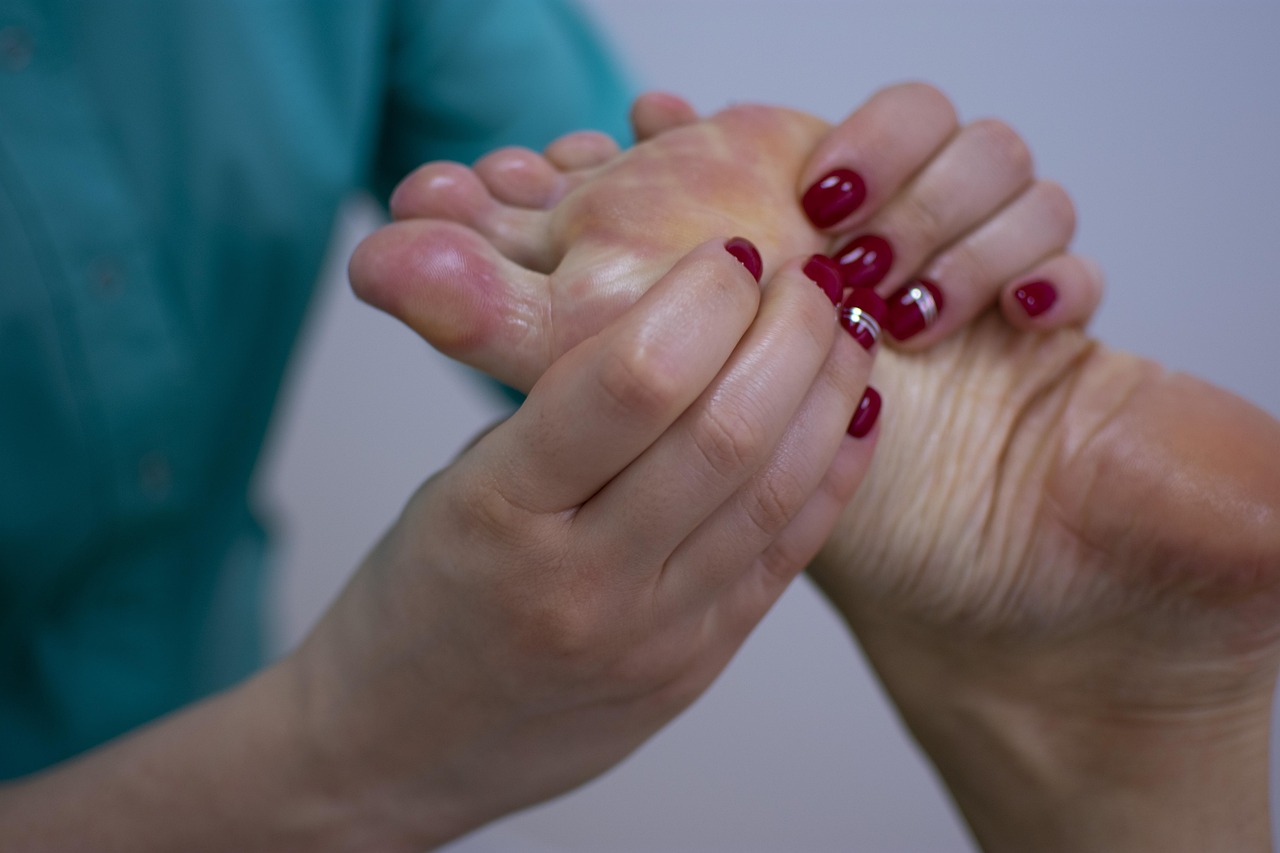
Personal care attendants often help with bathing, dressing, toileting, grooming, eating, and moving from a bed to a chair. These jobs may sound basic on paper, but in the home they can become difficult very quickly. A wet bathroom floor, a painful shoulder, or a rushed morning can turn a normal task into a fall risk. Good support is calm, respectful, and steady, especially during private care.
Home Support and Routines
Many attendants also help with light housekeeping, laundry, simple meal preparation, grocery lists, and appointment reminders. The BLS lists tasks such as washing dishes, vacuuming, arranging transportation, and helping clients stay connected with community life. In a real household, this can be as small as putting clean towels out before a shower or checking whether a favorite breakfast item needs to be bought. These small jobs keep the day moving and reduce pressure on family members.
Companionship and Safety Reminders
Companionship matters more than many care plans show. A personal care attendant may remind a client to drink water, use a walker, wear non-slip footwear, or call a family member after a medical visit. The job is not only hands-on help with personal tasks. It also adds routine, conversation, and one more person noticing changes in the home.
How Is a Personal Care Attendant Different from a Home Health Aide?
The difference usually comes down to medical tasks, supervision, and state rules. A personal care attendant is generally focused on nonmedical support. A home health aide may be allowed to help with some basic health-related services under the direction of a nurse or healthcare practitioner, depending on local regulations and agency policy. Families should check the rules in their own state instead of assuming every worker can do the same tasks.
Nonmedical Support
Personal care attendants usually help with activities of daily living and household routines. KFF, in a 2026 analysis using 2024 American Community Survey data, described personal care aides as workers who help older adults and people with disabilities with ADLs and IADLs, such as bathing, dressing, grocery shopping, meal preparation, and medication management reminders. In daily practice, this means the worker supports the routine but does not replace a nurse or clinician. That line is important when families are writing a task list.
Health Tasks by State
Some workers can check pulse, temperature, respiration rate, or help with simple prescribed exercises only when training, supervision, and state rules allow it. The BLS notes that home health aides may perform certain basic health-related services, while personal care aides are generally limited to nonmedical services such as companionship, cleaning, cooking, and driving. This is why agencies often ask detailed questions before assigning a worker. It protects the client, the family, and the attendant.
Care Plans and Supervision
If you hire through an agency, the attendant may follow a written care plan. If you hire privately, you may need to make a clear task list yourself. In either case, the work goes better when tasks are written in plain language. For example: shower help on Monday, Wednesday, and Friday; laundry every Tuesday; walk outside if weather permits.
When Should You Consider Hiring a Personal Care Attendant?
You do not have to wait for an emergency. Many families start looking for help after small signs show up more than once. Missed meals, laundry piling up, bruises from small falls, or unopened mail can mean the daily routine is slipping. It is usually easier to add support early than to rebuild confidence after an accident.
Changes in Hygiene
If bathing, dressing, shaving, hair care, or oral care becomes irregular, support may be needed. This can be a sensitive topic, so it needs to be handled with respect. A person may avoid bathing because the tub feels unsafe, not because they do not care. A patient attendant can make hygiene safer with grab bars, shower chairs, rinse-free cleansers, skin wipes, and a slower pace.
More Falls or Near Falls
Frequent stumbles, furniture-walking, or fear of getting up at night are warning signs. The attendant is not a replacement for clinical fall assessment, but daily support can cut down risky moments. Think about wet socks on tile, loose robe belts, clutter beside the bed, and the few seconds when someone rushes to the bathroom. Those are the moments where steady help matters.
Caregiver Fatigue at Home
Family caregivers often carry too much for too long. The Administration for Community Living 2023 Profile of Older Americans reported that about 28% of older adults living in the community, around 16.2 million people, lived alone in 2023. For many families, paid support fills gaps when relatives live far away, work full time, or need time to rest. It also helps keep care from becoming a constant source of stress at home.
How Can You Choose the Right Personal Care Attendant?
The right match depends on skill, trust, schedule, personality, and product habits. A good attendant does not rush private tasks, speaks clearly, records changes, and respects the person’s home. A résumé can help, but the real test is a normal Tuesday morning when the client is tired and the bathroom is cold. That is when patience and steady work habits show.
Clear Task Matching
Write down what you need before you interview anyone. Separate personal care, household tasks, transportation, companionship, and reminders. If transfer help is needed, say that clearly. If dementia support is needed, ask about past experience. Vague job posts usually bring vague answers, so it is better to be direct from the start.
Training and Background Checks
Training rules vary by role and location. PHI’s Direct Care Workforce Key Facts states that home health aides and nursing assistants have federal training requirements, including at least 75 hours of training and 16 hours of supervised practical training, while personal care aides have no federal training and competency requirement. That does not mean training is not important. It means families should ask what training the worker has completed and what tasks they are comfortable doing.
Communication With Family
Set a simple communication rule before care starts. A daily note can cover meals eaten, bathing, mood, skin changes, supplies used, and any unusual event. Do not make the attendant write a long report unless there is a real reason. Five useful lines are better than a perfect form nobody has time to read. See also: baby&kids.
Which Personal Care Products Make Daily Care Easier?
Products cannot replace a skilled attendant, but they make care cleaner, easier, and more comfortable. For fast-moving consumer goods in personal care, the most useful items are practical ones: absorbent products, gentle cleansers, gloves, wipes, skin creams, oral care items, hand soap, and surface cleaning basics. When these products are ready and easy to find, care takes less time and feels less stressful.
Skin Cleansing and Incontinence Supplies
Adult briefs, underpads, rinse-free body wash, soft wipes, and barrier creams can protect skin when bathing is not easy. The goal is comfort and dignity, not only cleanliness. A steady routine also reduces laundry stress and those last-minute store runs that always seem to happen at night. For attendants, having the right supplies in reach makes the job more consistent.
Hand Hygiene and Surface Care
Hand soap, sanitizer, disposable gloves, trash liners, and safe surface cleaners help reduce mess and support better hygiene. CDC public health guidance has long treated hand hygiene as a basic step for reducing germ spread. At home, the rule is simple: clean hands before food, after toileting help, and after handling soiled items. It is not complicated, but it needs to happen every shift.
Grooming and Comfort Items
Toothbrushes with easy-grip handles, mild shampoo, lip balm, nail files, combs, lotion, deodorant, and soft towels all matter. These are not luxury extras. They help a person feel like themselves and keep a normal care routine in place. Small comfort items can change the mood of the morning more than families expect.
What Costs, Training, and Workforce Facts Should You Know?
Hiring a personal care attendant is also a workforce decision. Pay, turnover, training gaps, and local worker supply affect the quality and stability of care. Public data will not answer every household question, but it gives useful background before you compare agencies, private hires, or consumer-directed programs. It also helps families understand why good coverage can be hard to find in some areas.
Pay and Job Growth
The BLS reported a May 2024 median annual wage of $34,900 for home health and personal care aides, equal to $16.78 per hour. It also projected about 765,800 openings each year on average from 2024 to 2034. For families, that means competition for dependable workers can be real. Weekend shifts, overnight care, and rural areas are often harder to staff.
Direct Care Workforce Pressure
KFF’s 2026 analysis reported 2.3 million direct care workers providing long-term care to older adults and younger people with disabilities in 2024, with 66% in home care settings. PHI also reported a 2024 median direct care wage of $17.36 per hour and noted that many workers face unstable schedules and limited career paths. Low pay can lead to turnover, and turnover hurts care. Families feel that when they have to explain the same routine to a new worker again and again.
Practical Budget Planning
Ask whether care is hourly, live-in, overnight, agency-based, private-pay, Medicaid-funded, or consumer-directed. Also ask who pays for gloves, wipes, transport, meals during shifts, and replacement supplies. These small items add up over time. A clean product shelf with labeled bins can prevent waste and keep the attendant focused on care instead of searching for the last clean washcloth.
FAQ
Q1: What Does a Personal Care Attendant Do? A: A personal care attendant helps with daily living tasks such as bathing, dressing, toileting, grooming, meals, light housekeeping, reminders, errands, and companionship. The exact task list depends on the care plan and local rules.
Q2: Is a Personal Care Attendant the Same as a Nurse? A: No. A personal care attendant usually gives nonmedical support. Nurses provide clinical care. Some home health aides may perform limited health-related tasks when trained and supervised, but rules vary by state.
Q3: When Is the Best Time to Hire a Personal Care Attendant? A: Consider help when hygiene slips, meals are missed, falls increase, medication routines become confusing, or family caregivers feel worn down. Early support often keeps home life safer and calmer.
Q4: What Products Should Be Ready Before Care Starts? A: Useful items include gloves, hand soap, wipes, absorbent products, underpads, barrier cream, mild cleanser, lotion, oral care items, towels, trash bags, and safe surface cleaners.
Q5: How Can You Find a Reliable Personal Care Attendant? A: Start with a clear task list, ask about training and experience, check references, discuss schedule needs, and set a simple daily communication system. If using an agency, ask how backup care works when the regular attendant is unavailable.