
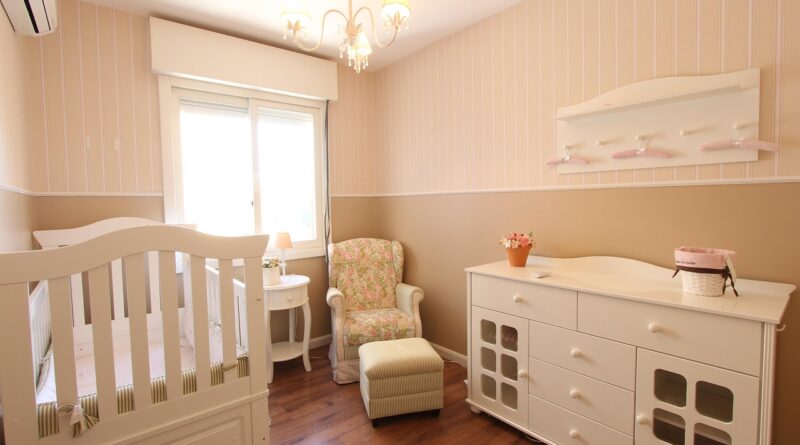
Which Baby Crib Is Safest for Your Nursery?
Why Does the Right Baby Crib Matter More than Style?
A baby crib is not just a large item for a nursery photo. It is where a baby may sleep through many naps, night wakes, early feeds, and 4 a.m. diaper changes. If you are comparing baby and kids essentials, check safety, fit, and daily use before color, curves, or matching drawers. The CDC reported about 3,700 sleep-related deaths among U.S. babies in 2022, so crib selection is not a detail to rush. (cdc.gov)
Separate Sleep Space From Day One
Your baby needs a sleep space made for infant sleep, not a sofa, lounger, adult bed, swing, or soft cushion. A crib gives the baby a firm, separate surface, and it still lets parents keep the baby nearby. The CDC says room sharing, not bed sharing, may cut SIDS risk by as much as 50%, ideally with the crib in your room until at least 6 months. (cdc.gov)
Federal Rules Behind the Frame
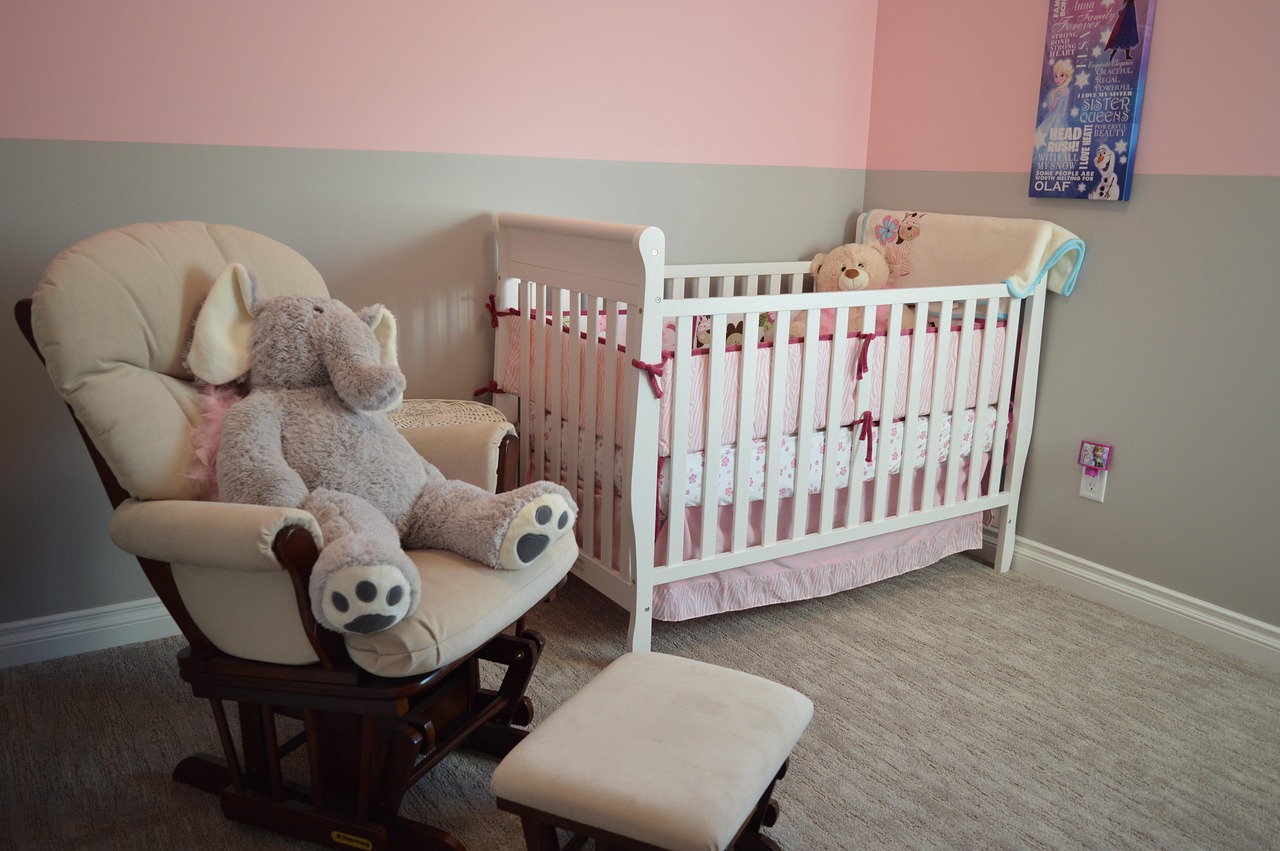
Product photos can hide a lot. A simple crib with straight slats may be a better choice than a decorated one with extra parts. In the U.S. market, full-size cribs are covered by CPSC rules under 16 CFR Part 1219, and non-full-size cribs fall under 16 CFR Part 1220. These rules cover structure, dimensions, hardware, labeling, and other points that buyers cannot check from one lifestyle image. (cpsc.gov)
Daily Habits That Keep Cribs Bare
Even a safe crib can become unsafe when it is filled with extra items. CPSC tells caregivers that a safe sleep space should contain nothing but a fitted sheet, and it warns against pillows, blankets, bumpers, and sleep positioners. That setup may look plain, but that is how it should look for sleep. A bare crib is also easier to check when a parent walks in half-awake at night. (cpsc.gov)
What Safety Standards Should a Baby Crib Meet?
Before you add any crib to cart, read the product page as if it were a safety file. Room photos can help with ideas, but the small details matter more. Look for the exact model name, manufacturing details, crib type, compatible mattress size, assembly instructions, and recall information.
Current CPSC Crib Rules
For full-size cribs, CPSC guidance defines the interior size as 28 inches wide, plus or minus 5/8 inch, by 52 3/8 inches long, plus or minus 5/8 inch. As of July 23, 2026, a Federal Register notice dated May 4, 2026 says ASTM F1169-25 is scheduled to become the mandatory full-size crib standard on August 1, 2026. This point matters for sellers, importers, and buyers planning long-term use in the U.S. market. Keep the standard number and model documents on file, because they are useful when checking compliance later. (cpsc.gov) (govinfo.gov)
Mattress Size and Gap Checks
A crib mattress should fit tightly and should not slide around inside the crib. CPSC mattress rule materials list a full-size crib mattress minimum of 27 1/4 inches wide by 51 5/8 inches long. For non-full-size cribs, the supplied mattress should leave no more than a 1/2 inch gap at any point when centered, according to CPSC rule discussion. If the gap looks too large, do not fill it with towels or folded fabric. Use a mattress with the correct fit instead. (cpsc.gov)
Recall Checks Before Every Purchase
Secondhand cribs can look like a good deal, especially when a friend offers one at no cost. The problem is that missing screws, old drop-side designs, cracked slats, and unknown repair history are not always easy to see at first. Check the model number and date label, then search recall records before use. If the label is missing, the crib is hard to verify, and it is reasonable to walk away.
Which Baby Crib Type Fits Your Room and Routine?
No crib type works for every home. A city apartment, a grandparent room, and a full nursery all have different space limits. The right choice is the crib that meets safety rules, fits the room, works with a proper mattress, and still leaves room for a tired adult carrying a baby.
Full Size Crib for Long Use
A full-size crib is a common choice because it gives the baby more sleeping space and works with standard crib mattresses. It is a good fit when the crib will stay in one room for a few years. For many families, it also makes sheet buying easier because standard fitted crib sheets are easy to find. Measure doorways before delivery, as that small check can prevent a frustrating setup day.
Mini Crib for Small Rooms
A mini crib can help when space is tight or when the baby sleeps in the parents’ bedroom for the first months. It can also work for a vacation home, caregiver room, or small apartment. The main tradeoff is mattress matching. Mini cribs do not follow one universal size, so the mattress should be approved for that model or clearly listed as compatible. A larger mattress is not safer if it bends, lifts, or bunches.
Convertible Crib for Toddler Years
A convertible crib can change into a toddler bed, daybed, or sometimes a full-size bed with extra rails. That can be useful, but buyers should read the details before paying more. Conversion kits are often sold separately, and matching colors may be discontinued later. If you choose this type, keep the manual, extra bolts, and rail information in a labeled bag. It saves time when the child is ready for the next setup.
What Mattress and Bedding Choices Are Safest?
The mattress and bedding matter as much as the crib frame. Safe sleep guidance is not about making the crib look empty for decoration. It is meant to reduce soft surfaces, loose fabric, wedging points, and airway risks. A newborn does not need a pillow to feel comfortable.
Firm Flat Mattress
Choose a firm, flat mattress that springs back when pressed. The CDC advises a firm, flat, non-inclined sleep surface in a safety-approved crib, covered only by a fitted sheet. Soft surfaces may feel comfortable to adults, but they can increase sleep-related death risk for babies. If a mattress sags in the middle or folds at the edges, do not use it for infant sleep. (cdc.gov)
Fitted Sheet Only
The fitted sheet should hold tight around the corners and should be made for the mattress size. Loose sheets can bunch near the baby’s face. Decorative quilts, plush toys, pillows, nests, and bumpers should stay outside the crib during sleep. The Safe to Sleep program states that bumpers are not needed now that cribs must meet safety standards, and that they can increase risks such as suffocation and wedging. (safetosleep.nichd.nih.gov)
Warm Clothing Instead of Loose Bedding
If the room feels cool, dress the baby in suitable sleep clothing instead of adding a loose blanket. A wearable sleep sack can be useful when it is the right size and is used according to its label. Avoid weighted blankets or weighted swaddles, as CPSC warns against them for infant sleep spaces. Also check room temperature during regular care. If the baby is sweating or flushed, the room or clothing may be too warm. See also: Buying Guides.
How Should You Set Up and Use a Baby Crib at Home?
Good setup is not a showy part of nursery planning, but it is where many safety issues are avoided. Assemble the crib with enough light, enough floor space, and no rush. It may sound basic, yet the wrong screw in the wrong hole can make the frame loose, and a product photo will never show that.
Correct Assembly and Hardware Checks
Use the manual for the exact crib model. Do not guess just because another crib looked similar online. Tighten hardware as directed, then check it again after a few weeks of use. Babies kick, roll, and pull more as they grow, so small movement can loosen parts over time. If a screw is missing, contact the manufacturer for the correct part instead of using a random hardware-store screw.
Safe Room Placement
Place the crib away from windows, blinds, curtain cords, heaters, lamps, wall shelves, and reachable mobiles. Once a baby can pull up, nearby items can become handholds or hazards. Keep the monitor cord well away from the crib, even if it looks out of reach. Babies often reach more than adults expect, usually at the worst time.
Mattress Height Changes as Baby Grows
Many cribs offer several mattress-height positions. The highest setting can help an adult’s back during the newborn stage, but the mattress should be lowered before the baby can sit, pull up, or climb. Check the manual for timing and limits. If the baby starts practicing new movement in the crib, change the height that same day rather than waiting for the weekend.
What Should Buyers Check Before Adding a Baby Crib to Cart?
A good baby crib purchase is a mix of safety checks and practical buying sense. Buyers need clear product details, stable materials, clean finishes, usable after-sales support, and sizing that matches the mattress and room. A low price is not really low if the crib has to be replaced after one month.
Materials and Finish Details
Look for smooth surfaces, firm joints, and coatings that meet applicable children’s product rules in your market. Painted finishes should not chip easily, and wood parts should not show cracks or splinters. If the crib has fabric or mesh sides, read the 2026 CPSC update closely because the new full-size crib standard adds safety-related requirements for mesh and fabric-sided products. This is a point importers and retailers should check before confirming a shipment. (govinfo.gov)
Real Measurements and Compatibility
Compare the crib footprint with the room before buying. Leave space to open drawers, stand beside the crib, and lift the baby without hitting a wall. Check the mattress dimensions, sheet size, and conversion-kit details. For exporters and retailers, list measurements in inches and centimeters so buyers do not have to guess. Clear sizing helps reduce returns and worried messages after delivery.
Returns, Spare Parts, and Manuals
Save the receipt, registration card, and manual. Registering the crib can help you receive safety notices. Check whether the seller offers spare hardware, replacement teething rails, and conversion kits. If you are buying for a nursery business, daycare, or rental property, keep a simple inspection log. It is not a fancy document, but it shows the crib has been checked, is complete, and is ready for safe use.
FAQ
Q1: When Should a Baby Start Sleeping in a Baby Crib? A: A baby can sleep in a safety-approved crib from birth if the mattress is firm, flat, and covered only with a fitted sheet. Many parents place the crib in their room for the first months.
Q2: Is a Used Baby Crib Safe? A: It can be safe only if it meets current safety rules, has no recalls, includes all original parts, and shows no damage. Avoid old drop-side cribs or any crib with missing labels.
Q3: Can You Put Toys in a Baby Crib? A: No, not for sleep. Keep toys, pillows, quilts, bumpers, blankets, and positioners out of the crib. Use the crib for the baby, the mattress, and a fitted sheet.
Q4: What Is the Best Mattress for a Baby Crib? A: The best choice is firm, flat, correctly sized, and approved for the crib model. It should not sag, fold, or leave large gaps around the edges.
Q5: Are Mini Cribs as Safe as Full Size Cribs? A: A mini crib can be safe when it meets the right standard and uses the correct mattress. There is no reliable public data showing that mini cribs are safer than full-size cribs, so focus on compliance, fit, and proper use.