
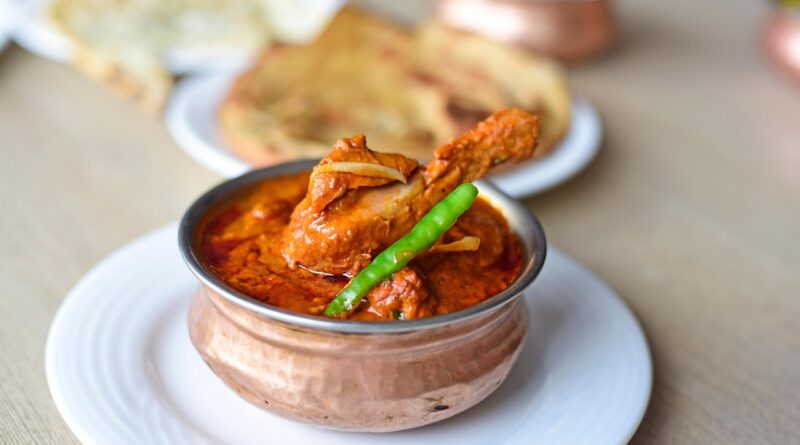
Why Is Indian Food Becoming a Global Grocery Staple?
If you buy, sell, or source fast moving consumer goods, Indian food now needs a place in the category discussion. It is not just a restaurant order or a small ethnic aisle item anymore. Spices, rice, sauces, snacks, ready meals, chutneys, pickles, and frozen foods are coming up more often in retail meetings. For more category ideas across global grocery and beverages, visit the Food & Beverages section.
Bold Flavor in Everyday Formats
Indian food fits FMCG because it puts strong taste into simple formats. A shopper can add garam masala to lentils, heat a ready dal pouch, serve mango chutney with grilled chicken, or use tikka sauce with vegetables. This kind of use matters at shelf level because one item can work in more than one kitchen. It may be used by a student, a family cooking after work, or a buyer who only wants an easy dinner.
Export Numbers Behind the Shelf
Public trade data helps explain why buyers keep watching this category. APEDA reported that India’s agricultural products contributed US$51.91 billion to India’s merchandise exports in 2024-25, while APEDA monitored products accounted for US$27.90 billion. Non basmati rice, basmati rice, and spices together reached about US$16.92 billion in that same top commodity list. Source: APEDA Farmer Connect Portal, 2024-25. The point is simple: Indian food has both consumer interest and export volume behind it.
A Category That Travels Well
Some cuisines need fresh service to work well, but Indian food can move in dry, frozen, chilled, and shelf stable forms. That gives importers, distributors, and retailers more ways to build the range. Spices and rice can ship in larger volumes, while sauces and meal kits can bring better value per unit. Frozen naan, samosas, and ready meals can also fit stores that already carry global frozen dinners.
What Do Global Buyers Look for in Indian Food?
Most buyers do not start with the story of the cuisine. They look first at movement, margin, compliance, and repeat purchase. Indian food can meet those needs when the product is easy to explain and easy to place on shelf. A good recipe will not fix a front label that confuses shoppers or an ingredient list that creates extra questions.
Familiar Anchors Like Rice and Spices
Rice and spices are often the safer starting points for a new range. Basmati rice gives shoppers a clear promise: long grain, aroma, and fluffy cooking. Spice blends also support repeat purchase because one small jar can season many meals. The Directorate of Arecanut and Spices Development, citing Spices Board data, reported India exported 1,539,692 MT of spices and spice products worth ₹36,958.80 crore, about US$4.464 billion, in 2023-24. Source: DASD and Spices Board India, 2023-24. For buyers, this scale makes sourcing talks more practical.
Convenience Without Losing Character
Convenience does not have to mean a flat taste. A ready meal can still taste like rajma, chana masala, or sambar if the seasoning and texture are handled properly. Mintel reported in 2024 that instant noodles, pasta, and soups had over 61% penetration in India, and consumers were looking for healthier options with more desi flavors. Source: Mintel, 2024. That data comes from India, but it gives a useful sign for export buyers too: shoppers want faster formats, yet they still expect familiar taste.
Clear Labels for Fast Decisions
A supermarket buyer may scan hundreds of items in one review. A shopper may give the pack only a few seconds before moving on. Plain label cues help, such as mild, medium, hot, vegetarian, vegan, gluten free, microwave ready, serves two, and cooks in ten minutes. These claims still need to be true and compliant in the target market. The main job is to make Indian food easy to understand before the first purchase.
Which Indian Food Products Fit FMCG Channels Best?
The best Indian food line depends on the channel and the shopper. Club stores may prefer bulk rice and larger sauce jars. Convenience stores may do better with snacks. Online grocery can support smaller regional items because shelf space is digital. If you handle several markets, build the range in layers instead of showing a buyer fifty SKUs at the first meeting.
Spice Blends With Repeat Use
Spice blends are small, light, and easy to buy again. They also teach the shopper what the product is for. A biryani masala, pav bhaji masala, chaat masala, or tandoori seasoning can explain the meal idea in one jar. For export, flavor is only one part of the work. You also need clean grinding, metal detection, allergen control, pesticide residue checks where needed, and tight moisture control. A clumped spice jar looks poor on shelf even if the formula is good.
Rice and Grain Lines With Clear Grades
Rice can bring high volume, but the product name needs to be exact. Basmati, sona masoori, parboiled rice, broken rice, and millet blends serve different buyers and different homes. APEDA listed major 2024-25 export destinations for Indian rice including Saudi Arabia, Benin, Iraq, Iran, Guinea, Côte d’Ivoire, the United Arab Emirates, and Togo. Source: APEDA rice export requirements page, 2024-25. This points to wide demand across regions, not only Indian diaspora markets.
Ready Meals, Snacks, and Sauces
Ready meals, snacks, and simmer sauces often create the first trial in this category. A shopper may hesitate over a full spice kit, but a butter chicken sauce or dal makhani pouch feels easier to try. Snacks such as masala chips, lentil crisps, and spiced nuts also connect Indian taste with familiar snacking habits. These items need strong pack integrity because oil, spice dust, and sauce stains can hurt shelf appeal quickly.
How Can You Source Indian Food With Less Risk?
Sourcing Indian food is not only about getting the lowest factory price. Food buyers have to check food safety, documents, lead time, pack strength, and destination market rules. A cheap quote can become costly if labels need to be changed, cartons collapse, or inspection papers are missing. It is better to ask the dull questions early than fight the same problems after shipment.
Certificates Matched to Each Market
Start with the target market and then work backward. The United States, European Union, Gulf countries, and Southeast Asian markets can ask for different documents, label rules, residue limits, and facility controls. Common checks may include HACCP, BRCGS, ISO 22000, FSSAI registration in India, organic certification if claimed, and halal certification for certain channels. Do not treat certificates as decoration for a sales deck. Match them to the buyer’s actual import route and retail channel.
Supplier Checks Before Price Talks
Before pushing for a better price, ask basic operating questions. What is the monthly capacity? Which export markets does the supplier already serve? Can it provide recent lab reports from accredited labs? How are allergens handled? What is the recall process? A serious supplier answers with files and records, not loose promises. This part can feel slow, but it may save months later. Buyers usually remember problems longer than discounts.
Batch Records That Buyers Can Read
Traceability should be easy for a buyer to read without a long explanation. Batch code, production date, best before date, ingredient lot numbers, lab test reference, and packing line details should connect clearly. This matters a lot for spices, sauces, and ready meals, where one small ingredient can affect the full batch. A clean batch file does not improve the taste, but it makes the business safer for both sides. See also: baby&kids.
How Should Indian Food Packaging Speak to Shoppers?
Packaging has two jobs. It must protect the product, and it must make the product feel easy to buy and use. Indian food sometimes misses the second job because the pack assumes shoppers already know every dish. Some shoppers do, but many do not. Good packaging respects the cuisine while helping a first time buyer cook without stress.
Simple Cooking Cues on the Front
Front panels should answer the small questions first. Is it a sauce, side dish, main dish, snack, or seasoning? How hot is it? How many servings are inside? Is it microwaveable? Does it pair with rice, naan, noodles, eggs, grilled meat, or vegetables? A front label that says “heat and eat dal, serves two, mild spice” can sell faster than a long restaurant-style line. Not every pack needs big menu language.
Regional Names With Plain English
Regional names add value, but plain English helps trial. “Chole” can become “Chickpea Curry.” “Poha” can become “Flattened Rice Breakfast Mix.” “Thepla” can become “Spiced Flatbread.” The Indian name does not need to be removed. Put the simple description beside it, and the shopper can decide faster.
Portion Sizes Built for Real Kitchens
Portion size should match the way people actually eat. A 300 g ready meal may work for one adult lunch, while a 450 g sauce jar can suit a family dinner. A 1 kg rice pouch may feel safe for trial, and 5 kg works better for loyal households or club channels. This sounds basic, but good products often struggle when the pack size fits the factory better than the kitchen.
What Trends Can Shape the Next Indian Food Shelf?
Indian food sits close to several wider food trends: bold spice, plant rich meals, convenience, global frozen dinners, and cleaner everyday cooking. The opportunity is real, but it is not automatic. Brands still need the right price, taste, pack, and supply control. Even so, the category is worth tracking closely.
Spicy Flavor With a Health Lens
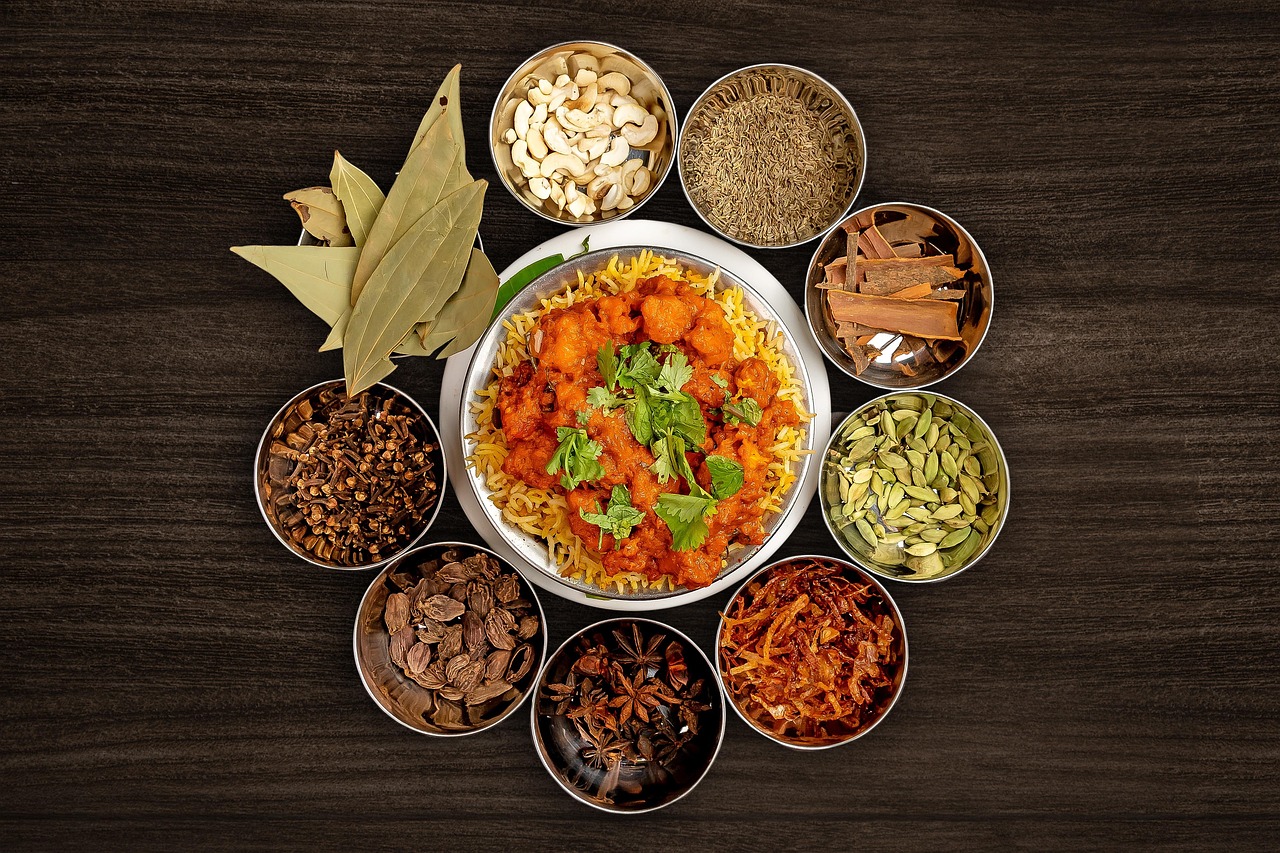
Spicy food is not only about heat. Indian flavors also bring sour, sweet, smoky, creamy, earthy, and tangy notes. Turmeric, cumin, coriander, mustard seed, chili, ginger, and cardamom all help build taste in layers. Datassential reported that 30% of U.S. consumers love or like Indian cuisine, while Thai cuisine stood at 42%, with Indian still in an adoption stage. Source: Datassential, Indian cuisine in America report. That gap leaves room for growth if the products feel easy to try.
Plant Rich Meals for Flexitarian Baskets
Indian food has a natural fit with plant rich eating. Lentils, chickpeas, beans, peas, spinach, eggplant, cauliflower, okra, and potatoes are not substitutes in many Indian dishes. They are the main part of the meal. This helps brands speak to vegetarian and flexitarian shoppers without making the product feel forced. A chana masala pouch or sambar cup can sit in a modern plant based set and still taste like normal comfort food.
Frozen and Shelf Stable Growth
Frozen global meals are getting more attention in the United States. Food Technology magazine reported that Conagra’s 2025 frozen food report put the U.S. frozen meals market at US$28.9 billion, citing Circana, and noted that Indian, Cajun, and Japanese were among the fastest growing globally inspired frozen meals. Source: Institute of Food Technologists Food Technology, 2025. For Indian food suppliers, the route is practical: make trial easy, keep taste close to the dish, and meet retail specs.
FAQ
Q1: Is Indian food a good FMCG category for export? A: Yes, if the product has clear demand, strong shelf life, correct documents, and packaging that explains use quickly. Rice, spices, sauces, snacks, and ready meals are common entry points.
Q2: Which Indian food products are easiest for first time buyers? A: Spice blends, basmati rice, simmer sauces, chutneys, ready dal, frozen naan, and samosas are often easier because shoppers can quickly see how to use them.
Q3: What is the biggest sourcing risk with Indian food? A: The biggest risk is usually weak documentation, not flavor. Check lab reports, allergen controls, batch records, label rules, and market specific certificates before placing large orders.
Q4: How can Indian food packaging increase trial? A: Use plain cooking cues, spice level icons, serving size, short preparation steps, and English descriptions beside regional dish names. Make the first purchase feel simple.
Q5: Does Indian food only sell to Indian diaspora shoppers? A: No. Diaspora demand can build the base, but broader growth comes from mainstream shoppers who want bold global flavor, convenient meals, and plant rich choices.