
What Makes German Food a Smart Choice for Global Food and Beverage Buyers?
What Makes German Food Worth Watching Right Now?
German food has a straightforward pull: filling flavors, trusted labels, neat packs, and products that shoppers already know how to use. If you sell in Food & Beverages, it can add both comfort and trust to your range. This category is not only about old recipes. It sits inside one of Europe’s key grocery markets, where price, taste, health, and origin all matter at the same time.
A Large Market With Export Discipline
According to the USDA Foreign Agricultural Service report Germany Food Processing Ingredients Annual, released in March 2026, Germany is the largest food and beverage market in the European Union, with 83.5 million consumers. The same report says Germany produced about EUR 232.7 billion in processed food and drinks in 2024, while roughly 36 percent of food and beverage products were exported. For buyers, that export share is worth noting. Many German suppliers are used to product specs, logistics, documents, shelf-life checks, and demanding retail customers.
Taste Still Comes First
The BMLEH Nutrition Report 2024 gives a useful market reminder. In that survey, 99 percent of respondents said good taste was important or very important when eating, while 91 percent named health. So German food cannot sell on tradition alone. A smoked sausage, rye bread, mustard, broth, or chocolate biscuit still has to taste right in a normal weekday meal, not only in an Oktoberfest display. For buyers, sampling is not a box to tick; it is where the real selection work happens.
Regional Food Carries Real Commercial Weight
Germany is federal, regional, and often very local in the way people talk about food. Bavaria, Swabia, Franconia, the Rhineland, Saxony, and the North Sea coast all bring their own food styles. The BMLEH Nutrition Report 2024 says 77 percent of respondents pay attention to regional origin when shopping. This does not mean every export pack needs a small village story on the front. It does mean that origin claims, regional styles, and producer background can help a shelf item feel less generic.
Which Classic German Foods Build the Category?
Classic German items work best when they are treated as everyday foods, not display pieces. The useful products are simple: bread for breakfast, mustard for sandwiches, sauerkraut for meat or bowls, biscuits for coffee, and sauces for quick dinners. A German range can start small and still look complete.
Bread as a Daily Anchor
Germany’s bread culture is a real selling point. Germany Travel, citing the German Bread Institute, states that more than 3,000 types of bread and baked goods are sold in Germany every day, and German bread culture has been recognized as intangible cultural heritage since 2014. This gives buyers a strong base for rye bread, pumpernickel, pretzels, crispbread, seed loaves, and baking mixes. From retail experience, dense rye bread can look too dark to some shoppers until it is shown with cheese, ham, smoked fish, or breakfast serving ideas.
Sausages and Meat With Local Identity
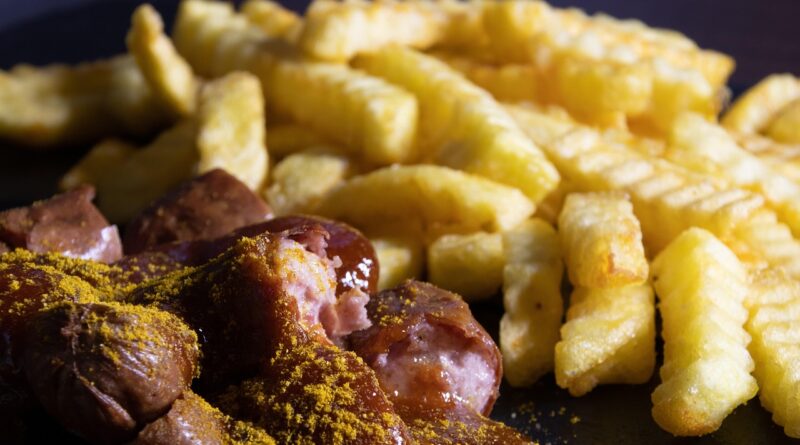
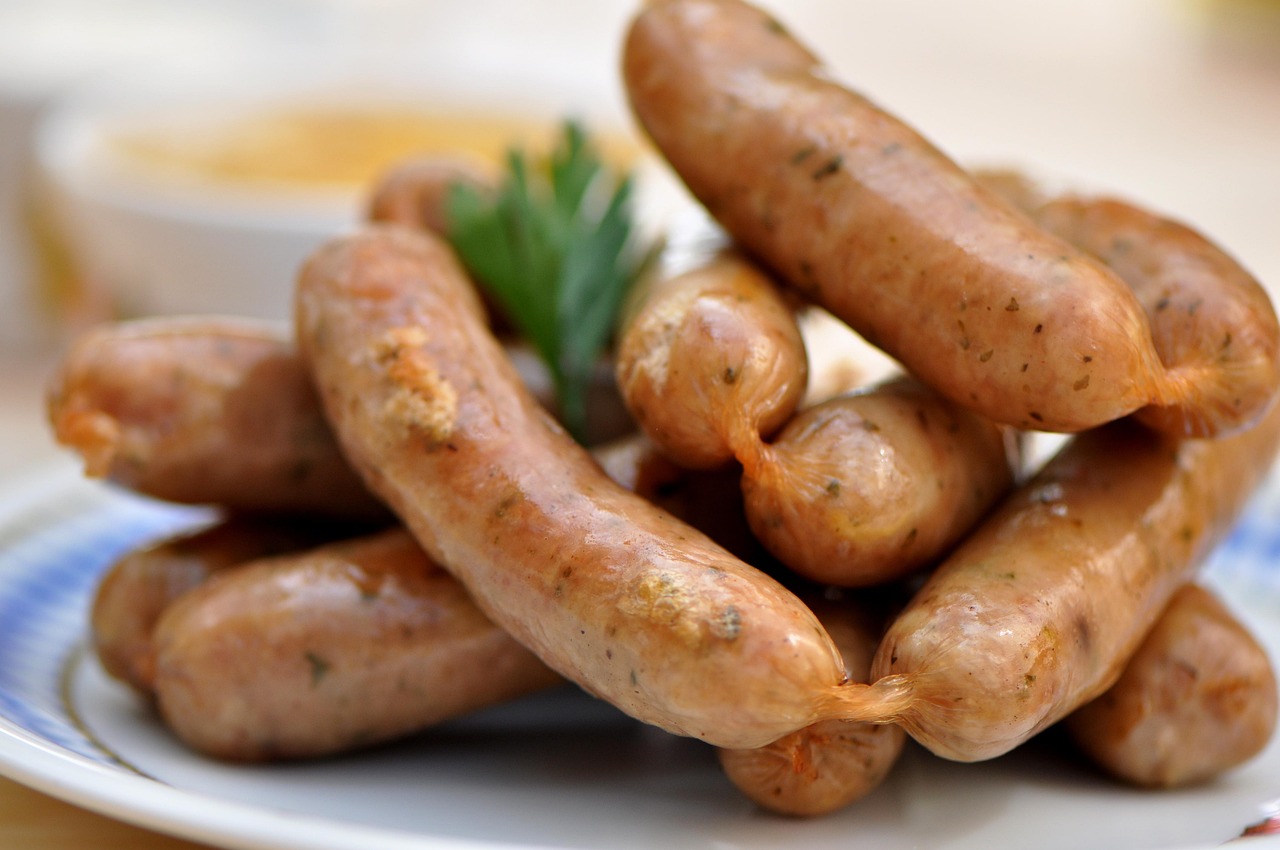
Sausage is the easy entry point into German food, but it is not one single product. Bratwurst, currywurst, weisswurst, bockwurst, liver sausage, salami-style snacks, and sliced cold cuts all fit different eating moments. The USDA FAS report lists meat and meat products as the largest segment of German food processing in 2024, with a 21.3 percent share. The right range choice is not always the most famous name. It is the item that fits your cold chain, cooking habits, and local price point.
Pickles, Cabbage, Potatoes, and Pantry Staples
German pantry foods can sell quietly and keep moving. Sauerkraut, red cabbage, gherkins, potato dumpling mixes, spaetzle, mustard, horseradish, gravy bases, and soup mixes bring repeat use. These items also travel better than many chilled products. They work for home cooking and restaurant prep. If your shoppers already buy grilled meats, deli items, or ready meals, these side products can raise basket value. They do not ask the customer to learn a whole new cuisine.
How Does German Food Fit Modern Consumer Trends?
German food may look traditional from the outside, but the market behind it is changing. Buyers now see more demand for organic goods, clearer labels, meat-reduced meals, convenience, and better nutrition. The plain lesson is that heritage sells better when it fits current eating habits.
Organic Demand Keeps Growing
The USDA FAS organic market report published in January 2026 says Germany is Europe’s largest organic market and the world’s second-largest after the United States. It reports EUR 17 billion in organic sales in 2024, up 5.7 percent from the previous year, with 2025 projected at EUR 18.7 billion. For German food assortments, organic works well in shelf-stable items such as tea, cereals, baby food, pasta, sauces, snacks, and pantry vegetables. Premium meat can also work, but the price gap needs careful checking.
Plant-Based Choices Move Into the Mainstream
German cuisine has a long meat tradition, but today’s shopper is not fixed in that pattern. The BMLEH Nutrition Report 2024 says 39 percent of respondents buy vegetarian or vegan alternatives to animal products more often, up from 29 percent in 2020. Destatis also reported that Germany produced about 1.5 kilograms of meat substitute products per person in 2024. That is still small compared with meat, but it shows the category is no longer a small corner for specialists.
Convenience Without Losing Familiar Flavor
Convenience needs to feel normal, not cheap or lazy. Ready spaetzle, currywurst sauce, jarred red cabbage, potato salad, frozen pretzels, and baking mixes all suit busy households. The USDA FAS March 2026 report notes that German consumers look for convenience foods that still answer health and sustainability demands, without giving up taste. This is a good fit for German food: familiar formats, strong flavors, and easy cooking steps for a Tuesday night dinner.
What Should Buyers Know About German Food Quality Signals?
Quality cues are a big part of the category. German products often compete through clear standards, not loud claims. Buyers need to understand the label story before the shopper sees it. If a claim is unclear, trust slows down. If it is specific, it can help the product support a higher shelf price.
EU Geographical Indications
The European Commission’s geographical indication system protects names linked to a place, method, or reputation through schemes such as PDO and PGI. For German food, examples listed by German and EU sources include names such as Schwäbische Spätzle, Nürnberger Lebkuchen, Allgäuer Bergkäse, Thüringer Rostbratwurst, Beelitzer Spargel, and Westfälischer Knochenschinken. These marks are useful because they make origin a checked claim, not just a nice phrase. They are not decoration. They are part of the product identity and should be handled correctly on pack and in sales material.
Organic, Regional, and Animal Welfare Labels
Labels matter in Germany because many shoppers look for them before buying. The BMLEH Nutrition Report 2024 says attention to the animal welfare label rose from 36 percent in 2015 to 65 percent in 2024, while attention to the organic seal rose from 47 percent to 59 percent over the same period. For export buyers, labels can help a product stand out, but only when the certification is valid in the selling market and the pack explains it in plain language.
Clean Recipes and Clear Product Information
Ingredient panels should be simple, readable, and matched to the product promise. If a mustard is positioned as traditional, a long additive list feels out of place. If a ready meal is positioned for busy families, cooking instructions must be quick and easy to find. This sounds basic, but many shelf decisions are basic. A shopper may give the pack only a few seconds. They may be holding a phone, a basket, and a child’s snack at the same time. See also: baby&kids.
How Can You Build a Practical German Food Assortment?
A good German food range does not need to be huge. It needs a clear job. You can build around breakfast, grilling, deli, winter comfort meals, bakery, organic pantry, or beer-adjacent snacks. The best sets usually mix known classics with one or two discovery items.
Start With Fast-Moving Core Items
Begin with products that need little explanation. Mustard, pickles, sauerkraut, chocolate, biscuits, pretzels, rye bread, sausages, and dumpling mixes are easy starting points. A simple entry set could include:
- One everyday mustard and one premium regional mustard
- One sauerkraut or red cabbage line for dinner use
- One bread or pretzel product for the bakery shelf
- One sweet biscuit, gingerbread, or wafer for coffee time
Add Seasonal and Premium Lines
Seasonal German food can perform well when the timing is right. Christmas brings stollen, lebkuchen, marzipan, spiced cookies, mulled wine ingredients, and gift tins. Spring can support asparagus-style sauces and lighter pantry products. Autumn is good for cabbage, mushrooms, soups, and roasted flavors. Premium lines should not feel random. Link them to a season, region, or eating moment, so the shopper has a clear reason to pay more.
Match Pack Sizes to Real Use
Pack size can decide whether an imported food line works or stalls. A large jar of red cabbage may work for food service but sit too long in a small household. A sausage pack may need two-person sizing in urban markets. Biscuits and pretzels can use resealable or portioned packs. If you sell to convenience stores, smaller packs matter even more. German food is filling, but modern shopping baskets are often small.
What Risks Can Affect German Food Sourcing?
German suppliers are often strong on process, but no food category is risk-free. Before placing a large order, check price movement, shelf life, labeling rules, storage needs, and whether the taste profile fits your market. It is better to find a problem in a pilot order than after a full container has landed.
Price Pressure in a Discount-Heavy Market
Germany is known for discount retail, and that shapes how suppliers work. The USDA FAS March 2026 report describes Germany as price-focused, highly competitive, and strongly influenced by discounters. This can help buyers find good value. It can also squeeze margins. If you buy only on the lowest price, you may lose the quality cue that made the product worth importing.
Compliance and Traceability Work
Food imports need careful paperwork. Ingredients, allergens, nutrition panels, claims, veterinary rules, and packaging language all need review. The USDA FAS report notes that traceability requirements and non-tariff barriers can make exporting to Germany complicated, and the same lesson applies when German products move into other markets. A reliable supplier should provide certificates, product sheets, and batch records without making it a fight.
Shelf Life, Cold Chain, and Taste Drift
Not every good German food item travels in the same way. Chilled sausages, dairy, fresh bakery, and frozen pretzels need tighter handling than jars or dry mixes. Flavor can change as well. Mustard heat, bread texture, and spice balance may shift after long storage. Ask for shelf-life studies and run your own arrival checks. A product can be authentic and still be the wrong fit for your route.
FAQ
Q1: Is German Food Only About Sausages and Beer? A: No. Sausages and beer are famous, but German food also includes breads, cakes, pickles, mustards, dairy, noodles, dumplings, soups, organic pantry items, confectionery, and modern plant-based products.
Q2: What German Food Products Are Best for First-Time Buyers? A: Start with shelf-stable and easy-to-use items such as mustard, sauerkraut, red cabbage, pickles, pretzels, biscuits, rye bread, dumpling mixes, and sauces. They are easier to explain and often easier to ship.
Q3: Do Organic German Food Products Have Real Demand? A: Yes. USDA FAS reported EUR 17 billion in German organic sales in 2024, with continued growth expected for 2025. Organic works especially well in dry grocery, snacks, baby food, cereals, tea, and pantry staples.
Q4: How Important Are Regional Claims for German Food? A: They can matter a lot. BMLEH survey data from 2024 shows many German shoppers pay attention to regional origin, and EU or national quality schemes can make regional names more credible.
Q5: What Is the Biggest Mistake When Selling German Food Abroad? A: Treating it only as a novelty. German food sells better when you connect it to real eating moments: breakfast bread, grilling, lunch snacks, winter meals, coffee breaks, holiday gifts, or quick weeknight dinners.