

Is a Wellness Club the Smartest Way to Build Healthy Everyday Habits?
Why Is a Wellness Club Becoming a Daily Health Choice?
A wellness club is not just a gym with softer lights anymore. For many members, it is a useful place to build habits around movement, food, sleep, stress care, and community. If you read health topics on Health & Wellness, you have likely seen the same change. People want routines they can keep on workdays and weekends, not strict plans that fall apart after two weeks.
Wellness as a Bigger Lifestyle Market
This is not a small side market. The Global Wellness Institute reported in its 2025 Global Wellness Economy Monitor that the global wellness economy reached about $6.8 trillion in 2024, covering sectors such as physical activity, healthy eating, mental wellness, personal care, and wellness tourism. That figure matters because a club often brings these habits into one place, with classes, coaching, products, education, and social support under one roof. Source: Global Wellness Institute, 2025. (globalwellnessinstitute.org)
Daily Habits Beat Big Resolutions
A good club does not need big promises to be useful. It helps members repeat the basics, such as walking more, eating better lunches, drinking water, resting on time, and spending time with people who treat health as normal. That may sound plain, but plain routines often last. A 30-minute class after work, a quick body scan, or one simple snack change can do more over six months than a hard seven-day challenge.
Community Makes Change Easier
Health routines are easier to keep when someone expects to see you. A wellness club gives that bit of social pressure, but it does not have to make every visit feel like a contest. You may join for yoga at first, then keep coming because the front desk knows your name. The coach remembers your knee issue, and Thursday evening starts to feel like part of the week instead of another task.
What Should a Good Wellness Club Include?
Before paying a membership fee, look beyond the photos. A useful club should support the daily choices that affect your health. Nice machines are fine, but clear programs, trained staff, and practical guidance usually bring more value than a place that only looks costly.
Movement Programs for Different Levels
Movement programs should work for beginners, busy parents, office workers, older adults, and people coming back after a break. The World Health Organization says 31% of adults worldwide were physically inactive in 2022, meaning they did not meet the global recommendation of at least 150 minutes of moderate-intensity physical activity per week. WHO also estimates that physical inactivity could cost public health systems about $300 billion between 2020 and 2030 if activity levels do not improve. Source: World Health Organization, 2024 fact sheet. (who.int)
Food Guidance That Feels Practical
Nutrition support should be simple enough to use in a supermarket, airport, or lunch shop. Harvard T.H. Chan School of Public Health describes a healthy plate as one built around colorful vegetables, fruits, whole grains, healthy protein, and water instead of sugary drinks. A wellness club can make that advice easier to use through meal demos, label reading sessions, better vending choices, or short member guides. Source: Harvard T.H. Chan School of Public Health, The Nutrition Source. (nutritionsource.hsph.harvard.edu)
Recovery Spaces That People Actually Use
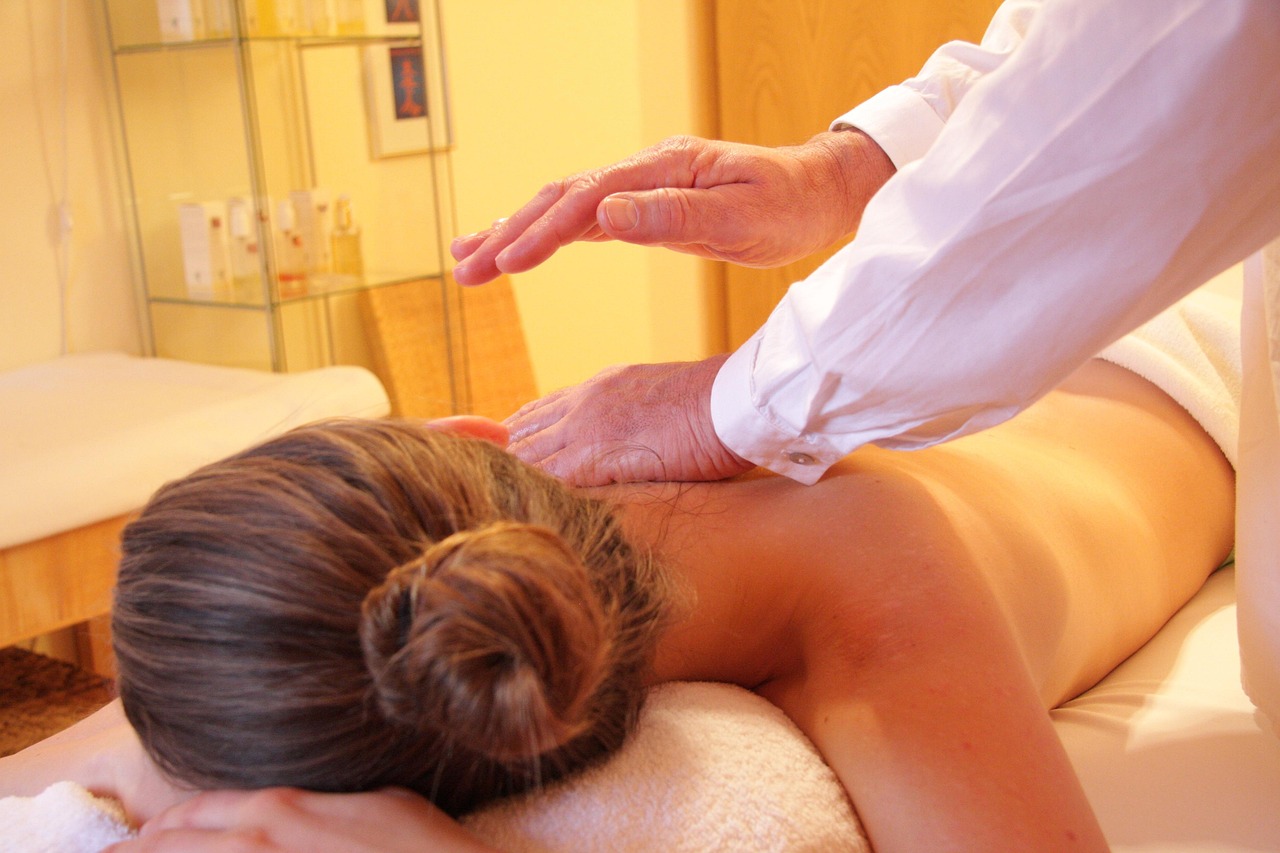
Recovery can mean stretching zones, quiet rooms, guided breathing, massage chairs, sauna sessions, or a calm corner without loud music. The point is not to add luxury for the sake of it. It is to help the body cool down and help the mind change pace after work or training. If the recovery area is always empty, ask why, because sometimes the room is hidden behind three doors and nobody tells members how to use it.
How Can a Wellness Club Support Better Workdays?
Many members join because workdays feel hard on the body. Long screen time, rushed meals, and late-night email can push health to the side. A club can help by offering routines before work, during lunch, or after the commute. For employers, this also links to morale and staff retention.
Workplace Health Needs a Plan
The CDC Workplace Health in America 2017 report found that among U.S. worksites with a health promotion program, just 50.2% had a plan, used data to choose offerings, and used data to evaluate results. That is a useful warning for wellness clubs as well. A club should not fill the calendar with random activities and hope members show up. It should track attendance, ask for feedback, and adjust programs based on what people use. Source: Centers for Disease Control and Prevention, Workplace Health in America 2017. (cdc.gov)
Short Sessions Fit Busy Schedules
Not every member can spend two hours in a facility. Better clubs offer 20 to 45-minute options, such as mobility at lunch, strength circuits, walking groups, guided stretching, or a quick nutrition workshop. Short sessions do not have to be weak. If the format is easy to repeat, members have a better chance of coming back next week.
Small Rewards Keep People Coming Back
Simple rewards can help, but they should not feel childish. A free smoothie after ten visits, a members-only seminar, or a personal progress review can support steady behavior. The aim is not to keep bribing people. It is to make the first stage less lonely until the routine feels normal.
What Makes a Wellness Club Different From a Gym?
A gym mainly sells access to exercise space. A wellness club should offer a wider support system. That difference may sound small, but it changes the member experience. You are not only renting equipment; you are joining a place that helps you make better choices during the day.
A Broader View of Health
A gym may focus on reps, machines, and calories. A wellness club adds stress, sleep habits, food choices, social connection, skin care, hydration, and sometimes preventive screenings. It still needs clear limits. It is not a hospital, and it should not promise to cure disease. When staff understand where fitness ends and medical care begins, members can feel safer.
Education Instead of Guesswork
Good clubs explain things in plain language. You might learn how to set up a weekly walking plan, build a pantry with better staples, or use a heart-rate zone without staring at numbers all day. A five-minute explanation before class can save a beginner from weeks of confusion. That small bit of teaching is often what members remember.
Retail Choices With a Reason
Many wellness clubs sell drinks, snacks, supplements, skincare, or small self-care items. For a fast-moving consumer goods brand, this setting can work well, but only when products fit the club’s health message. Low-sugar drinks, protein snacks with clear labels, mineral sunscreen, reusable bottles, and gentle personal care items usually make more sense than trend products with loose claims. Members can see the difference when retail is chosen with care. See also: baby&kids.
How Do You Choose the Right Wellness Club?
The right club is the one you will use. It is not always the one with the longest menu, the biggest lobby, or the most expensive robe. Before joining, visit at the time you would normally go. A Monday evening tour tells you more than a polished Saturday morning open house.
Check Staff Skills and Safety Rules
Ask who leads the classes, how trainers are qualified, and what happens if a member feels dizzy or gets injured. You do not need a long lecture, just clear answers. Look for beginner options, clean spaces, visible emergency steps, and staff who correct form without making people feel foolish. These small checks tell you a lot about how the club runs day to day.
Compare Programs With Your Real Week
If you work late, a club with strong 9 a.m. classes may not help much. If you dislike driving after dinner, choose a location near work or home. Match the club to your real week, including school runs, traffic, and nights when you only want soup and a couch. Health plans need room for normal life, or people stop using them.
Read the Member Culture
Culture shows up quickly during a tour. Do members wipe equipment, are beginners welcomed, and does every conversation turn into body size talk? A wellness club should make healthy choices feel possible. It should not make you feel judged. If the mood feels wrong during the visit, trust that sign.
How Can You Get More Value From Your Membership?
Joining is the easy part. Getting value takes a bit of structure. Start small, then add more when the first habits feel steady. A routine that is not perfect but keeps going is better than a clean calendar you stop using by Friday.
Pick Three Anchor Habits
Choose three habits for the first month. For example, do two strength sessions per week, one guided stretch class, and a better lunch twice a week. That is enough for a start. After a month, add one more habit if you feel ready. Too many goals can turn the club into another source of stress.
Use Social Support on Purpose
Book classes with a friend, join a walking group, or talk to the coach after class. The American Psychological Association’s Stress in America 2023 survey reported that adults ages 35 to 44 had a rise in reported chronic illness from 48% in 2019 to 58% in 2023, with money and the economy among major stressors for that age group. A supportive club will not remove outside pressure. It can, however, give you a healthier place to go during the week. Source: American Psychological Association, Stress in America 2023. (apa.org)
Review Progress Every Month
Progress is not only weight or appearance. Track energy, sleep regularity, steps, strength, mood, meal quality, pain levels, or attendance. A simple note on your phone is enough. If nothing improves after eight to twelve weeks, ask staff to help adjust your plan. Sometimes one small change, such as moving workouts earlier, fixes the whole routine.
FAQ
Q1: What Is a Wellness Club? A: A wellness club is a membership-based place that supports health habits such as movement, nutrition, stress care, recovery, and social connection. It may include fitness classes, coaching, workshops, healthy products, and quiet recovery spaces.
Q2: Is a Wellness Club Better Than a Regular Gym? A: It depends on your goal. A regular gym may be enough if you only need equipment. A wellness club is usually better if you want broader support for daily habits, food choices, recovery, and accountability.
Q3: How Often Should You Visit a Wellness Club? A: Two to four visits per week works for many people, but consistency matters more than a perfect number. Start with a schedule you can keep, then build from there.
Q4: What Should Beginners Look For First? A: Beginners should look for safe coaching, clear class levels, friendly staff, clean spaces, and programs that fit their real schedule. A welcoming culture matters as much as equipment.
Q5: Can Wellness Clubs Help With Stress? A: Yes, they can support stress care through movement, breathing sessions, recovery spaces, and community. They should not replace medical or mental health care, but they can be a helpful part of a weekly routine.