What Are the Best Breakfast Beverages for Busy Mornings?
Breakfast beverages are not just something to pour into a cup. They help people wake up, get through a commute, add protein to a light meal, or sometimes take in more sugar than planned. For more ideas across daily consumer products, visit the Food & Beverages section.
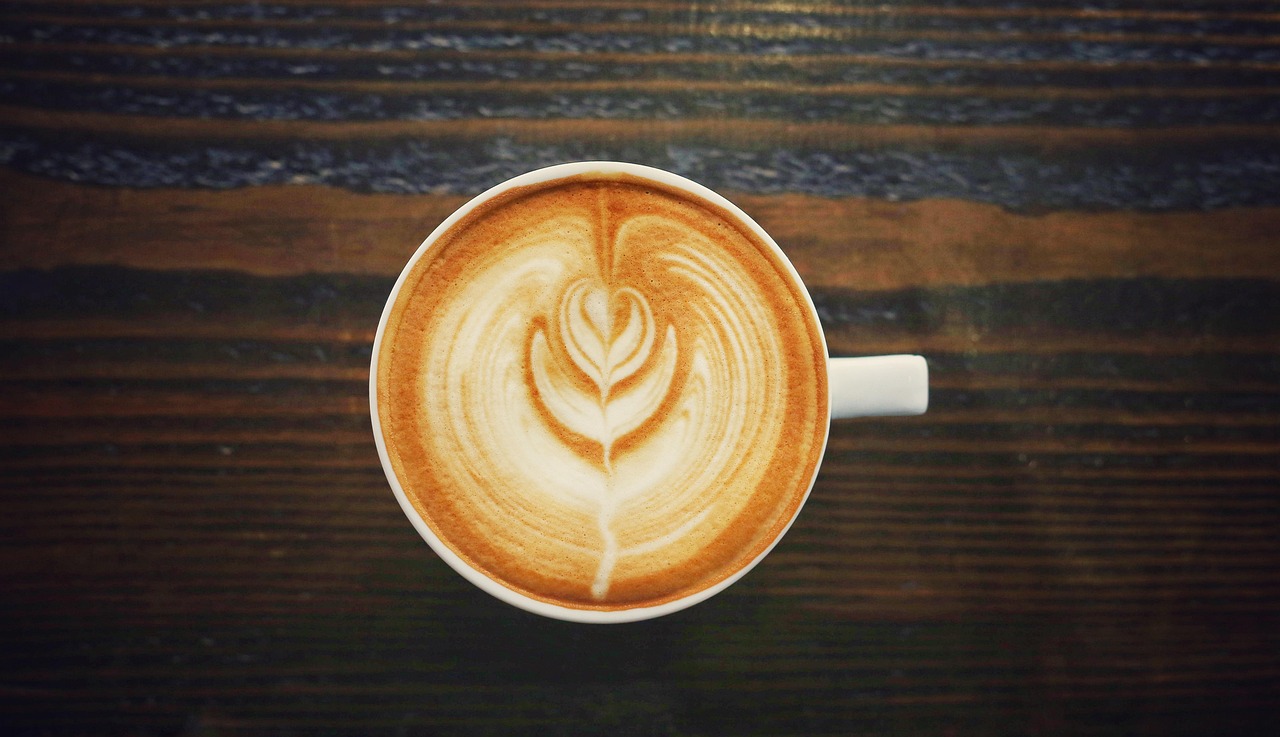
The right drink depends on the morning. A hot coffee before office work serves a different need from a small juice box at a hotel buffet, a protein smoothie after school drop-off, or plain milk with cereal. The category is also large for a clear reason: the National Coffee Association reported in its Fall 2025 National Coffee Data Trends report that 66% of U.S. adults drink coffee daily, and 85% of past-day coffee drinkers had coffee at breakfast. (ncausa.org)
Why Do Breakfast Beverages Matter So Much in the Morning?
A morning drink usually needs to cover three things: fluid, taste, and a clear purpose. If it does that without too much sugar or caffeine, it earns a regular place on the table. If it tastes good but leaves someone thirsty, shaky, or hungry by 10 a.m., it is closer to an occasional treat than a daily item.
Morning Hydration Starts the Day
Plain water, sparkling water without sweetener, unsweetened tea, and milk all help cover basic fluid needs. It sounds simple, but it matters in real morning routines.
Many people drink coffee first and do not think about water until lunch. Putting a bottle beside the kettle or coffee machine is an easy habit, and it is one that many households and offices can actually keep.
Caffeine Works Best with Boundaries
Coffee and tea fit breakfast because caffeine can support alertness. Portion size still needs attention, especially when drinks come from cafés or ready-to-drink formats.
The FDA says 400 milligrams of caffeine per day is an amount not generally linked with negative effects for most adults, while personal tolerance can be lower. Strong cold brew, energy drinks, and large café coffees can add up quickly. (fda.gov)
Sugar Can Change the Whole Meal
A sweet drink can make a plain breakfast more enjoyable. It can also turn a balanced meal into a high-sugar meal without anyone noticing much.
CDC nutrition guidance notes that Americans aged 2 and older should keep added sugars below 10% of daily calories, about 12 teaspoons in a 2,000-calorie diet. That is a useful reference point for sweetened coffees, fruit drinks, and ready-to-drink smoothies. (cdc.gov)
Which Breakfast Beverages Fit Different Morning Routines?
No one drink works for every buyer or every family. The practical way to choose breakfast beverages is to match the drink to the job it needs to do. Some mornings call for comfort, some call for portability, and some simply need a pack that will not spill in the car. For food service and retail buyers, that last point is not small.
Coffee for Focused Workdays
Coffee remains a main part of many breakfast routines because it is familiar, affordable per serving, and easy to serve in hot, iced, bottled, or canned formats. It also works across offices, hotels, convenience stores, cafés, and vending programs.
For a safe product range, black coffee, milk-based coffee, and at least one low-sugar ready-to-drink option usually cover the main demand. This gives shoppers a basic choice without making the set too crowded.
Tea for a Gentler Start
Tea is useful when people want warmth and flavor without the heavier feel of a sweet latte. Black tea, green tea, and herbal tea can serve different shoppers with a simple shelf set.
Unsweetened bottled tea also works well in grab-and-go coolers. It can sit next to water, juice, and coffee, and it gives buyers a low-sugar option that does not need much explanation.
Milk and Fortified Soy for Nutrient Density
Milk and fortified soy beverages can bring protein and useful nutrients to breakfast. They also pair well with cereal, oats, bakery items, and simple breakfast plates.
USDA MyPlate lists dairy foods as sources of calcium, potassium, vitamin D, and protein. It also includes fortified soy milk and soy yogurt with added calcium, vitamin A, and vitamin D as part of the Dairy Group. (myplate.gov)
Are Juice and Smoothies Good Daily Choices?
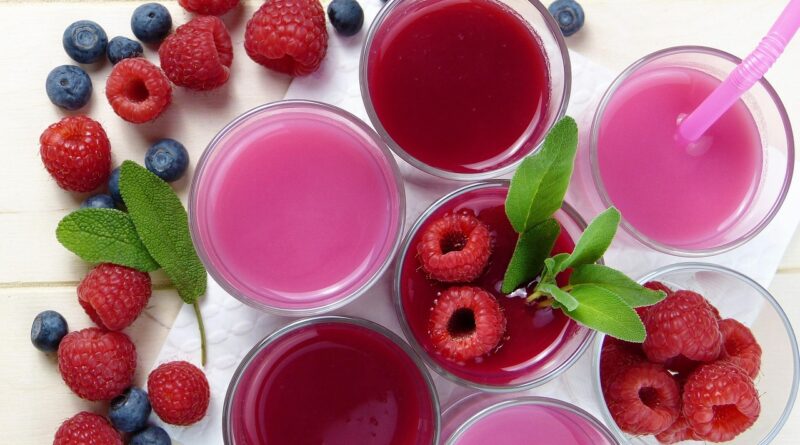
Juice and smoothies sell well because they feel fresh, bright, and easy to drink. They can be good breakfast beverages, but the label and serving size decide most of the value. A small glass of 100% orange juice is not the same as a 16-ounce fruit drink with added sugar and little fruit content.
100 Percent Juice Needs Small Portions
For children, the portion guidance is clear. The American Academy of Pediatrics recommends no fruit juice for infants under 12 months, up to 4 ounces daily for ages 1 through 3, 4 to 6 ounces for ages 4 through 6, and up to 8 ounces for ages 7 through 18.
That makes small packs more useful than large open-pour bottles in family breakfast service, hotel buffets, and school-adjacent retail. Small packs also help control waste and portion size. (publications.aap.org)
Smoothies Work Better with Fiber and Protein
A smoothie works best when it behaves more like food, not just sweet liquid. Whole fruit, yogurt, milk, fortified soy, oats, nut butter, or seeds make it more filling.
A thin smoothie made mostly from juice may taste good, but it may not hold someone until the next meal. A thicker one with protein and fiber feels closer to a real breakfast.
Fruit Drinks Are Not the Same as Juice
The wording on the front label matters. Juice, nectar, cocktail, drink, and beverage can point to different formulas.
If fruit is meant to be the main value, check for 100% juice. If the goal is a lighter flavored drink, that can work too, but it should be treated as a sweet beverage rather than a fruit serving.
How Can You Choose Store Bought Breakfast Beverages?
Store bought drinks save time, but they also require quick label checks. A front label can look healthy at first glance. The Nutrition Facts panel gives the facts that buyers and families need. For busy homes and FMCG buyers, a few repeatable rules are better than guessing each time.
Short Labels Make Faster Decisions
A short ingredient list is not automatically better, but it is easier to judge. Coffee, water, milk, tea, fruit, cocoa, oats, and soy are clear items that most buyers understand quickly.
Long lists with several sweeteners, gums, colors, and flavor systems may still be safe and standard for the category. They just need a clear reason to be there, such as texture, shelf life, or taste stability. See also: baby&kids.
Serving Size Changes the Real Sugar Count
One bottle may contain more than one serving. That changes the real sugar count for anyone who drinks the whole pack.
Before comparing two breakfast beverages, compare the same amount. A 250 ml carton, 330 ml can, and 500 ml bottle should not be judged with the same quick mental math unless the volume is adjusted.
Shelf Stable Packs Help Busy Homes
Shelf stable drinks are not exciting, but they solve real morning problems. UHT milk, boxed plant beverages, canned coffee, and small juice packs are easy to store, carry, and portion.
They also give households and offices a backup when the fridge is empty or delivery is late. For trade buyers, these packs can reduce stock pressure and support steady breakfast demand.
What Should Food Service and Retail Buyers Stock?
For trade buyers, breakfast beverages should cover daily demand before adding too many new flavors. A good range lets shoppers make a choice in a few seconds. Too many similar items can slow the decision, take up shelf space, and create weak rotation.
Core SKUs Cover Most Breakfast Occasions
A practical core range should start with items people already expect at breakfast. It can be simple, but it needs to cover hydration, caffeine, protein, and small juice portions.
- Still water and unsweetened tea for light hydration
- Hot coffee, iced coffee, and low-sugar ready-to-drink coffee
- Milk, lactose-free milk, and fortified soy beverage
- Small 100% juice portions
- One or two protein smoothies for meal replacement use
This mix works for offices, hotels, school-adjacent stores, convenience retail, and breakfast cafés. It keeps the set wide enough for most occasions without making it hard to manage.
Cold Chain and Ambient Options Balance Risk
Cold drinks move well in morning traffic, but they need fridge space and tighter stock rotation. That adds cost and waste risk if the range is too wide.
Ambient products add backup value. A buyer who combines chilled coffee, refrigerated smoothies, shelf stable milk, and boxed juice can serve more use cases with less pressure on the cold chain.
Clear Claims Beat Fancy Words
Simple claims such as unsweetened, no added sugar, 100% juice, lactose free, fortified, and high protein usually work better than broad wellness wording. Shoppers need to understand the front panel fast.
At 7:30 a.m., most people do not want a long health message. They want a drink that fits the day and does what the label says.
How Can You Build a Better Morning Beverage Plan?
A better plan does not mean a perfect diet. It needs a default drink, a backup drink, and a treat option. That sounds plain, but mornings repeat themselves. The mug, bottle, or carton someone reaches for should make the next hour easier.
Pair Beverages with Real Food
Coffee alone is common, but coffee with eggs, oats, yogurt, toast, fruit, or nuts usually feels steadier. The food helps balance the caffeine and makes breakfast more filling.
Juice pairs better with protein, and smoothies should already contain some protein or fiber. If the drink is sweet, keeping the food simple is usually the better move.
Rotate Caffeine and Caffeine Free Options
It helps to keep one caffeinated main drink and one caffeine free backup. Coffee and water, tea and milk, or cold brew and a small smoothie are all workable pairs.
This gives the morning more room to adjust when sleep was poor, the commute is longer, or caffeine starts to feel like too much. It also helps offices and cafés serve people with different caffeine habits.
Keep One Simple Rule for Sugar
Make unsweetened the default and sweetened the choice, not the habit. That one rule is easy for households, office pantries, and retail sets to apply.
It still leaves space for a vanilla latte, juice, or cocoa from time to time. It just keeps sugar from slipping into every breakfast beverage without anyone deciding on it.
FAQ
Q1: What Are the Healthiest Breakfast Beverages? A: Water, unsweetened tea, black coffee, low-fat milk, fortified unsweetened soy beverage, and small portions of 100% juice are solid everyday choices. The right one depends on the meal, caffeine tolerance, and sugar target.
Q2: Is Coffee a Good Breakfast Beverage? A: Yes, coffee can fit a healthy breakfast for many adults. Watch total caffeine, added sugar, creamers, and portion size, especially with large café drinks and strong cold brew.
Q3: Are Smoothies Better Than Juice? A: Often, yes. A smoothie with whole fruit, fiber, and protein is more filling than juice. A smoothie made mostly with juice or syrup may still be close to a sweet drink.
Q4: What Breakfast Beverages Should Retailers Stock First? A: Start with water, coffee, unsweetened tea, milk or fortified soy, small 100% juice packs, and one protein smoothie. Add seasonal flavors after the core range sells steadily.
Q5: How Can You Reduce Sugar in Morning Drinks? A: Choose unsweetened coffee or tea, use smaller juice portions, check added sugar on labels, and keep sweetened beverages for specific occasions instead of daily use.