
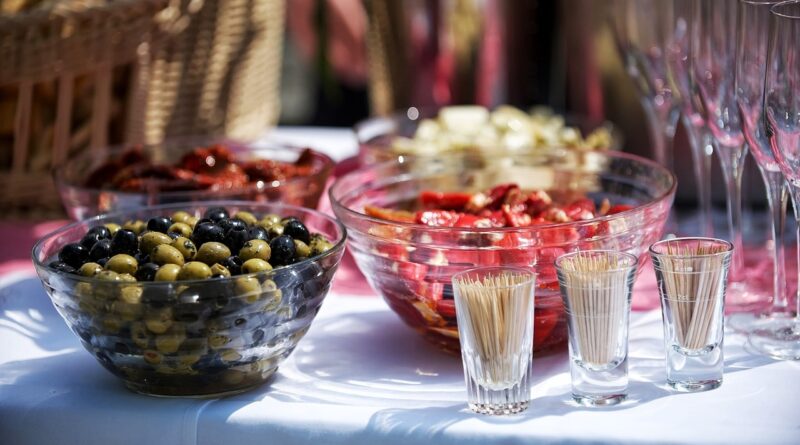
What Is the Best Party Food for Easy Hosting and Happy Guests?
Why Does Party Food Need a Plan?
Party food works better when the table is set before guests start looking for plates, napkins, and drinks. Whether it is a small office mixer, a birthday table, or a retail-ready food spread, the job is the same: serve food people can take without trouble. For more category ideas, the Food & Beverages section is a useful place to explore related fast-moving consumer goods.
Guest Count Sets the Table
Start with the guest count, then add a small buffer for late arrivals or bigger appetites. A spread for 12 people does not just double for 24, because larger groups eat at different times and not everyone takes the same amount. Some guests arrive hungry, some only take a few bites, and one person usually stays close to the dip bowl. A practical plan separates food into bites, filling items, fresh sides, sweets, and drinks, so the table stays balanced and you do not buy five kinds of the same salty snack.
Occasion Shapes the Menu
A game night can handle heavier foods than a baby shower, while a business reception needs clean bites that will not drip on shirts. A children’s party also needs simple flavors, smaller pieces, and labels parents can read quickly. The USDA Economic Research Service reported that food away from home reached 58.9% of total U.S. food expenditures in 2024, a record share. That matters because many guests now judge casual party food against the choice and convenience they see in foodservice.
Safety Changes the Serving Style
Serving style is not only about looks; it affects how long food stays out, how many hands touch it, and how fast the cleanup goes. Buffet trays work for big, hungry groups, but mini cups, skewers, wraps, and sealed snack packs can be a better fit for mixed guests. If the food needs to stay out for several hours, include shelf-stable items as well as hot and cold dishes that can be changed out from the kitchen. This makes service easier and keeps the table in better shape.
How Can You Build a Party Food Menu Guests Actually Eat?
A useful menu has a simple mix. Give guests something crisp, something creamy, something warm, something fresh, and something sweet. The table does not need to be huge. It just needs choices that fit together and still taste good after the first 30 minutes.
Finger Foods That Disappear Fast
Finger foods are the base of most party food because people can eat them while standing and talking. Sliders, pinwheel wraps, mini tacos, stuffed mushrooms, dumplings, chicken bites, spring rolls, cheese cubes, crackers, and small pastries all work well. Choose pieces that can be finished in one or two bites. Large items slow people down, and half-eaten leftovers never make the table look good near the end of the party.
Fresh Items That Cut Menu Fatigue
Fresh food adds color and stops rich snacks from feeling too heavy. Fruit cups, vegetable sticks, cucumber rounds, cherry tomatoes, pickled vegetables, and simple salads are easy to serve and easy to understand. A platter with grapes, citrus slices, berries, carrots, and snap peas can lift the whole table without adding much work. These items also help guests who want lighter choices, without making the menu look like a diet board.
One Warm Anchor Dish
One warm anchor dish makes the spread feel more complete, especially when guests expect food to replace part of a meal. It could be baked pasta, meatballs, chili, curry puffs, fried rice, mac and cheese, roasted vegetables, or a slow-cooker dip. The National Restaurant Association’s 2025 culinary forecast pointed to hot honey, mushrooms, Southeast Asian flavors, wellness, and sustainability as notable menu themes. For party food, that can mean mushroom sliders, sweet-spicy wings, lemongrass chicken skewers, or vegetable dumplings with a strong sauce.
What Portions Make Sense for Different Party Sizes?
Portion planning is where many hosts spend too much. The right amount depends on time, event type, and whether the food is a snack or a meal. Snacks before dinner are not the same as dinner replacement food. A two-hour reception also needs a different count from a four-hour backyard party.
Light Snacks Need Smaller Counts
For a short gathering where a meal comes later, plan around four to six small bites per person per hour. Chips, crackers, or popcorn can sit on the side, but they should not carry the whole menu. For 20 guests, that means about 80 to 120 small pieces for the first hour. If you offer several items, divide the count across them instead of making too much of one product.
Meal Replacements Need More Weight
If party food replaces lunch or dinner, guests need food with more substance. Plan one main-style item, two sides, one fresh item, and one dessert. A common catering rule is to make more of familiar favorites and less of new or risky items. If you want to test spicy Korean-style bites or a new plant-based snack, place them next to safer picks such as cheese, bread, fruit, chicken, or pasta.
Backups Save the Last Hour
Keep a backup tray in the refrigerator instead of putting everything out at the start. This keeps the table looking fresh and gives late guests a fair chance to eat. Good backup items are easy to open, heat, or plate, such as sealed crackers, extra fruit, chilled dips, frozen appetizers, bottled drinks, and individually packed sweets. It is not a fancy step, but it helps when the first round moves faster than planned.
How Should You Handle Allergens and Dietary Needs?
Allergen planning is now a normal part of hosting. It also matters for FMCG buyers, private-label snack suppliers, and beverage brands, because clear food choices help build trust. Guests should not have to guess what is inside a wrap, dip, sauce, or dessert.
The Big 9 Belong on Labels
The FDA identifies nine major food allergens in the United States: milk, eggs, fish, crustacean shellfish, tree nuts, peanuts, wheat, soybeans, and sesame. Sesame became the ninth major allergen under the FASTER Act, effective January 1, 2023. For party food, plain labels work best: “contains wheat and milk,” “peanut-free,” “vegan,” or “gluten-free ingredients.” Do not call anything allergen-free unless the supply and prep area can support that claim.
Separate Tools Lower Cross Contact
Use separate serving spoons for dips, sauces, and salads, even when the dishes sit close together. Keep nut toppings in a side bowl rather than spreading them over the full dish. Put gluten-free crackers on a separate tray from wheat crackers. These small steps matter because guests often serve themselves while talking, holding a drink, and reaching across the table, which is exactly when cross contact happens.
Clear Choices Help Guests Relax
CDC National Center for Health Statistics data for 2024 reported diagnosed food allergies among 6.7% of U.S. adults and 5.3% of children ages 0 to 17. With numbers like these, allergen labels are not just a polite extra. A good party table should include at least one option for common needs, such as vegetarian, gluten-free ingredients, dairy-free, and no pork. Keep the wording direct and honest, because guests will trust that more than broad claims. See also: baby&kids.
How Do You Keep Party Food Safe on a Buffet?
Food safety is not the fun part of hosting, but it decides how long food can sit out with confidence. A good setup uses time control, temperature control, and smaller trays. You do not need a restaurant kitchen. You do need a plan before the first guest arrives.
Hot Food Stays Hot
The FDA’s buffet guidance says hot foods should be held at 140°F or warmer. Chafing dishes, slow cookers, and warming trays can help, but only if they can actually hold that temperature. Some warmers are made for gentle warming, not safe hot holding. Use a food thermometer for meatballs, wings, casseroles, and hot dips, because steam alone is not a safe check.
Cold Food Stays Cold
Cold food should stay at 40°F or colder, according to FDA and USDA guidance. Nest bowls over ice for shrimp, dairy dips, cut fruit, creamy salads, and soft cheeses. If a dish cannot stay cold, serve a smaller amount and refill it later. The USDA Food Safety and Inspection Service also warns that perishable foods should not sit at room temperature for more than two hours, or more than one hour when temperatures are above 90°F.
Small Batches Beat Big Trays
Small batches usually look cleaner and stay safer than large trays. Put out one tray of wraps, keep another chilled, and replace it when the first tray runs low. Use the same method for cold desserts, cheese boards, and prepared salads. FoodSafety.gov recommends putting party foods out in batches so items are not sitting out beyond the two-hour limit, and guests will notice that the table looks newly stocked.
Which Packaging and Display Choices Help Food Sell the Mood?
Party food is about taste, but the table setup still matters. Display helps guests choose faster, take photos more easily, and clean up with less trouble. For FMCG brands, display can also affect product movement because guests see the product before they taste it.
Clear Trays Make Color Work
Clear trays, shallow bowls, and simple risers help guests see what is being served. Place bright items beside plain ones, such as green vegetables near cheese, berries near cookies, salsa near tortilla chips, and herbs near creamy dips. Do not crowd the trays. A tray with some open space often looks better than a pile of mixed pieces, even when the food cost is the same.
Single-Serve Cups Control Mess
Single-serve cups work well for dips, salads, fruit, desserts, and snack mixes. They help control portions and reduce repeated dipping at the table. They are also practical for outdoor events because guests can pick up a cup and move around. For trade events, sampling tables, or office parties, sealed or lidded cups keep the spread tidy and help service move faster.
Waste Planning Protects the Budget
The EPA has reported that more than one-third of food produced in the United States is never eaten, with wasted food also a major landfill issue in its 2019 Wasted Food Report. For a party, waste planning starts with smaller opening portions, clear storage containers, and a realistic menu. Do not open every package at once, and keep labels and dates visible. If leftovers are safe, chill them quickly in shallow containers and send them home only when they have been handled properly.
FAQ
Q1: What Is the Easiest Party Food for a Mixed Crowd? A: The easiest party food includes sliders, wraps, fruit cups, vegetable sticks, chips with two dips, cheese and crackers, and one warm dish such as meatballs or baked pasta. These foods work for different ages and do not need much explanation.
Q2: How Much Party Food Should You Prepare per Person? A: For light snacks, plan about four to six small bites per person per hour. If the food replaces a meal, add a main-style dish, two sides, one fresh item, and dessert. Increase portions for longer events.
Q3: How Long Can Party Food Sit Out? A: FDA and USDA guidance says perishable food should not sit at room temperature for more than two hours. If the temperature is above 90°F, the limit drops to one hour. Keep hot food at 140°F or warmer and cold food at 40°F or colder.
Q4: How Can You Make Party Food Safer for Guests With Allergies? A: Label major allergens, use separate serving tools, keep risky toppings on the side, and offer plain options. At minimum, mark foods that contain milk, eggs, fish, shellfish, tree nuts, peanuts, wheat, soy, or sesame.
Q5: What Party Food Works Best for Business Events? A: Business events work best with clean, one-bite or two-bite foods: mini sandwiches, skewers, dumplings, fruit cups, snack packs, and bottled drinks. Avoid messy sauces, large bones, and foods that need too much cutting.