Wellness massage and the move toward everyday self-care
What wellness massage means now
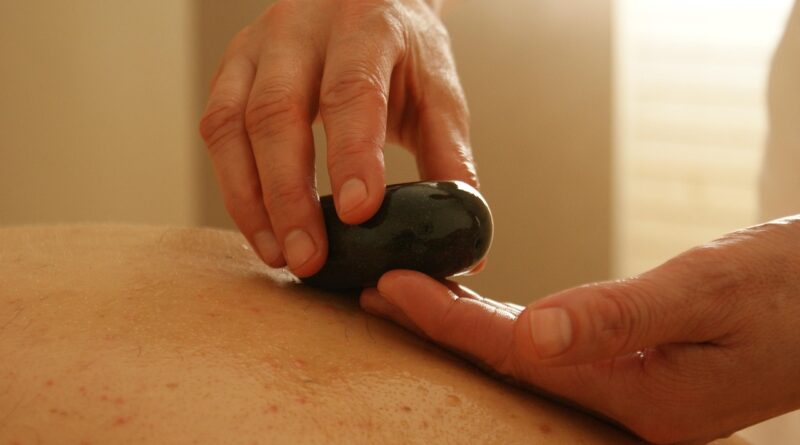
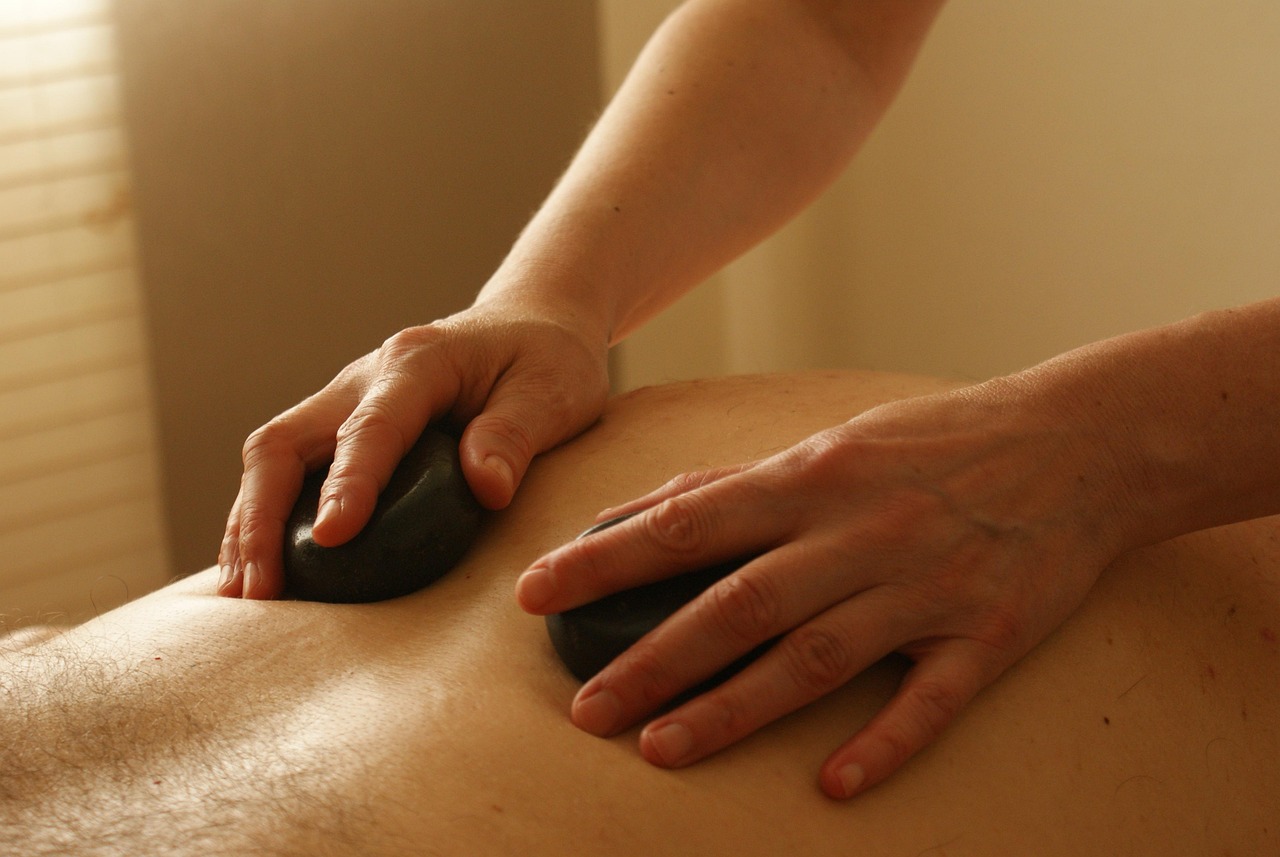
Wellness massage is no longer viewed only as a luxury spa booking. For many consumers, it now sits within a broader self-care routine that may include licensed massage therapy, simple at-home massage tools, heat wraps, topical body care, stretching, sleep hygiene, and stress-management habits. That shift matters for the Health & Wellness market because it links a service-based practice with everyday products people can buy, use, and repeat.
A practical definition is straightforward: wellness massage is massage used to support comfort, relaxation, mobility, recovery, and general well-being. It should not be presented as a cure for disease or as a replacement for medical care. The National Center for Complementary and Integrative Health, part of the U.S. National Institutes of Health, describes massage therapy as soft-tissue manipulation used to help manage a health condition or enhance wellness. Its evidence summary is careful: massage may help with some types of pain, but the strength of evidence varies and benefits may be short term.
For consumers, that nuance is useful. A credible wellness massage routine does not promise overnight transformation. It gives people a repeatable way to create physical ease and mental decompression during a busy week.
Why demand is moving beyond the treatment room
Several forces are pushing massage from an occasional appointment into a more regular wellness behavior. First, consumers are more willing to spend on health-adjacent routines that feel preventive, restorative, or stress relieving. The Global Wellness Institute reported in its 2025 Global Wellness Economy Monitor that the global wellness economy reached $6.8 trillion in 2024, spanning sectors such as personal care and beauty, physical activity, mental wellness, spas, workplace wellness, and traditional and complementary medicine.
Second, massage use itself has broadened. NCCIH reports that 10.9% of U.S. adults used massage therapy in 2022, more than double the 4.8% reported in 2002. That does not mean every consumer is booking frequent sessions, but it does show that massage has moved into mainstream health and wellness conversations.
Third, professional massage and at-home products are increasingly connected. The American Massage Therapy Association’s consumer research for the 12 months ending June 2025 found that many massage consumers identified health, wellness, or stress-related reasons for their last massage. Separately, McKinsey’s 2025 wellness survey noted that younger consumers tend to purchase across a wider set of discretionary wellness categories, including massage tools, health-tracking devices, beauty apps, and mindfulness apps. Taken together, these signals suggest that consumers do not separate body care, recovery, relaxation, and digital wellness as sharply as older retail category maps might imply.
This changes the search intent around the phrase “wellness massage.” People are often not looking for a technical medical review alone. They want to understand what massage can reasonably do, how it fits into self-care, which products or habits can support it, and how to avoid inflated claims.
What the evidence supports and where it is limited
The evidence around massage is most useful when it is presented with clear boundaries. NCCIH’s current massage therapy fact sheet says massage has been studied for low-back pain, neck and shoulder pain, knee osteoarthritis pain, headaches, fibromyalgia symptoms, cancer-related symptoms, HIV/AIDS-related quality of life, and premature infant weight gain. The same source also notes limitations in study quality, sample size, duration of benefit, or consistency of results.
For low-back pain, several reviews have found weak or low-strength evidence that massage may be helpful, especially in the short term. For neck and shoulder pain, benefits may occur but may not last long. For fibromyalgia, NCCIH summarizes research suggesting that massage continued for at least five weeks may improve pain, anxiety, and depression, though not necessarily sleep disturbance. For headaches, the evidence is limited and not strong enough for broad claims.
That evidence profile has practical implications for brands, retailers, content publishers, and consumers:
- Position massage as supportive care or self-care, not as a standalone medical treatment.
- Use language such as “may help,” “can support relaxation,” or “short-term comfort” when the evidence is limited.
- Avoid implying that a massage oil, device, balm, or accessory can treat chronic pain or a medical condition without proper substantiation.
- Encourage consumers with injuries, pregnancy, cancer, blood clotting issues, osteoporosis, or other medical concerns to consult a qualified health professional before deep or forceful massage.
For an FMCG audience, the important distinction is between a credible routine and a medical claim. A body oil can improve glide and sensory experience. A warming patch may provide temporary comfort if used as directed. A handheld massage tool may help someone build a relaxation habit. Those are very different from claiming that a product treats arthritis, cures migraines, or repairs tissue damage.
Where FMCG and retail categories fit into the routine
Wellness massage creates a bridge between services and fast-moving consumer products. The professional session may remain the anchor for consumers who want skilled bodywork, but the surrounding routine is often built with products that are easier to purchase frequently. These include body lotions, massage oils, magnesium-themed body care, heat and cold products, aromatherapy items, bath products, recovery sprays, foam rollers, massage balls, portable devices, and cleaning or hygiene products used around shared tools.
The strongest FMCG opportunities are not necessarily the most complex. They are the products that make the routine easier, safer, more pleasant, and more repeatable.
| Consumer need | Relevant product or content angle | Important caution |
|---|---|---|
| Relaxation after work | Body oil, calming scent, simple neck and shoulder self-massage guidance | Avoid claiming anxiety treatment unless supported by appropriate evidence and regulatory review |
| Post-exercise soreness | Cooling gel, massage ball, stretching checklist, recovery bundle | Do not promise faster healing or injury treatment without substantiation |
| Desk-related stiffness | Heat wrap, ergonomic reminder card, gentle mobility routine | Encourage medical advice for persistent numbness, severe pain, or loss of function |
| Giftable self-care | Bath soak, body lotion, massage accessory, sleep wind-down guide | Keep claims experiential and wellness-focused |
| Professional spa support | Retail-size lotion, aftercare card, hydration and rest guidance | Do not imply professional results from home use alone |
This is where wellness massage differs from many trend-led wellness topics. The category can be built around habit architecture. A consumer may not visit a massage therapist every week, but they may repeat a five-minute foot massage, apply body lotion after a shower, use a massage ball during a work break, or prepare a quiet evening routine. For retailers, that creates opportunities in merchandising, education, and cross-category placement.
Claims, safety, and trust matter more than big promises
The wellness market rewards clarity, but it punishes overreach. In the United States, the Federal Trade Commission expects health-related advertising claims to be truthful, not misleading, and supported by competent and reliable scientific evidence. This matters for wellness massage products because many sit close to health claims even when they are sold as lifestyle goods.
The Food and Drug Administration’s January 2026 guidance on low-risk general wellness products also reinforces a practical boundary for device-like products: general wellness claims are different from claims to diagnose, cure, mitigate, prevent, or treat a disease or condition. Simple relaxation or healthy lifestyle positioning is lower risk than a disease-treatment message, but the specific wording still matters.
Safety is also part of trust. NCCIH states that massage therapy appears to have a low risk of harmful effects when performed by a trained practitioner, but rare serious events such as blood clots, nerve injury, or bone fracture have been reported, especially with vigorous techniques or higher-risk individuals. The practical lesson is not to scare consumers away from massage. It is to communicate sensible boundaries. See also: baby&kids.
Good content and packaging should make those boundaries visible. Consumers should know when to use light pressure, when to avoid broken or irritated skin, when not to apply heat, how long to use a device, and when to stop. Product pages should avoid suggesting that more pressure is always better. In wellness massage, comfort, consent, and consistency are more persuasive than intensity.
How brands and retailers can build useful wellness massage content
Wellness massage content performs best when it answers a real routine question. Instead of broad promises such as “feel better instantly,” useful content explains what to do, when to do it, what to expect, and when to seek help. This is closer to how consumers actually search and shop.
Strong content angles include:
- A beginner’s guide to building a five-minute evening massage routine.
- The difference between relaxation massage, sports massage, deep tissue massage, and self-massage tools.
- How to choose a massage oil or lotion based on texture, scent sensitivity, and skin feel.
- When heat, cold, stretching, or gentle pressure may fit into a recovery routine.
- What wellness claims mean on massage tools and body care products.
- How to clean and store at-home massage accessories.
Retail execution can also become more helpful. A wellness massage shelf can be organized by use occasion rather than by product type alone: “wind down,” “desk break,” “post-workout,” “bath ritual,” and “giftable self-care.” This mirrors consumer motivation more closely than separating every oil, balm, wrap, and tool into unrelated aisles.
For FMCG brands, the main content opportunity is to connect product use with realistic behavior. A body lotion is not just a lotion if it becomes part of a two-minute calf massage after a long day. A massage ball is more useful when it comes with clear pressure guidance and safety warnings. A bath product becomes more relevant when it is part of a wind-down sequence that includes warmth, gentle touch, and reduced screen time.
What to watch next in wellness massage
The next phase of wellness massage is likely to be shaped by three tensions. The first is personalization versus simplicity. Consumers like personalized routines, but they also want low-friction habits. Brands that make self-care feel easier will have an advantage over brands that make the routine feel clinical or complicated.
The second tension is professional expertise versus at-home convenience. Massage therapists provide training, assessment, and skilled touch that tools cannot fully replace. At-home products, however, can extend the wellness moment between appointments. The most credible market position respects both roles rather than pretending one eliminates the other.
The third tension is wellness language versus medical evidence. Consumers are increasingly skeptical of unsupported claims, especially in crowded categories. The stronger message is modest, specific, and useful: support relaxation, help create a recovery ritual, improve the sensory experience of body care, or encourage a consistent wind-down routine.
For health and wellness publishers, retailers, and FMCG brands, wellness massage is not just a service trend. It is a routine-building category. Its value comes from combining credible information, safe use guidance, and products that make everyday self-care easier to repeat.
Frequently asked questions
Is wellness massage the same as medical massage?
No. Wellness massage usually refers to massage used for relaxation, comfort, general well-being, or routine self-care. Medical or clinical massage is typically tied to a specific therapeutic goal and may involve coordination with a health professional. The terms can overlap in casual use, so the claim and context matter.
Can wellness massage help with stress?
Many consumers use massage for relaxation and stress reduction, and massage may support a sense of calm. However, brands should avoid presenting massage or massage products as a treatment for anxiety, depression, or other mental health conditions unless they have appropriate evidence and meet applicable regulatory requirements.
Are at-home massage tools a replacement for a therapist?
At-home tools can support simple routines, but they do not replace the assessment, training, and hands-on skill of a qualified massage therapist. They are best positioned as convenience tools for general comfort and relaxation between professional sessions.
What should consumers consider before deep tissue massage?
Deep or forceful massage may not be suitable for everyone. People who are pregnant, older, recovering from injury, taking anticoagulant medication, living with bleeding disorders, or dealing with certain medical conditions should seek professional medical guidance before using intense pressure or vigorous tools.
What is the best positioning for wellness massage products?
The most credible positioning is specific and modest. Claims around relaxation, sensory experience, comfort, routine support, and self-care are generally more defensible than broad promises about treating pain, curing conditions, or delivering guaranteed health outcomes.