
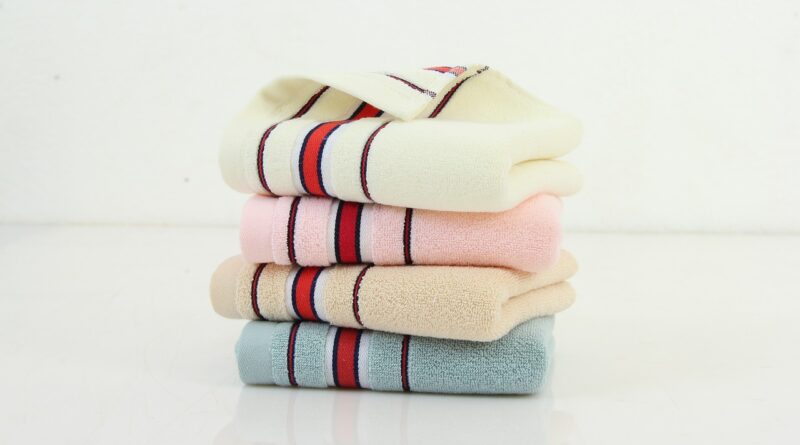
Room essentials towels every home should have and how to choose them
What room essentials towels should include
A practical set of room essentials towels should reflect how each room is used. Bath towels handle showering and bathing. Hand towels support sink areas. Washcloths are useful for face washing and skincare routines. Kitchen and utility towels should stay separate because they come into contact with food spills, cleaning residue, or heavier messes.
For most homes, a sensible starting point is two bath towels per regular user, two hand towels per bathroom, several washcloths if they are part of the routine, and a separate group of kitchen or utility towels. The final count depends on laundry frequency, humidity, storage space, skin sensitivity, and whether the priority is plush feel, fast drying, or repeated heavy washing.
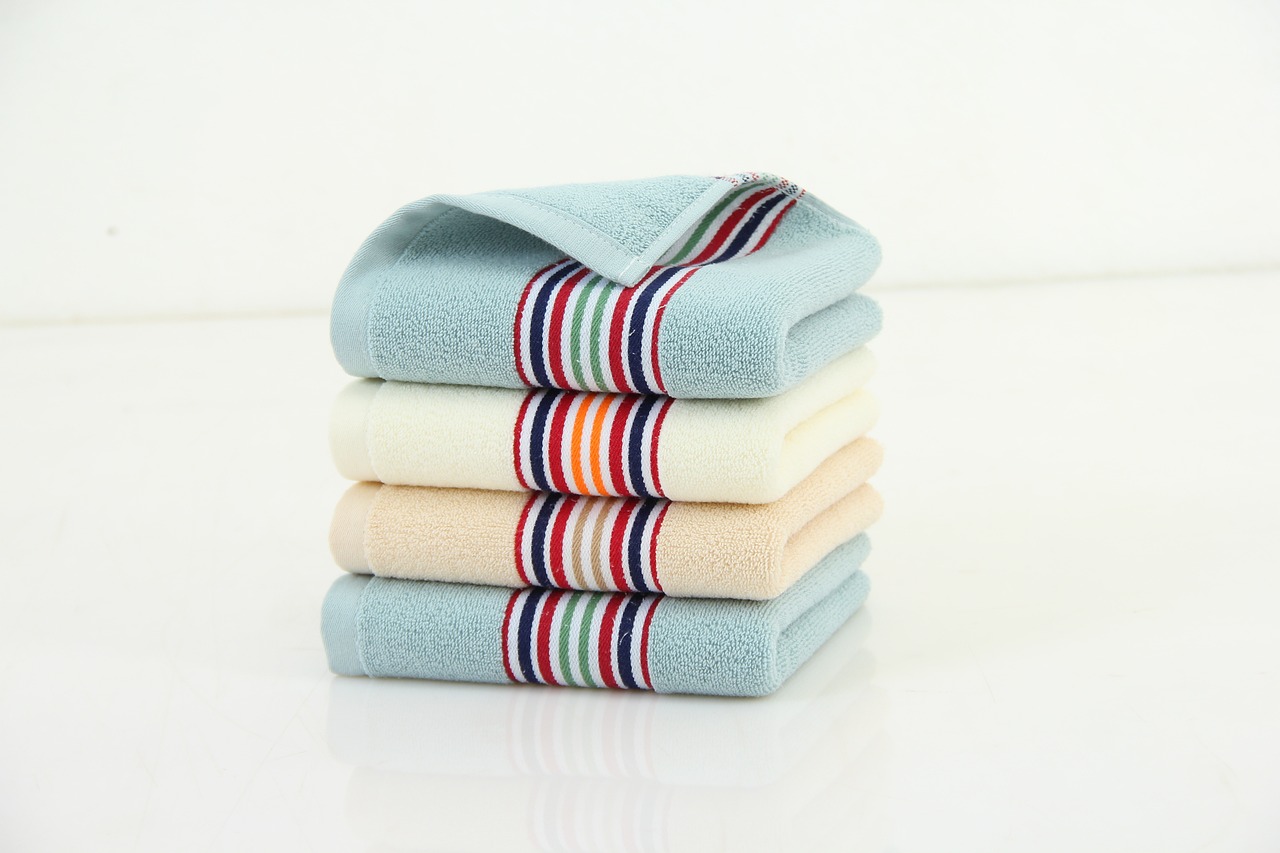
This guide focuses on practical selection rather than brand ranking. It compares towel types, fabric choices, size ranges, care factors, and common buying mistakes so a household can build a towel set that is comfortable, hygienic, and easy to maintain. For more everyday home buying guides, explore the household essentials section.
Build the towel set by room, not by aisle
Towels are often sold by size, color, or bundle, but the better way to plan a purchase is by room and task. A primary bathroom needs absorbency and durability for daily use. A guest bathroom needs towels that look clean and are easy to refresh. A dorm room needs compact pieces that dry quickly. A kitchen needs low-lint towels that can be washed often. Utility areas need towels that are clearly separated from personal-use textiles.
| Room or use | Useful towel type | What to look for | Why it matters |
|---|---|---|---|
| Primary bathroom | Bath towels, hand towels, washcloths | Soft cotton or cotton-rich terry, secure edges, medium to high absorbency | These towels face the most frequent washing and daily skin contact. |
| Guest bathroom | Hand towels and one or two bath towels | Neutral colors, clearly clean appearance, moderate thickness | Guest towels should feel welcoming and be easy to refresh after each visit. |
| Dorm or bedroom | Bath towel, hair towel, compact hand towel | Fast-drying fabric, hanging loop, color that hides wear | Small rooms and shared laundry make drying speed and storage more important. |
| Kitchen | Dish towels, tea towels, bar mops | Low lint, washable fabric, separate colors for food and cleaning tasks | Kitchen towels should not be mixed with bath or face towels. |
| Gym, pool, or travel | Sport towel, beach towel, quick-dry towel | Lightweight construction, packability, faster drying | Damp towels left in bags can develop odor quickly. |
| Utility and cleaning | Cleaning cloths or old towels | Clearly separated color or storage bin | Separation prevents cleaning residues from ending up on skin-contact towels. |
This room-based approach also helps prevent overbuying. A household that runs laundry often may need fewer towels than one that washes once a week. A humid apartment may be better served by thinner, faster-drying towels than by very plush bath sheets. A family with children may need more hand towels and washcloths than a single adult household.
How fabric, GSM, and construction change towel performance
The best towel for one room may be the wrong towel for another. A heavy spa-style bath towel can feel comfortable after a shower, but it may dry slowly in a small bathroom. A thin kitchen towel may be useful for drying dishes but uncomfortable as a bathroom hand towel. Fabric, GSM, and construction should be matched to the job the towel has to do.
Cotton and cotton-rich towels
Cotton terry is the familiar choice for bath towels because the looped pile creates surface area for absorbing water. Long-staple cotton is often associated with a smoother feel and better durability, although the actual result depends on yarn quality, weaving, finishing, and care. Cotton-rich blends can add strength or reduce cost, but they may feel different from 100 percent cotton and can be less absorbent depending on the blend and construction.
Microfiber and quick-dry towels
Microfiber towels are popular for gyms, travel, and compact living because they are lightweight and dry faster than many plush cotton towels. They are not always the preferred choice for a main bathroom because some people dislike the feel against the skin. They also need careful washing to avoid lint transfer and heat damage. For room essentials, microfiber usually works best as a secondary towel category rather than a full replacement for everyday cotton bath towels.
GSM is useful, but it is not the whole story
GSM, or grams per square meter, describes fabric weight and density. In general, a higher GSM towel feels thicker and can hold more water, while a lower GSM towel often dries faster and takes less storage space. However, GSM alone cannot prove softness, durability, or absorbency. Consumer Reports has cautioned that towel weight should not be the only deciding factor, and that cotton quality and construction matter. A practical setup uses lighter towels for gym, travel, dorms, and humid bathrooms, while reserving heavier towels for primary bathrooms where plushness is a priority.
Edges, loops, and finishing
Construction quality is often visible before the first wash. Look for even loops, consistent pile, secure hems, and edges that do not twist or pucker. Loose loops can snag. Weak stitching can fray. Very soft towels in stores may have been treated with temporary finishing agents that fade after washing, so a towel that feels impressive on the shelf may not feel the same after several laundry cycles. The most reliable choice balances initial softness with long-term structure.
Size and quantity guidelines for everyday rooms
Towel dimensions vary by brand and country, but retail ranges are consistent enough for planning. Avoid buying every towel in the same size. A bathroom needs hand towels as much as bath towels. A kitchen needs smaller towels that can be rotated often. A dorm room may need fewer pieces, but drying speed matters more.
| Towel type | Common size range | Best use | Buying note |
|---|---|---|---|
| Washcloth | About 12 x 12 inches | Face, hands, personal washing | Buy enough to wash frequently, especially for skincare routines. |
| Hand towel | About 16 x 28 inches | Bathroom sinks and guest bathrooms | Two per bathroom is a minimum for easy rotation. |
| Bath towel | About 27 x 52 to 30 x 58 inches | Daily shower use | Two per regular user is a practical baseline. |
| Bath sheet | About 35 x 60 inches or larger | Extra coverage after bathing | Comfortable, but slower to dry and bulkier to store. |
| Kitchen towel | About 16 x 24 to 20 x 30 inches | Dishes, hands, light spills | Keep separate from bathroom towels. |
| Gym or travel towel | Varies widely | Workout bags, pools, travel | Prioritize drying speed and packability. |
A simple quantity formula is one towel in use, one in the laundry, and one backup where storage allows. For a single adult bathroom, that may mean three bath towels, two to three hand towels, and several washcloths. For a family bathroom, the count rises quickly because hand towels and washcloths are replaced more often than bath towels. For guest rooms, keep a small dedicated set stored away from daily household use.
Care and hygiene decisions affect towel value
A towel’s value is not set at checkout. It is shaped by how the towel is washed, dried, stored, and separated from other household textiles. Towels hold moisture, skin oils, soap residue, and sometimes cosmetic or cleaning products. If they remain damp between uses, they can develop persistent odor even when the fabric still looks good.
Many health and dermatology sources recommend washing bath towels after about three uses, or sooner when the towel is used after workouts, shared among users, left damp, or used by someone with a skin concern. Hand towels usually need more frequent washing because they are touched repeatedly throughout the day. Kitchen towels should be changed often, especially when used around food preparation. See also: baby&kids.
Care labels matter. In the United States, Federal Trade Commission textile guidance treats towels, washcloths, and dishcloths as household textile products covered by labeling requirements, which is why shoppers should pay attention to fiber content and care instructions. If a towel says wash cold, tumble dry low, or avoid bleach, those instructions are part of the product’s expected performance. Ignoring them can shrink fibers, weaken edges, fade colors, or reduce absorbency.
- Skip routine fabric softener. It can leave a coating that makes towels feel slick but reduces absorbency over time.
- Dry towels fully before folding. Folding damp towels traps moisture and encourages odor.
- Separate by use. Face towels, kitchen towels, pet towels, and cleaning towels should not share the same daily storage stack.
- Use white towels strategically. White towels can be easier to sanitize and coordinate, but they may show stains from skincare products.
- Watch benzoyl peroxide products. Acne treatments can bleach colored towels, so inexpensive white washcloths may be more practical for skincare routines.
Certification, labeling, and safety claims to understand
Towel packaging often includes claims about cotton type, chemical testing, sustainability, or hotel quality. Some claims are useful, while others are mainly marketing language. A responsible buying decision separates verified labels from vague adjectives.
OEKO-TEX Standard 100 is one widely recognized textile certification that indicates a textile product has been tested for certain harmful substances. It does not automatically mean the towel is organic, carbon neutral, or the most durable option; it means the product has met that program’s testing criteria. Organic cotton claims, recycled content claims, and sustainability statements should be checked against the specific certification or label printed on the package, not assumed from color, texture, or branding.
Terms such as hotel style, spa quality, premium, luxury, or extra plush are not technical standards by themselves. They may describe a look or feel, but they do not replace fiber content, care instructions, size, GSM, and construction details. For room essentials towels, the most useful packaging information is specific: material, dimensions, weight or GSM when provided, care instructions, country of origin, and any verifiable certification label.
Common towel buying mistakes to avoid
The most common mistake is buying for shelf appeal instead of daily use. A thick, soft towel display may look attractive, but it may not fit a small bathroom, a humid climate, or a busy laundry routine. Another common mistake is using one towel category for everything. Kitchen towels, face cloths, pet towels, and bath towels should serve different roles.
- Buying only heavy towels. Plush towels feel good but can dry slowly and take up more washer and dryer space.
- Ignoring the hand towel count. Bathrooms often run out of clean hand towels before bath towels.
- Choosing color before care. Dark towels may fade; light towels may stain; white towels may show makeup and skincare residue.
- Skipping a guest set. Guests should not have to use towels pulled from the daily family rotation.
- Overlooking storage. Bath sheets are comfortable, but a stack of them may overwhelm small linen closets.
- Mixing cleaning towels with personal towels. Separate colors or bins reduce confusion and improve hygiene.
A better approach is to build a small core set, test how it performs after several washes, and then add more of the same towel if it still suits the household. This is especially helpful for dorms, first apartments, and families replacing an entire linen closet. Towels are everyday essentials, but they do not need to be bought all at once.
Frequently asked questions
How many towels does one person need?
For one regular user, a practical minimum is two bath towels, two hand towels, and several washcloths if washcloths are part of the routine. Three bath towels are more comfortable if laundry is done weekly or if towels take a long time to dry.
What is a good GSM for room essentials towels?
There is no single best GSM. Lower to midweight towels are useful for dorms, gyms, travel, and humid bathrooms because they dry faster. Heavier towels feel more plush and are better for primary bathrooms where comfort matters more than drying speed. GSM should be considered alongside cotton quality, weave, stitching, and care instructions.
Are microfiber towels good for everyday rooms?
Microfiber towels are excellent for travel, gym bags, hair drying, and compact storage. For daily bath use, many households still prefer cotton because of its feel and familiar absorbency. A mixed towel setup often works better than choosing only one fabric.
How often should towels be replaced?
Replace towels when they stay musty after proper washing, lose absorbency, develop frayed edges, feel rough against the skin, or no longer dry fully between uses. A towel used for cleaning or pets should be retired from personal use immediately.
Should guest towels be different from everyday towels?
Yes, if storage allows. A dedicated guest set stays cleaner, looks more presentable, and avoids last-minute laundry stress. Guest towels do not need to be the most expensive towels in the home; they simply need to be clean, soft, absorbent, and clearly separate from daily-use towels.