
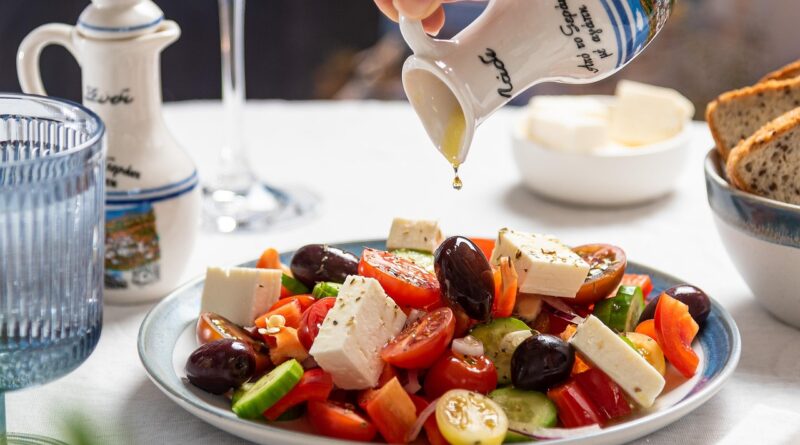
What to order when you search for Mediterranean food near me
A local search with a menu decision behind it
When someone searches for mediterranean food near me, the need is usually immediate: where can I get a good meal nearby, and what should I order once I find a place? A useful answer is more than a list of local restaurants. It should help the searcher read a menu quickly and understand which options fit the occasion.
Mediterranean-style meals often work best when they bring together vegetables, legumes, grains, seafood or lean protein, olive oil-based fats, herbs, and sauces used with purpose rather than excess. That mix makes the category relevant for people who want takeout or delivery that feels fresh, filling, and adaptable.
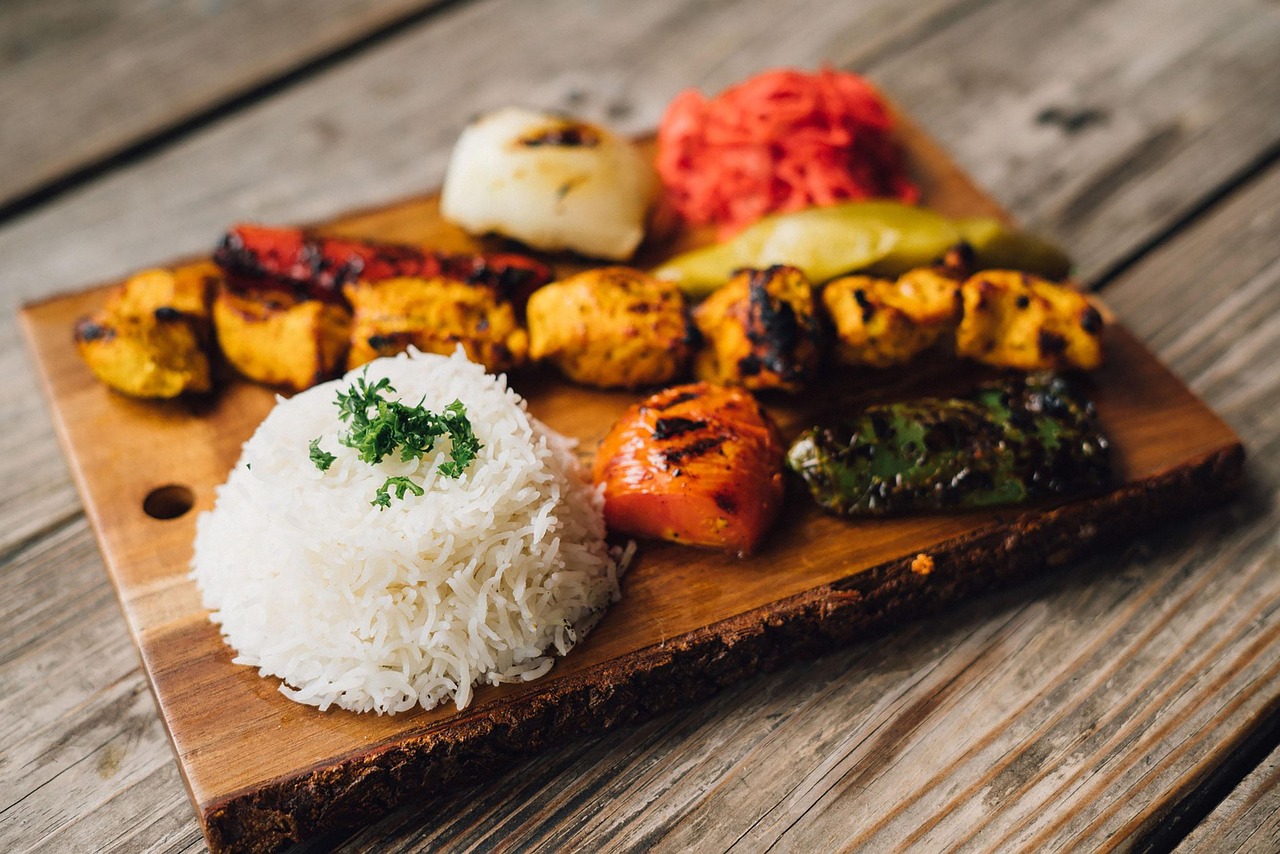
For readers tracking foodservice and packaged-food trends, the same search also points to broader demand. Local restaurants, delivery platforms, meal kits, dips, wraps, bowls, and refrigerated prepared foods are all trying to answer the same question: how can Mediterranean flavor become an everyday meal? For more food category coverage, visit the Food & Beverages section.
Why near me changes the way people choose Mediterranean food
Google has explained that location is an important factor in search results for businesses with physical locations, including restaurants and stores. That matters because Mediterranean food is not a single standardized menu type in the United States. A local result may point to a Greek grill, Lebanese bakery, Turkish kebab shop, Israeli-style falafel counter, Italian seafood restaurant, fast-casual bowl brand, or a grocery prepared-foods section using Mediterranean cues.
This variety is useful, but it also makes the phrase broad. Some menus reflect foodways from around the Mediterranean basin. Others use the label mainly for familiar ingredients such as hummus, feta, olives, pita, shawarma, grilled chicken, couscous, or tzatziki. Searchers should read the menu before assuming that a restaurant matches a specific diet pattern or cultural cuisine.
The best local choice depends on the meal occasion: a quick lunch bowl, a shared mezze plate, a family takeout dinner, a high-protein post-workout meal, or a lighter option before travel.
What makes a Mediterranean order more balanced
Public nutrition guidance offers useful guardrails. The 2025–2030 Dietary Guidelines for Americans, released in January 2026, emphasize whole foods, nutrient-dense protein, vegetables, fruits, healthy fats, and high-fiber foods. Mayo Clinic’s current Mediterranean diet guidance describes a flexible eating pattern that favors plant foods, fish, poultry, beans, herbs, spices, and smaller amounts of red and processed meat. Taken together, these sources support a practical ordering principle: choose the structure of the meal before adding extras.
- Start with plants. Look for salads, grilled vegetables, chopped tomato-cucumber mixes, eggplant, greens, lentils, chickpeas, or beans.
- Add a protein that fits the occasion. Grilled fish, chicken, eggs, beans, lentils, falafel, or yogurt-based sauces can all play a role, but preparation method matters.
- Use grains as a base, not the whole meal. Rice, bulgur, couscous, pita, farro, or whole-grain wraps can add satisfaction, especially when paired with vegetables and protein.
- Pay attention to fats and sauces. Olive oil, tahini, nuts, seeds, yogurt, and avocado-style modern additions can support flavor, but portions still matter.
- Rely on herbs and acid for brightness. Lemon, parsley, mint, oregano, garlic, vinegar, and spices can reduce the need for heavy sauces or excess salt.
The point is not to make every local order perfect. It is to avoid treating a Mediterranean label as automatic proof of a balanced meal.
A practical menu checklist before you order
Whether you are comparing restaurants in a maps app or scanning a delivery menu, the following checklist can help separate a flexible Mediterranean meal from a heavy meal using Mediterranean branding.
| Menu signal | Why it matters | Smarter choice |
|---|---|---|
| Grilled, roasted, baked, or broiled proteins | Cooking method affects the overall meal profile. | Choose grilled chicken, fish, shrimp, kebab, or vegetables more often than deep-fried mains. |
| Legumes on the menu | Beans, lentils, and chickpeas add fiber and plant protein. | Look for lentil soup, hummus, chickpea salad, bean sides, or falafel with vegetables. |
| Vegetables available as sides | A balanced plate needs volume and texture beyond bread and rice. | Add salad, grilled vegetables, pickled vegetables, or greens instead of doubling starches. |
| Sauces listed clearly | Sauces can be flavor assets or hidden calorie and sodium drivers. | Ask for tahini, garlic sauce, tzatziki, or dressing on the side when ordering takeout. |
| Seafood options | Fish is common in many Mediterranean-style patterns. | Choose lower-mercury seafood when relevant, especially for pregnant people, breastfeeding people, and children following FDA/EPA advice. |
| Combo meals and platters | Value meals can encourage oversized portions. | Split large platters, save leftovers safely, or choose a bowl with one protein, one grain, and extra vegetables. |
This checklist is intentionally simple because ordering decisions are often made quickly. The strongest signal is usually menu transparency: clear ingredients, clear preparation methods, and enough flexibility to adjust sides and sauces.
How food trends are supporting Mediterranean formats
The National Restaurant Association’s 2026 culinary forecast points to several broad themes that fit Mediterranean menu development: global comfort foods, health and wellness, value, quality, and protein-forward choices. The forecast does not claim that Mediterranean food will dominate every market. It does help explain why bowls, wraps, dips, grilled proteins, and shareable small plates remain attractive formats for operators and packaged-food brands.
Consumer nutrition language is moving in a similar direction. The 2025 International Food Information Council Food & Health Survey, fielded among U.S. adults in March 2025, reported that protein, freshness, and lower sugar were among the leading ways consumers defined a healthy food. Mediterranean-style offerings can speak to those cues without feeling like diet food. A chicken shawarma bowl, salmon plate, lentil soup, or hummus-and-vegetable snack box can communicate protein, freshness, flavor, and convenience at the same time.
For fast-moving consumer goods, this creates room for refrigerated dips, marinated proteins, grain bowls, salad kits, frozen entrées, ready-to-heat falafel, herb sauces, and snack packs. The caution is that Mediterranean cues should not be reduced to packaging colors and a sprinkle of feta. Ingredient quality, sodium levels, portion size, and credible flavor development determine whether a product earns repeat purchases.
Takeout, delivery, and grocery choices to compare
A strong Mediterranean meal can come from several channels. The right channel depends on freshness, timing, budget, and how much assembly the customer is willing to do. See also: baby&kids.
- Dine-in works well for grilled seafood, hot flatbreads, mezze spreads, and dishes where texture matters immediately.
- Takeout works best when sauces, salads, and crispy items are packed separately. This keeps greens fresher and helps prevent fried or roasted items from steaming in the container.
- Delivery is convenient, but long travel time can reduce quality. Bowls, stews, soups, rice plates, and grilled proteins usually travel better than delicate salads or crisp pita.
- Grocery assembly can be the most practical option when no strong local restaurant is nearby. Hummus, canned chickpeas, tuna or sardines, salad greens, cherry tomatoes, olives, whole-grain pita, Greek yogurt, herbs, and prepared grains can create a quick Mediterranean-style plate at home.
Food safety matters across all channels. CDC restaurant food safety guidance says leftovers should be refrigerated within two hours of preparation, or within one hour in warm environments such as a hot car, and eaten within three to four days. That guidance is especially relevant for takeout with seafood, chicken, dairy-based sauces, rice, or cooked vegetables.
Common trade-offs in local Mediterranean menus
Mediterranean food often carries a health halo, but local menus vary widely. A bowl with extra rice, pita, fried falafel, creamy sauce, feta, olives, and a sweet drink can become heavier than expected. In contrast, an order built from lentil soup, grilled chicken or fish, salad, vegetables, and a modest amount of sauce can be satisfying without depending on oversized portions.
Sodium is another common trade-off. Olives, feta, pickles, cured meats, sauces, and seasoned proteins can be delicious and traditional in moderation, but they can add up quickly. If sodium is a concern, choose more fresh vegetables, ask for sauce on the side, limit cured meats, and balance salty toppings with unsalted grains or greens. People with medical conditions should follow clinician guidance rather than treating a restaurant menu as personalized nutrition advice.
Vegetarian options also deserve a closer look. Falafel, hummus, lentils, beans, and yogurt can be filling, but a vegetarian wrap made mostly of bread, fries, and sauce may not deliver the same balance. For a plant-forward order, look for legumes plus vegetables, not just a meatless version of a starch-heavy meal.
Seafood is valuable in many Mediterranean-style patterns, but FDA/EPA fish advice is especially important for pregnant people, breastfeeding people, and young children because mercury levels vary by fish type. For most local diners, the practical step is simple: choose a variety of seafood and pay attention to official lower-mercury guidance when it applies.
Frequently asked questions
Is Mediterranean food near me always healthy?
No. Mediterranean food can be balanced, flavorful, and nutrient-dense, but the label alone does not guarantee a lighter meal. Preparation method, portion size, sauces, sodium, and the balance of vegetables, grains, and protein matter more than the category name.
What should I order first at a Mediterranean restaurant?
If you are unsure, start with a simple plate or bowl: vegetables or salad, one protein, one grain or pita portion, and one sauce on the side. Lentil soup, grilled chicken, fish, chickpea salad, hummus with vegetables, and yogurt-based sauces are common entry points.
Are bowls better than wraps?
Not automatically. Bowls make it easier to add vegetables and control sauces, while wraps can be convenient and portable. A wrap with grilled protein, vegetables, and a moderate sauce can be a good meal. A bowl overloaded with starches and toppings may be less balanced than it looks.
What if there are no Mediterranean restaurants nearby?
Use grocery shortcuts. Combine hummus or beans, salad greens, tomatoes, cucumbers, olives, herbs, canned fish or grilled chicken, whole-grain pita, and yogurt or tahini sauce. This can satisfy the same flavor profile without depending on a local restaurant listing.
How should food brands and operators interpret near me demand?
Near me demand shows that convenience and local availability are part of the value proposition. Operators and brands should focus on clear menus, portable formats, fresh cues, protein options, credible ingredients, and packaging that protects texture during takeout and delivery.