
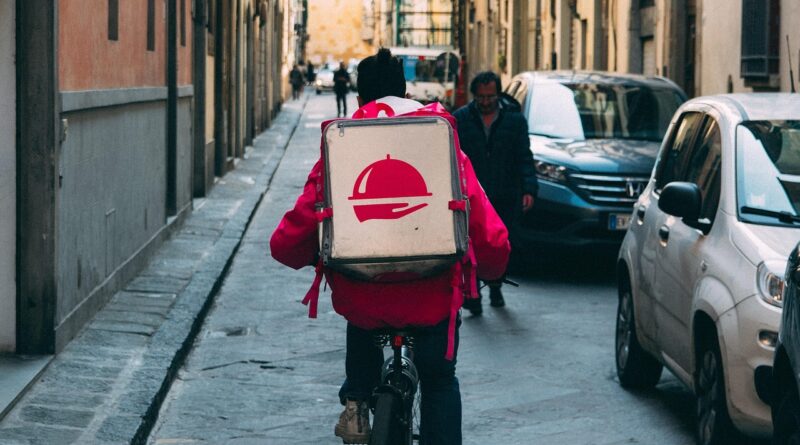
Chinese food delivery near me and what to check before you order
What the search really means
When a diner searches for “chinese food delivery near me,” the need is immediate, but the choice is not always simple. The diner is usually looking for more than the closest restaurant. They want food that arrives hot, tastes close to the dine-in version, has clear pricing, comes within a reliable time window, and can be handled safely after delivery.
For Chinese restaurants, that creates both an opportunity and an operating challenge. Many familiar dishes are well suited to delivery, but fried textures, noodles, soups, sauces, and family-style portions all need careful menu design and packaging. The broader market supports this shift. The National Restaurant Association’s 2025 off-premises research described takeout, delivery, and drive-thru as essential parts of restaurant demand, not temporary pandemic-era habits.
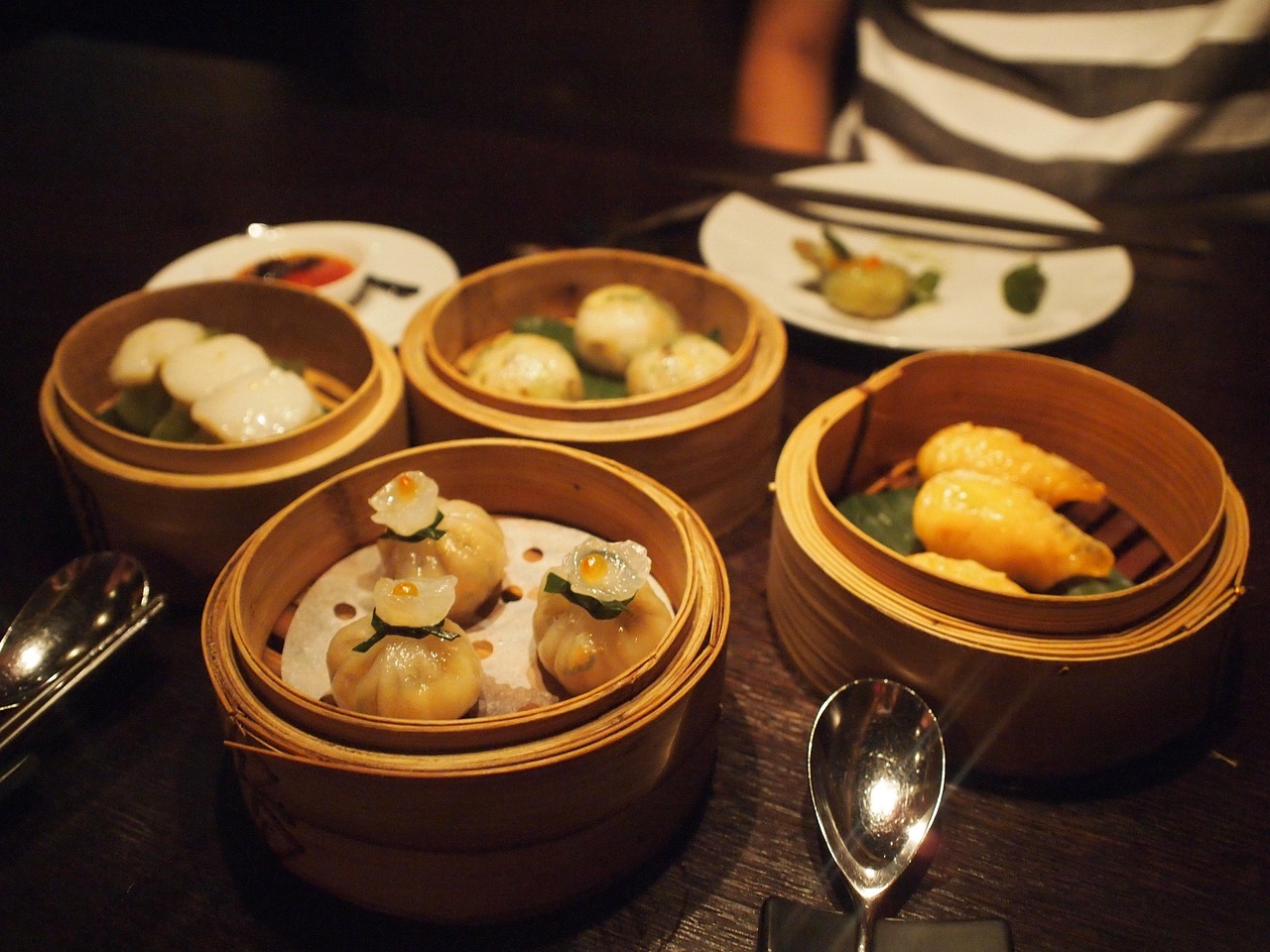
For more food and beverage industry coverage, visit the Food & Beverages section.
Why Chinese delivery remains a strong local search category
Chinese food has several characteristics that make it a natural fit for delivery searches. Many menus are built around shareable portions, rice or noodle bases, quick-cooked proteins, vegetables, sauces, dumplings, soups, and combination meals. These formats work for weeknight dinners, office lunches, group orders, and late meals. One order can cover different preferences, from spicy and mild dishes to vegetarian options, fried appetizers, soup, rice, noodles, and larger entrees.
The search phrase also shows how consumers now make restaurant decisions. Instead of starting with a brand name, many diners begin with a category and a location. They compare estimated arrival time, delivery fees, minimum order value, ratings, photos, menu clarity, and promotions before choosing. In that moment, the restaurant with the most useful local information often has an advantage over one that only offers a long menu.
Industry data helps explain why this matters. The National Restaurant Association reported in its 2025 off-premises coverage that nearly three-quarters of restaurant traffic now happens away from the dining room, including takeout, delivery, and drive-thru. The same research highlighted that value deals, limited-time offers, buy-one-get-one promotions, and off-peak discounts resonate with about eight in ten off-premises customers. For a local Chinese restaurant, a clear lunch special, family bundle, or free-item threshold can be more persuasive than a broad menu with no visible value cue.
What diners should compare before choosing a nearby option
The closest restaurant is not always the strongest choice. A practical way to evaluate Chinese delivery is to look at five signals: distance, menu fit, price transparency, packaging confidence, and recent feedback.
- Distance and timing: A shorter route can help food arrive hotter and reduce the risk of soggy fried items. The estimated delivery time should also make sense for the daypart and traffic conditions.
- Menu fit: Some dishes are naturally delivery-friendly, while others depend heavily on packaging. Rice plates, stir-fries, dumplings, braised dishes, and many noodle dishes usually hold up better than delicate fried items sealed in containers for a long trip.
- Total price: Delivery fees, service fees, small-order fees, menu markups, and tips can change the final cost. Diners should compare the total checkout price, not only the menu price.
- Packaging cues: Photos and reviews may show whether soups are sealed, sauces are separated, and fried items are vented or packed in a way that protects texture.
- Recent reviews: Reviews from the last few weeks are often more useful than old ratings because staffing, delivery radius, menu execution, and packaging can change.
For consumers, the most reliable order is often not the most adventurous one. It is the dish that matches the restaurant’s delivery strengths. A restaurant known for hand-pulled noodles may be a better choice for noodle bowls than for crispy fried appetizers during a long delivery window. A Cantonese-style restaurant with strong roast meats may perform well for rice plates and family meals. A Sichuan restaurant may be a better fit for sauced dishes, mapo tofu, spicy boiled fish, or dry pot items that can hold flavor after travel.
Which Chinese dishes usually travel well
No dish is guaranteed to arrive perfectly. Time, weather, driver routing, and packaging all affect the result. Still, some menu categories tend to be more resilient in delivery than others.
| Menu category | Delivery strengths | What to check |
|---|---|---|
| Rice plates and combination meals | Stable base, easy portioning, good value perception | Whether sauces are controlled so rice does not become soggy |
| Stir-fried vegetables and proteins | Strong flavor, fast cooking, broad menu variety | Whether vegetables remain crisp after transit |
| Dumplings and buns | Shareable, snackable, suitable for add-on orders | Whether fried items are vented and steamed items avoid excess condensation |
| Soups and noodle soups | Comfort-driven, popular in colder weather and dinner occasions | Whether broth is sealed and separated from noodles when needed |
| Braised or sauced dishes | Often hold heat and flavor well | Whether packaging prevents leaks and keeps portions intact |
| Crispy fried entrees | High consumer appeal and familiar flavors | Whether sauce can be packed separately to preserve texture |
For diners, a simple ordering tactic is to keep texture-sensitive items away from sauce-heavy items. Asking for sauce on the side, when the restaurant offers that option, can help preserve fried chicken, egg rolls, spring rolls, or tofu. For restaurants, the same principle becomes a menu-engineering decision: the online menu can identify items that travel especially well and note when sauces are packed separately.
Packaging and temperature control are now part of the product
Delivery has changed what “good food” means. In the dining room, the kitchen controls plating, temperature, and timing until the dish reaches the table. In delivery, packaging becomes part of the eating experience. The National Restaurant Association’s 2025 off-premises reporting found that upgraded packaging can influence what customers are willing to order for takeout or delivery, especially when it helps preserve temperature, taste, and quality.
For Chinese restaurants, packaging choices can directly affect the customer’s perception of value. A soup container that leaks can make an otherwise good meal feel careless. Fried food sealed without ventilation can lose texture. Heavy sauces packed with delicate items can change the dish before it reaches the door. Noodles left in broth for too long may absorb liquid and soften. These are operational details, but they also shape repeat ordering.
Food safety guidance matters as well. The U.S. Food and Drug Administration has highlighted best practices for direct-to-consumer and third-party delivery services, including risk assessment, packaging, temperature control, contamination prevention, and allergen control. The U.S. Department of Agriculture advises that perishable takeout or delivered food should be refrigerated as soon as possible and within two hours. USDA food safety guidance also identifies the temperature range between 40°F and 140°F as the “danger zone,” where bacteria can multiply more quickly.
Consumers should treat delivered meals as ready-to-eat food with a time limit. If the food will not be eaten promptly, leftovers should be cooled and refrigerated rather than left on the counter. Restaurants and delivery platforms, meanwhile, should view temperature control and tamper evidence as trust signals. A sealed bag, secure soup lid, separated sauces, and accurate handoff time can reassure customers before they even taste the food.
How restaurants can win the local delivery decision
The local search result is a crowded shelf. A Chinese restaurant may appear beside national chains, ghost kitchens, food halls, and other local operators. Winning the order often comes down to reducing uncertainty. The customer wants to know what will arrive, when it will arrive, what it will cost, and whether it will still taste good. See also: baby&kids.
Several improvements can make a delivery listing more persuasive:
- Use clear dish names: A menu item should be understandable to both regular customers and first-time diners. If a dish has a regional name, a short description can help.
- Show portion logic: Labels such as single serving, family size, lunch combo, or serves two to three reduce ordering friction.
- Separate delivery-friendly items: A short “travels well” or “popular for delivery” section can guide customers without overclaiming.
- Explain spice levels: Clear spice indicators help reduce disappointment and remake requests.
- Bundle strategically: Rice, entree, appetizer, and beverage bundles address the value concerns that off-premises customers often bring to the decision.
- Update hours and availability: Incorrect hours are especially damaging for “near me” searches because the diner is ready to buy now.
From an industry perspective, this is where fast-moving consumer goods thinking overlaps with restaurant delivery. The delivered meal functions like a packaged product for a short period of time. The customer judges it by labeling, bundling, packaging, convenience, freshness cues, and perceived value. Restaurants that treat delivery as a separate channel, not a direct copy of dine-in service, are better positioned to meet that expectation.
What the delivery shift means for food and beverage brands
The growth of off-premises dining also affects suppliers, beverage companies, sauce brands, packaging manufacturers, and prepared-food innovators. Chinese food delivery depends on more than the restaurant kitchen. It relies on containers, bags, labels, condiments, beverages, reheating instructions, and, in some cases, frozen or ready-to-cook extensions of popular dishes.
For packaging suppliers, the opportunity is practical rather than decorative. Restaurants need containers that manage steam, resist leaks, keep rice and sauces stable, protect fried textures, and stack securely for drivers. For sauce and condiment brands, delivery creates demand for portion-controlled packaging that is easy to open, clearly labeled, and less likely to spill. For beverage brands, delivery bundles can lift attachment rates when drinks are positioned as part of a meal solution rather than as an afterthought.
There is also a data angle. Online ordering systems reveal which dishes are reordered, which items attract complaints, which bundles convert, and where delivery distance begins to hurt satisfaction. Restaurants do not need to publish this data, but they can use it to refine menu design. A dish that performs well in the dining room may not deserve the same placement online if it repeatedly arrives below expectations. Conversely, a simple rice bowl or dumpling combo may become a delivery hero because it is dependable, affordable, and easy to package.
Frequently asked questions
How do I find reliable Chinese food delivery near me?
Compare more than distance. Look at recent reviews, estimated delivery time, total checkout cost, menu photos, packaging comments, and whether the restaurant identifies popular or delivery-friendly dishes. A nearby restaurant with clear packaging and recent positive delivery reviews may be a better choice than the closest listing.
What Chinese dishes are best for delivery?
Rice plates, stir-fries, dumplings, braised dishes, sauced entrees, and many noodle dishes usually travel better than delicate crispy items. Fried foods can still work well when sauce is packed separately and containers allow some ventilation.
Is delivered Chinese food safe to keep as leftovers?
Yes, if it is handled properly. USDA guidance says perishable takeout or delivery food should be refrigerated as soon as possible and within two hours. Leftovers should not sit at room temperature for an extended period, especially if they include meat, seafood, cooked rice, tofu, eggs, or dairy-based ingredients.
Why do delivery prices sometimes look higher than pickup prices?
The final delivery price can include menu markups, service fees, delivery fees, small-order charges, and tips. The best comparison is the total checkout price. Some restaurants offer better value through pickup, direct ordering, lunch specials, or family bundles.
What should restaurants improve first for Chinese delivery?
The highest-impact improvements are usually menu clarity, accurate hours, realistic timing, secure packaging, sauce separation for texture-sensitive items, and value-focused bundles. These changes reduce uncertainty for customers searching locally and can improve repeat orders.
The bottom line
Searching for “chinese food delivery near me” is a local decision, but it reflects a larger food and beverage trend. Delivery is no longer just an emergency convenience. It is a routine meal channel shaped by value, packaging, safety, menu design, and trust. Diners get better results when they choose dishes that travel well and compare total value rather than distance alone. Restaurants and suppliers gain an edge when they design for the delivery experience from the start. In a market where off-premises dining continues to influence customer behavior, the winning meal is not only cooked well. It is described clearly, packed intelligently, delivered reliably, and handled safely after it reaches the door.