
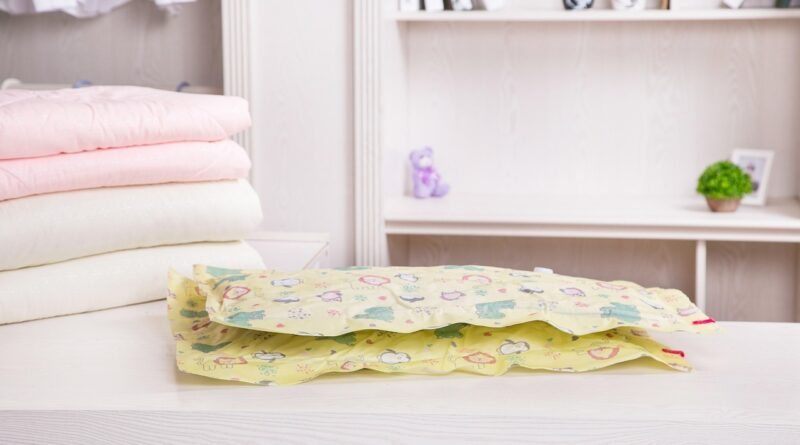
Room Essentials vacuum bags guide for closets, bedding and dorm storage
What shoppers mean by room essentials vacuum bags
Searches for room essentials vacuum bags usually come from shoppers looking for affordable compression storage for bedding, clothing, dorm rooms, apartments or moving. The phrase is not always tied to one current product. It may refer to older Room Essentials-branded storage items, Target’s broader household storage assortment, or similar vacuum-seal compression bags sold under other labels.
Rather than buying by brand name alone, compare the bag type, valve design, seal quality, size, fabric suitability and storage conditions. Vacuum bags are helpful for bulky soft goods, but they are not right for every textile. They also cannot solve dampness, mildew or fabric-care problems that already exist.
For more home storage and everyday cleaning coverage, visit the Household essentials section.
Why vacuum storage bags are useful for small spaces
Vacuum storage bags remove excess air from soft items, reducing bulk so closets, under-bed spaces and moving boxes are easier to manage. They are especially useful in dorm rooms, shared apartments and seasonal storage, where comforters, spare pillows, sweaters and off-season clothing can take up far more room than their weight suggests.
The benefit is not limited to compression. A sealed plastic barrier also helps keep dust, pet hair and closet debris away from clean items. That can be useful when bedding is stored under a bed, in a hall closet or inside a moving truck. Clear bags also make it easier to identify contents without opening every container.
Vacuum bags should still be treated as a space-saving tool, not a universal preservation method. Public guidance from the U.S. Environmental Protection Agency emphasizes moisture control as central to mold prevention, and museum textile guidance from the Smithsonian warns against sealing sensitive textiles in airtight plastic for long periods because condensation and limited air movement can damage fabrics. For everyday cotton sheets or synthetic blankets, a vacuum bag may be practical. For antique, delicate or high-value textiles, breathable storage is usually safer.
What to check before buying compression bags
When comparing Room Essentials-style vacuum bags with Brightroom, Open Story, SpaceAid, generic or supermarket alternatives, focus on the construction details that affect repeat use. The package may look simple, but small design differences can determine whether the bag stays compressed for a week, a season or only a few hours.
Seal and valve design
The zipper seal is the most common failure point. Look for a double-zip closure, a firm slider and a visible seal line that is easy to inspect. If the zipper track is thin, warped or difficult to align, air can creep back in even when the bag appears closed. A one-way valve should sit flat against the plastic and allow a standard vacuum hose to remove air without tearing the surrounding film.
Size and realistic capacity
Jumbo and extra-large bags are tempting because they can fit comforters and multiple blankets, but bigger is not always better. An overfilled large bag puts more pressure on seams and corners. Medium bags are often easier to manage for sweaters, children’s clothing, towels and dorm bedding sets. For moving, several medium bags can be safer than one oversized bag that becomes heavy, stiff and awkward to carry.
Plastic thickness and flexibility
Thicker plastic may resist punctures better, but flexibility matters too. Bags stored under beds or inside bins can rub against wood, metal bed frames or zipper pulls. Avoid sharp edges, exposed hangers and compressed shoes in the same bag. If the plastic feels brittle before use, it may crack when folded tightly after the air is removed.
Best uses for vacuum bags and where to be cautious
The best candidates are bulky, clean, dry and resilient soft goods. Everyday cotton, polyester, fleece and many synthetic blends generally tolerate short-term compression better than delicate fibers. Bedding, guest linens, seasonal throws, dorm towels and off-season sweatshirts are common examples.
Use more caution with wool, cashmere, silk, leather, fur, embellished garments, structured coats, heirloom textiles, memory foam and down-filled items. These materials can crease, lose loft, trap moisture or suffer surface damage when tightly compressed. A down comforter or sleeping bag depends on loft for warmth, so crushing it for a long period can reduce performance. A structured blazer may come out wrinkled or misshapen. A vintage embroidered piece may be safer wrapped in clean cotton or acid-free tissue and stored in a breathable container.
| Item type | Vacuum bag suitability | Practical note |
|---|---|---|
| Cotton sheets and towels | Good for seasonal storage | Wash and dry completely before sealing. |
| Synthetic blankets and fleece | Usually suitable | Avoid overfilling to protect seams. |
| Everyday sweaters and sweatshirts | Useful with caution | Fold loosely and inspect after storage. |
| Down comforters and sleeping bags | Use caution | Breathable, loose storage is often better for loft. |
| Wool, silk, leather and vintage textiles | Generally not ideal | Choose breathable storage for long-term care. |
| Damp laundry or musty items | Do not seal | Moisture and odor can be trapped inside. |
How to pack vacuum bags without creating new problems
A vacuum bag can only protect what goes into it. If the contents are damp, dusty, stained or carrying food residue, sealing them tightly can make the problem worse. A simple packing routine reduces the risk of odor, mildew, fabric stress and failed seals.
- Clean first. Wash or dry-clean items according to their care labels. Body oils, crumbs and stains can attract pests or become harder to remove after storage.
- Dry completely. Do not rely on the bag to protect slightly damp items. Moisture control is the main defense against mold and musty odors.
- Sort by fabric and weight. Keep towels with towels, bedding with bedding and delicate items out of compressed loads.
- Fold instead of stuffing. Flat, even layers compress more predictably and put less stress on the zipper track.
- Leave room near the seal. Overfilled bags are more likely to leak. The zipper should close smoothly without fabric caught in the track.
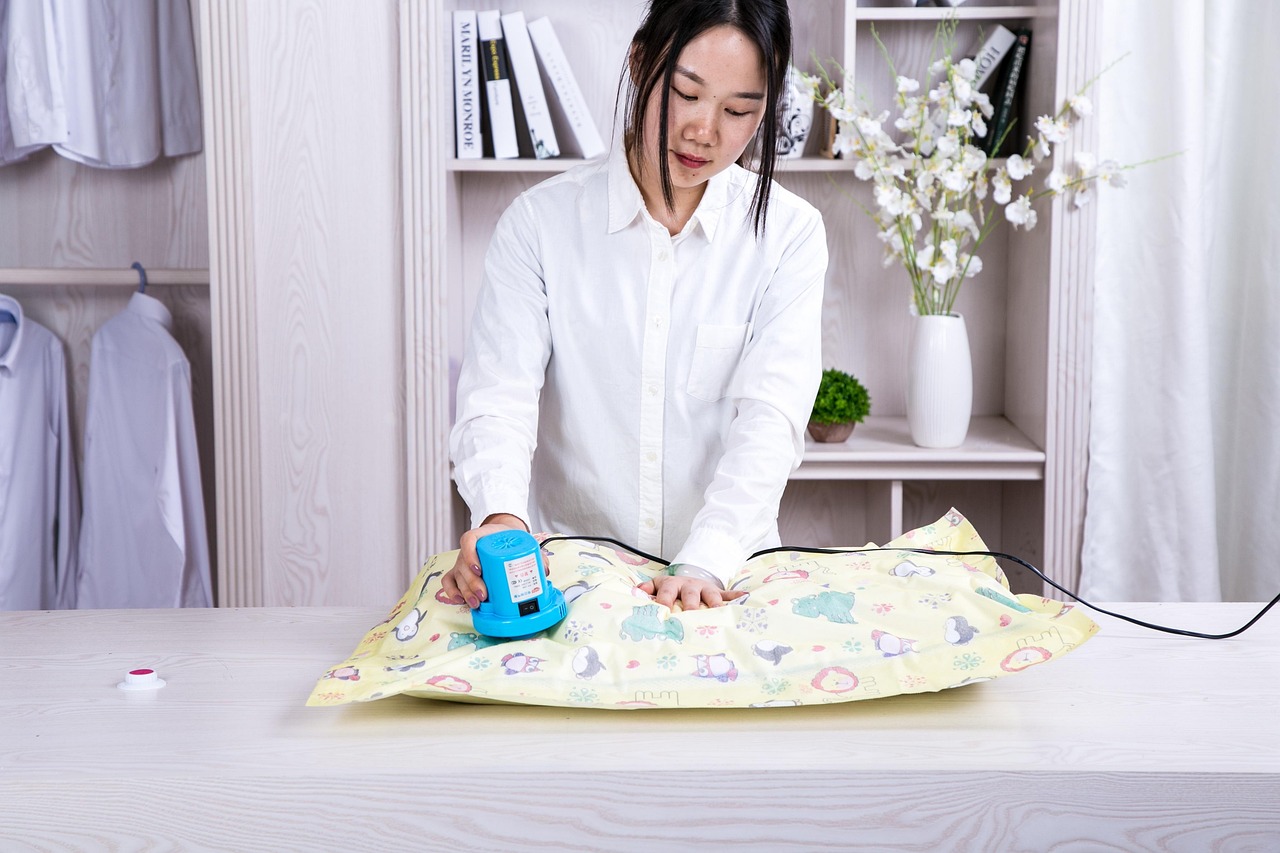
- Vacuum gradually. Stop when the bag is compressed and manageable. Maximum compression is not always necessary.
- Check after 24 hours. If the bag reinflates quickly, inspect the zipper, valve cap and corners before storing it out of sight.
For dorm rooms and first apartments, label each bag by season or room: winter bedding, extra towels, guest linens, holiday throws or move-in clothes. Clear labels reduce repeated opening, which helps preserve the seal and saves time later. See also: baby&kids.
Storage locations matter as much as the bag
Even a well-sealed bag should be kept in a stable, dry location. Closets, under-bed drawers and interior shelves are usually better than garages, attics or damp basements. Extreme heat can soften plastics and set wrinkles into fabrics. High humidity can create odor or condensation risks, especially if items were not fully dry before packing.
If the bag will sit on the floor, place it inside a bin or on a shelf to reduce puncture risk. Under-bed storage is convenient, but check for rough bed-frame edges and exposed screws. For moving, put compressed bags inside boxes or totes instead of using the bag itself as luggage. Vacuum bags are not designed to handle dragging, stacking pressure or sharp impacts the way moving cartons are.
Periodic inspection is also sensible. If a seasonal bag has been stored for several months, open it in a dry room, let fabrics relax, and check for odor or creasing. Repack only items that are still clean and dry. For long-term storage measured in years, especially for sentimental or valuable textiles, breathable storage with stable temperature and humidity is usually the better choice.
Buying notes for Room Essentials-style shoppers
Because retail private labels change over time, a shopper typing Room Essentials vacuum bags may not always find that exact name on current shelves. In recent retailer listings, vacuum and compression storage options are often grouped with home organization products and may appear under other store brands or third-party labels. In practice, the search intent is usually less about one label and more about finding a budget-friendly, reliable compression bag for household storage.
Before buying, compare the item details instead of relying on the product title alone. Check the number of bags per pack, dimensions, whether a pump is included, whether the bags require a vacuum hose, and whether the closure is intended for repeated use. Travel compression bags may roll by hand and fit suitcases; home vacuum bags typically use a valve and vacuum cleaner for stronger compression. The two styles are related, but they solve different storage problems.
Environmental claims also deserve caution. The Federal Trade Commission’s Green Guides explain that recyclable claims should be qualified when recycling access is limited. Plastic film items such as storage bags may not belong in curbside recycling programs in many communities. If sustainability is part of the buying decision, prioritize durable bags you can reuse, avoid unnecessary multi-packs, and follow local recycling or store drop-off instructions where available.
Frequently asked questions
Are Room Essentials vacuum bags the same as compression bags?
In everyday search language, many people use vacuum bags, vacuum storage bags and compression bags interchangeably. Technically, a vacuum storage bag removes air through a valve, while some travel compression bags are rolled by hand. Always check the closure and air-removal method before buying.
Can vacuum bags prevent mold?
No storage bag should be treated as a mold-prevention guarantee. Vacuum bags can help keep clean items isolated from dust and incidental moisture, but they can also trap moisture if fabrics are not fully dry. Mold prevention depends on clean, dry items and a dry storage environment.
How long should clothes stay in a vacuum bag?
For everyday seasonal clothing, vacuum bags can be practical when items are checked between seasons. For valuable, delicate or natural-fiber garments, avoid long-term airtight compression and use breathable storage instead. If an item looks crushed, smells musty or holds deep creases, remove it and let it recover before deciding whether to repack it.
Do vacuum bags work for dorm bedding?
Yes, they are useful for dorm bedding because comforters, spare sheets and towels take up a lot of space. Pack only clean and fully dry bedding, label each bag, and avoid storing compressed bags against sharp bed frames or rough closet hardware.
What should I avoid putting in vacuum bags?
Avoid damp laundry, dirty clothing, leather, fur, delicate silk, heirloom textiles, structured garments and items that depend on loft, such as down comforters or sleeping bags. When in doubt, choose breathable storage and light folding instead of heavy compression.