

Synergy health and wellness for everyday consumer choices
What synergy health and wellness means in practice
Synergy health and wellness is most useful when it describes a connected routine, not a single miracle product. For everyday consumers, the idea is straightforward: food choices, physical activity, sleep, stress recovery and label literacy tend to work better when they support one another. A lower-sugar drink, a protein-rich meal, a walk after dinner and a consistent bedtime are not competing wellness actions. They are parts of the same daily system.
For the fast-moving consumer goods market, this matters because many health decisions now happen in supermarkets, convenience stores, pharmacies and online carts. The practical goal is not perfection. It is to build a repeatable pattern that makes healthier choices easier while avoiding exaggerated claims that any snack, beverage or supplement can replace medical care.
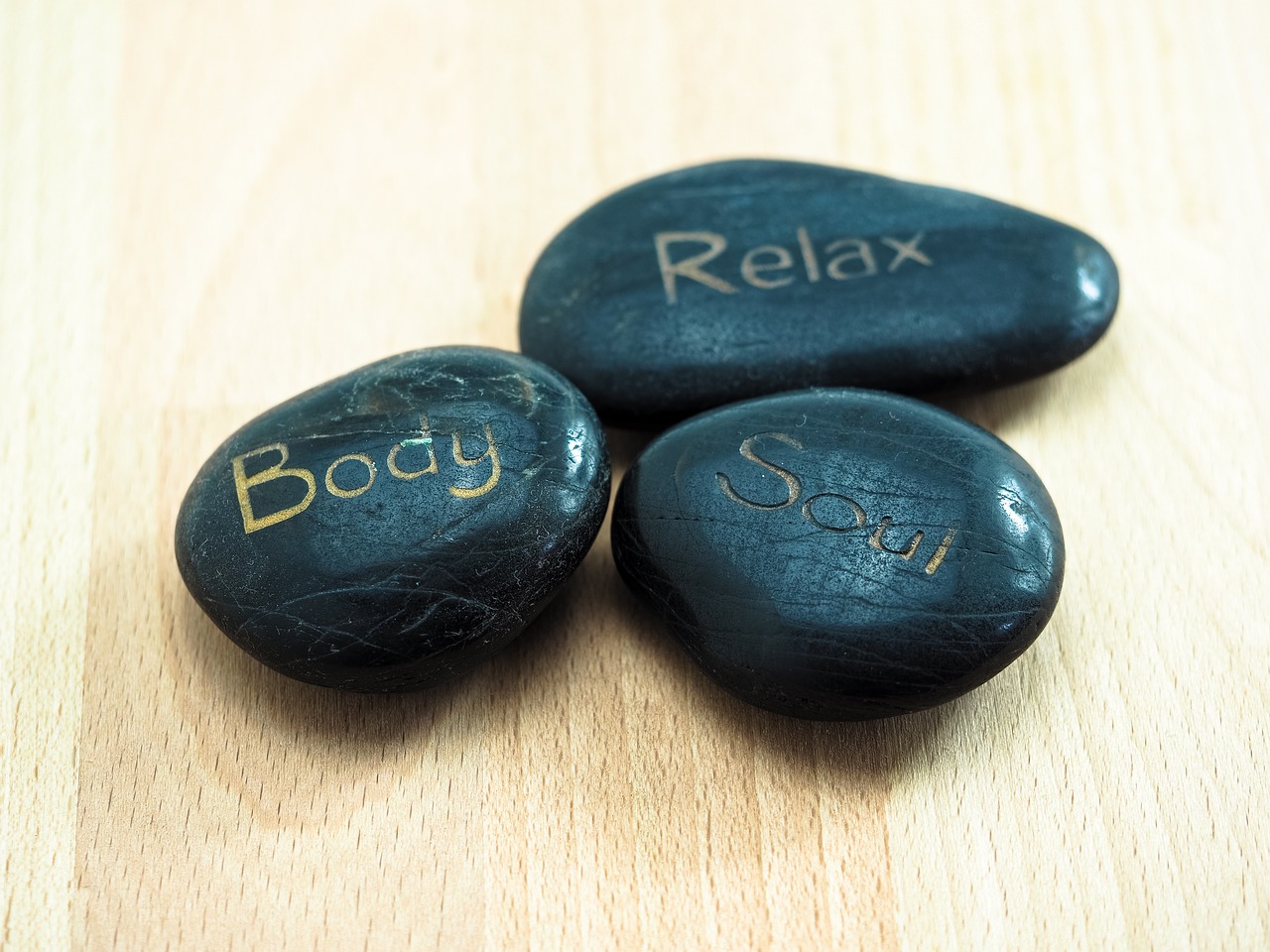
This article uses synergy health and wellness in that broad consumer-health sense. It is not a review of any similarly named clinic, app or local service. The focus is how consumers and brands can think more clearly about everyday health products, routines and evidence.
Why connected wellness matters for consumers
Wellness advice often arrives as separate instructions: eat better, move more, sleep longer, manage stress and read labels. In daily life, those behaviors interact. Poor sleep can make exercise harder. Stress can influence food choices. Highly sweetened beverages can crowd out more nutrient-dense options. A product that supports one habit may be more useful when it fits into a broader pattern.
Public health data show why this integrated view matters. CDC National Center for Health Statistics data for August 2021 through August 2023 reported that 40.3% of U.S. adults age 20 and older had obesity, 9.7% had severe obesity and another 31.7% were overweight. That does not mean every consumer should pursue the same body goal, but it does show that routine food, movement, sleep and health-system factors are not niche concerns. (cdc.gov)
The American Heart Association’s Life’s Essential 8 framework also reflects a systems view. It groups four health behaviors, including diet, physical activity, nicotine exposure and sleep, with four health factors, including weight, blood lipids, blood glucose and blood pressure. For consumers, the key point is that cardiovascular wellness is influenced by a cluster of habits and measurable markers rather than one isolated choice. (heart.org)
The core pillars of a synergistic routine
Nutrition and label literacy
Food remains the most visible part of daily wellness because it is purchased repeatedly. The current Dietary Guidelines for Americans, 2025-2030, were released on January 7, 2026, and USDA describes them as the current edition. The guidance emphasizes whole, healthy and nutritious foods while limiting highly processed foods, added sugars and refined carbohydrates. For shoppers, this supports a practical rule: judge a packaged product by how it helps the overall eating pattern, not by one front-of-pack claim. (fna.usda.gov)
Label literacy is especially important for products marketed around energy, mood, immunity or gut health. The FDA explains that the Daily Value for added sugars is 50 grams per day on a 2,000-calorie diet. That makes the Nutrition Facts label a practical tool. A beverage or snack may fit into a day, but repeated high added-sugar choices can quickly reduce room for more nutrient-dense foods. (fda.gov)
Movement that fits real life
Physical activity does not need to be positioned as a separate lifestyle identity. It can be part of commuting, errands, chores, recreation or planned exercise. WHO’s 2020 guidelines recommend that adults do 150 to 300 minutes of moderate-intensity aerobic activity per week, or 75 to 150 minutes of vigorous-intensity activity, with muscle-strengthening activity also encouraged. The same guidance recognizes that people can start with small amounts and build over time. (who.int)
This has direct implications for consumer products. A sports drink may be relevant for long or intense activity but unnecessary for a short casual walk. A high-protein snack may help someone bridge a busy afternoon, but it still needs to be considered within total diet quality. Synergy comes from matching the product to the behavior, not buying the product and hoping the behavior follows.
Sleep and stress recovery
Sleep is often missing from product-led wellness conversations, yet it affects how people experience energy, appetite, mood and training. CDC guidance for adults lists 7 or more hours per night as the recommended amount. A caffeine product, relaxation tea, magnesium supplement or sleep accessory should therefore be judged by whether it supports a consistent routine and safe use, not by whether it promises a dramatic transformation. (cdc.gov)
Stress management belongs in the same system. NIH and NIMH consumer guidance commonly points to exercise, enough sleep, balanced eating, hydration and enjoyable activities as practical mental health supports. These are not substitutes for professional care when someone has persistent symptoms or a diagnosed condition, but they are realistic foundations for daily resilience. (nimh.nih.gov)
Where everyday products can help and where they cannot
Fast-moving consumer goods can make healthy patterns easier when they reduce friction. Ready-to-eat fruit, plain yogurt, fortified staples, lower-sugar drinks, canned beans, frozen vegetables, whole-grain products and portion-aware snacks can all support better routines when they are affordable, available and clearly labeled. The limitation is that products cannot carry the whole burden of wellness. A product can be useful without being a treatment, and a functional ingredient can be promising without being proven for every consumer.
Probiotics are a good example of why responsible interpretation matters. The National Center for Complementary and Integrative Health explains that probiotics are live microorganisms that may be beneficial, but strong evidence is lacking for many uses, and effects can vary by strain, dose and condition. In other words, probiotic foods and supplements should be evaluated specifically, not treated as interchangeable gut-health solutions. (nccih.nih.gov) See also: baby&kids.
| Product category | Possible role in a synergistic routine | What to check before buying |
|---|---|---|
| Lower-sugar beverages | Can help reduce added sugar intake when replacing sweetened drinks | Added sugars, caffeine level, serving size and total daily pattern |
| Protein snacks | May support satiety or recovery when meals are delayed | Protein source, calories, saturated fat, sodium and added sugars |
| Fortified foods | Can help fill specific nutrient gaps in a practical format | Which nutrient is added, amount per serving and whether the gap is real |
| Probiotic products | May support digestive routines for some people and specific uses | Strain information, storage needs, evidence for the claimed benefit and medical cautions |
| Caffeine and energy products | Can support alertness when used carefully | Total caffeine intake, timing, sleep impact and interaction with stress levels |
A practical weekly framework for consumers
A synergy-based routine works best when it is simple enough to repeat. Consumers do not need to redesign every meal or buy a cabinet of wellness products. A better starting point is to connect one product choice with one behavior and one measurable cue.
- Start with breakfast or the first meal. Build around a protein source, fiber-rich food and water or an unsweetened beverage when practical.
- Use labels for trade-offs. If a snack is high in added sugars or sodium, balance the rest of the day with less-processed meals rather than treating the label as a moral score.
- Pair movement with existing routines. A short walk after lunch or dinner may be easier to maintain than a complicated exercise plan.
- Protect sleep timing. Notice whether caffeine, alcohol, late meals or screen-heavy evenings are disrupting the 7-hour sleep target for adults.
- Keep functional products specific. Buy a probiotic, electrolyte drink or fortified food for a defined reason, not because the category sounds healthy.
For more practical coverage of daily wellness habits and consumer product trends, visit the Health & Wellness section.
How brands and retailers can communicate synergy responsibly
For FMCG brands, synergy health and wellness creates a clear commercial opportunity, but it also raises the standard for communication. Consumers are increasingly exposed to vague wellness language. Claims should be specific, explain the product’s role and avoid implying that an everyday item can diagnose, treat or prevent disease unless it meets the relevant regulatory standard.
Responsible communication can follow four principles. First, connect the product to a realistic use occasion, such as hydration during extended activity or a lower-sugar option with lunch. Second, make the trade-offs easy to see by presenting serving size, added sugars, sodium, caffeine and key nutrients clearly. Third, avoid treating single ingredients as magic words. Fourth, respect the limits of consumer self-care by encouraging professional advice for medical conditions, pregnancy, medication interactions or persistent symptoms.
Retailers can also support better choices without turning stores into clinics. Shelf tags, comparison tools, recipe ideas and category education can help shoppers understand how products fit into meals and routines. The strongest approach is not to label every item as good or bad. It is to help consumers build baskets that support consistent nutrition, movement, sleep and recovery goals.
Frequently asked questions
Is synergy health and wellness a product category?
Not exactly. It is better understood as a way to connect health behaviors and product choices. Some companies may use similar wording as a brand name, but for everyday consumers the concept is about how nutrition, activity, sleep, stress management and label literacy work together.
Can packaged foods be part of a healthy routine?
Yes, if they support the overall pattern. Frozen vegetables, canned beans, yogurt, whole-grain foods and portion-aware snacks can be practical. The key is to read the Nutrition Facts label and ingredient list, then consider how the item fits with the rest of the day.
Are functional beverages necessary for wellness?
Usually not. Some functional beverages can be useful in specific situations, such as electrolyte replacement during long activity or a lower-sugar swap for a sweetened drink. They should not replace water, meals, sleep or medical care.
What is the biggest mistake consumers make with wellness products?
The biggest mistake is expecting one product to solve a multi-factor problem. Better results usually come from repeatable habits: nutrient-dense foods, regular movement, adequate sleep, stress recovery and appropriate medical guidance when needed.
How should someone start if their routine feels overwhelming?
Choose one anchor habit for the next week. For example, prepare a balanced first meal, walk for 10 minutes after dinner, replace one sugary drink or set a consistent bedtime. Synergy grows when small choices reinforce each other over time.