
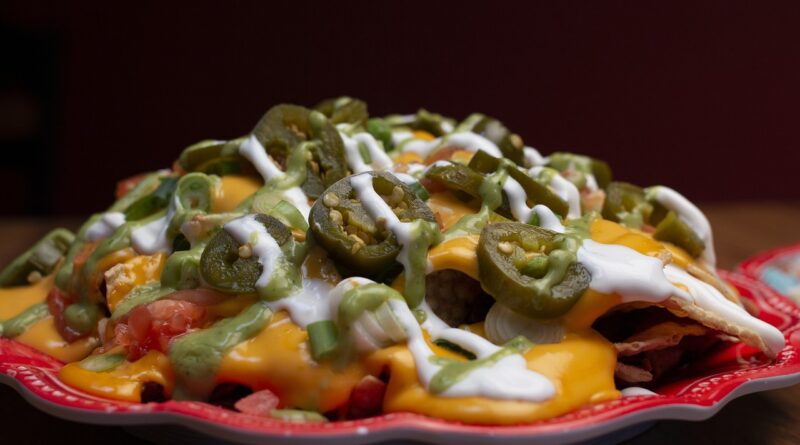
Mexican food in the U.S. market is moving from familiar favorite to flexible flavor platform
Why Mexican food now works as a mainstream market signal
Mexican food holds an unusual position in the U.S. food and beverage market. It is familiar enough for routine meals, yet broad enough to support new product formats, flavor systems, and menu ideas. For restaurants, retailers, frozen food manufacturers, snack brands, sauce companies, and beverage developers, the opportunity is not simply to add tacos or salsa. The larger opportunity is to understand why Mexican food moves so easily across formats: it can deliver heat, acidity, comfort, portability, color, texture, and value cues in the same eating occasion. For more coverage of consumer categories and packaged goods, visit the Food & Beverages section.
Public data helps explain the scale. Pew Research Center reported in January 2024 that 11% of U.S. restaurants serve Mexican food, based on SafeGraph and Yelp data. Pew also found that 85% of U.S. counties had at least one Mexican restaurant, while counties without one accounted for only about 1% of the U.S. population. In demographic terms, Pew reported in 2025 that roughly 40 million U.S. residents were of Mexican origin in 2024, representing 57% of the U.S. Hispanic population. These figures do not mean every consumer wants the same menu item, but they show why Mexican food functions as a national food language rather than a niche cuisine.
What U.S. consumers are actually eating
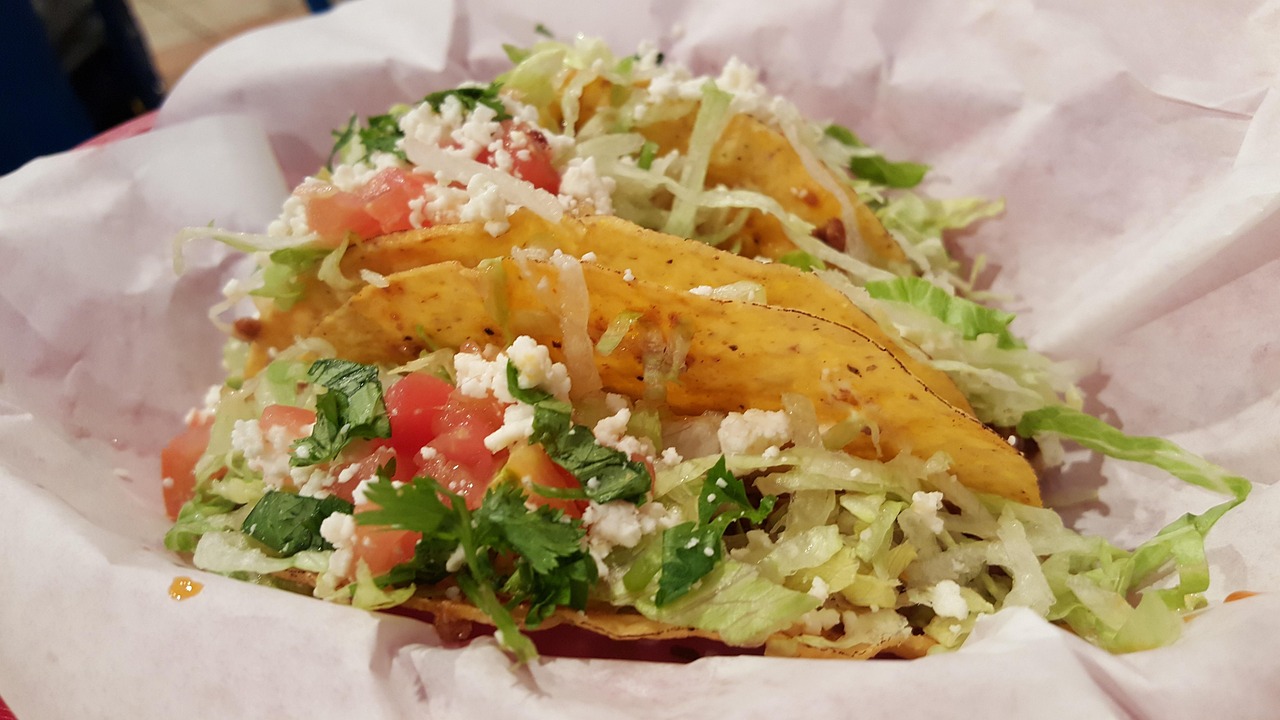
The strongest consumption evidence comes from the U.S. Department of Agriculture. In a December 2024 Dietary Data Brief using What We Eat in America, NHANES 2017 through March 2020 prepandemic data, USDA researchers found that 13% of U.S. adults aged 20 and older consumed at least one selected Mexican food on any given day. The report also found that tacos represented 39% of the Mexican foods reported by adult consumers, while burritos represented 23%.
That pattern matters for product strategy. Tacos and burritos are modular formats. They can carry different proteins, beans, rice, vegetables, sauces, cheeses, and heat levels without losing consumer recognition. They also translate well into frozen meals, meal kits, refrigerated grab-and-go items, school and workplace dining, convenience-store foodservice, and limited-time restaurant offers. Their commercial strength comes less from one fixed recipe than from their adaptability.
The USDA brief also noted that grocery stores and fast food restaurants were primary sources of Mexican food and Mexican food ingredients among adults. For packaged goods companies, that makes Mexican food relevant beyond dine-in restaurants. It can operate as a retail pantry category, a prepared-meal category, a snacking category, and a foodservice category at the same time.
The definition problem is important
Any serious discussion of Mexican food in the U.S. needs careful definitions. USDA researchers specifically noted that foods commonly called Mexican in the U.S. may have originated in regions of present-day Mexico, Central America, or the southwestern United States, including Tex-Mex. Pew likewise counted restaurants with Tex-Mex and taco tags within its Mexican food category. That does not make the category invalid, but it does mean industry readers should not treat the phrase as a single culinary identity.
Traditional Mexican cuisine has a deeper cultural meaning than a retail shelf label. UNESCO inscribed traditional Mexican cuisine on its Representative List of the Intangible Cultural Heritage of Humanity in 2010, describing it as a comprehensive cultural model involving farming, culinary techniques, community customs, and traditional knowledge. For brands, that broader view is useful because it pushes innovation beyond surface-level heat or decoration. Corn, beans, chiles, squash, herbs, masa, slow cooking, salsas, fermentation, nixtamalization, and community-based food traditions are all part of the story.
For marketers, the risk is oversimplification. A generic claim such as authentic Mexican flavor can feel empty if the product does not identify a region, ingredient tradition, preparation method, or serving context. More specific language, such as salsa verde, achiote-citrus marinade, masa-based snack, roasted poblano flavor, or Baja-style sauce, gives buyers clearer expectations and reduces the chance of flattening a highly regional cuisine into one vague profile.
Ingredient platforms that make Mexican food commercially flexible
Mexican food works across categories because its core ingredients can be recombined without losing recognition. A sauce can move from restaurant tacos to bottled condiments. A chile-lime profile can move from street corn to chips, nuts, popcorn, frozen vegetables, or ready-to-drink beverages. A bean-and-rice base can support budget meals, plant-forward bowls, refrigerated entrees, or school foodservice.
| Platform | Common role | Product implication |
|---|---|---|
| Masa and tortillas | Carrier for tacos, tostadas, quesadillas, chips, wraps, and frozen meals | Useful for handheld convenience, portion control, and gluten-free positioning when appropriate |
| Beans | Protein, fiber, texture, and value base | Supports plant-forward meals without requiring unfamiliar ingredients |
| Chiles and salsas | Heat, acidity, color, and freshness cues | Allows mild-to-hot product ladders and regional flavor differentiation |
| Corn, lime, and cheese | Street-food flavor cues, especially in elote-style applications | Works in snacks, frozen sides, dips, sauces, and foodservice limited-time offers |
| Aguas frescas and horchata-style profiles | Refreshing beverage associations | Can support nonalcoholic, premium, seasonal, and food-pairing beverage programs |
This flexibility explains why Mexican-inspired products often appear in adjacent categories rather than only in the international aisle. A shopper may buy salsa as a condiment, tortilla chips as a snack, a burrito as a meal, taco seasoning as a cooking shortcut, and a lime-chile sparkling drink as a beverage. The same flavor system can serve multiple shopping missions.
Regional and street-food cues are replacing generic positioning
The next stage of Mexican food innovation is likely to be more specific, not broader. This does not mean every mass-market product must become a regional culinary lesson. It means consumers are increasingly exposed to named dishes, regional sauces, and preparation styles through restaurants, social media, travel, streaming content, and specialty grocery stores. A general taco flavor may still sell, but it competes in a crowded space. A product that explains its chile, sauce, filling, texture, or regional inspiration has a clearer reason to exist.
Examples of more specific cues include birria-style slow-cooked meat, Yucatán-inspired achiote and citrus, Oaxacan mole-style sauces, Sonoran-style flour tortilla formats, Baja-style seafood cues, and elote-inspired corn, lime, cheese, and chile combinations. These references should be used carefully. If a brand claims regional inspiration, the ingredient list, sensory profile, and usage suggestion should support that claim. Otherwise, the language can read as decoration rather than product truth.
Street-food cues remain commercially useful because they communicate immediacy, aroma, handheld eating, and bold contrast. For quick-service restaurants and convenience-store foodservice, that can mean portable formats with layered sauces and toppings. For packaged goods, it can mean snack coatings, frozen appetizers, dips, or meal components that balance creamy, acidic, crunchy, smoky, and spicy elements.
Health, value, and transparency now shape the opportunity
Mexican food can support both indulgent and better-for-you positioning, which is one reason the category has staying power. Beans, corn, vegetables, salsas, avocado, herbs, seafood, lean meats, and fresh acidity all offer routes toward nutrient-dense meals. At the same time, some popular U.S. formats can be high in sodium, saturated fat, refined carbohydrates, or calories when they rely heavily on fried shells, large flour tortillas, cheese sauces, processed meats, and oversized portions.
The current Dietary Guidelines for Americans, 2025-2030, released by USDA and HHS in January 2026, emphasize diets built on whole, nutrient-dense foods and recommend reducing intake of highly processed foods with refined carbohydrates, added sugars, excess sodium, unhealthy fats, and chemical additives. For Mexican food brands, that guidance does not reduce the category’s appeal. It raises the bar for formulation and labeling. See also: baby&kids.
Practical responses include using beans and vegetables as visible ingredients, offering controlled heat without excessive sodium, building sauces around roasted vegetables and chiles rather than only salt and sugar, and giving consumers clear preparation suggestions. In frozen meals, brands can use portion architecture to balance tortilla, rice, beans, protein, vegetables, and sauce. In snacks, smaller serving formats and bolder seasoning can help deliver flavor without relying only on salt intensity.
Value is equally important. The National Restaurant Association’s 2026 culinary forecast, published in late 2025, highlighted comfort, health, and value as major forces shaping menus. Mexican food fits that mix because it can be affordable, filling, customizable, and emotionally familiar. However, value should not mean cheapness alone. It can also mean a product that solves dinner quickly, provides multiple servings, works for mixed households, or delivers restaurant-style flavor at home.
Beverages are part of the Mexican food story
Food companies often separate cuisine innovation from beverage strategy, but Mexican food shows why that split can be limiting. Flavor-forward beverages can extend the eating occasion and add margin in restaurants, convenience stores, and retail meal bundles. The National Restaurant Association’s 2026 Beverage Trends report, discussed publicly in August 2026, described beverages as strategic traffic drivers and pointed to consumer interest in specialty lemonades, juices, smoothies, teas, coffee drinks, craft sodas, and other nonalcoholic options.
For Mexican food occasions, the beverage opportunity includes lime, tamarind, hibiscus, mango, pineapple, watermelon, cucumber, cinnamon-rice, coffee, chile, and salt-acid flavor systems. These flavors can be applied in aguas frescas-inspired drinks, sparkling beverages, mocktails, frozen drinks, cold brew pairings, and meal bundles. The key is balance. A chile-mango beverage, for example, should feel refreshing rather than simply hot. A horchata-style product should communicate creaminess, spice, and sweetness clearly while meeting modern expectations around sugar content and ingredient transparency.
For retail, pairing matters. A shelf-stable sauce, tortilla chip, salsa, and nonalcoholic beverage bundle can turn Mexican food from a single item into an occasion. For foodservice, beverage attach can help operators create a more complete value proposition without changing the core menu.
What food and beverage brands should watch next
Several practical signals deserve attention. First, watch how regional language appears on menus and packaging. The more specific the reference, the more important it becomes to support it with credible ingredients and preparation cues. Second, monitor the heat ladder. Consumers do not all want maximum spice; many want layered heat with smoke, fruit, acid, herbs, or creaminess. Third, track the role of Mexican food in convenience formats, including breakfast burritos, frozen handhelds, refrigerated bowls, snack kits, and prepared dips.
Fourth, pay attention to cross-category migration. Elote-style seasoning, birria-style sauce, salsa macha-inspired crunch, tajín-style chile-lime-salt profiles, and mole-inspired sweet-savory complexity can appear in snacks, sauces, frozen meals, and limited-time restaurant items. Fifth, treat authenticity as a responsibility, not a shortcut. Brands do not need to claim ownership of cultural traditions, but they should avoid vague borrowing when a clearer ingredient story would serve the consumer better.
The main conclusion is straightforward: Mexican food in the U.S. is already mainstream, but its growth potential depends on specificity. The next wave is less about proving that Americans like tacos and more about building products that respect regional variety, meet value expectations, fit modern health concerns, and move easily across meals, snacks, sauces, and beverages.
Frequently asked questions
What counts as Mexican food in U.S. market data?
It depends on the source. USDA’s adult consumption brief focused on selected foods such as tacos, burritos, quesadillas, nachos, enchiladas, tamales, and related items. Pew’s restaurant analysis included Mexican, Tex-Mex, and taco-tagged restaurants. Because definitions vary, category claims should always state the source and scope.
Is Tex-Mex the same as Mexican food?
No. Tex-Mex is a regional U.S.-Mexico border food tradition with its own history and ingredients. In U.S. market data, it is often grouped under Mexican food for practical classification, but product developers should treat Tex-Mex and regional Mexican cuisines as distinct references.
Why does Mexican food work well for packaged goods?
It has recognizable carriers, sauces, seasonings, and meal structures. Tortillas, beans, rice, chiles, salsas, cheese, lime, and grilled or slow-cooked proteins can be adapted into snacks, frozen meals, condiments, meal kits, dips, and prepared foods.
What is the biggest product risk for brands?
The biggest risk is generic positioning. A product that says Mexican flavor without explaining its sauce, chile, region, format, or eating occasion may struggle to stand out. Specificity, truthful labeling, and balanced formulation are more durable than broad cultural shorthand.