
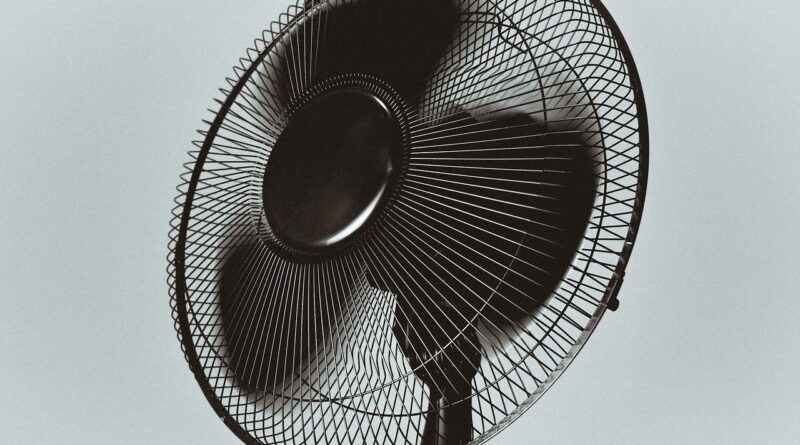
Home essentials fan guide for everyday cooling, airflow and energy use
Why a fan belongs in the household essentials category
A home essentials fan is a practical comfort product because it solves several everyday problems: it moves air, helps people feel cooler and gives households more flexibility in managing indoor comfort. It is not a substitute for air conditioning during dangerous heat, and a standard fan does not clean the air on its own. Used correctly, however, a fan can make bedrooms, kitchens, living rooms, home offices and dorm spaces more comfortable without taking up much space. For anyone building a basic household essentials list, the decision is not simply whether to buy a fan. The better question is which type fits the room, how it will be used and what safety details should be checked before daily operation.
The key point is that fans cool people, not rooms. The U.S. Department of Energy explains that ceiling fans create a wind-chill effect, and that using one can allow many households to raise the thermostat by about 4°F without reducing comfort when people are in the room. It also advises turning fans off when leaving, because the benefit comes from air movement over occupants rather than from lowering the room temperature itself. (energy.gov)
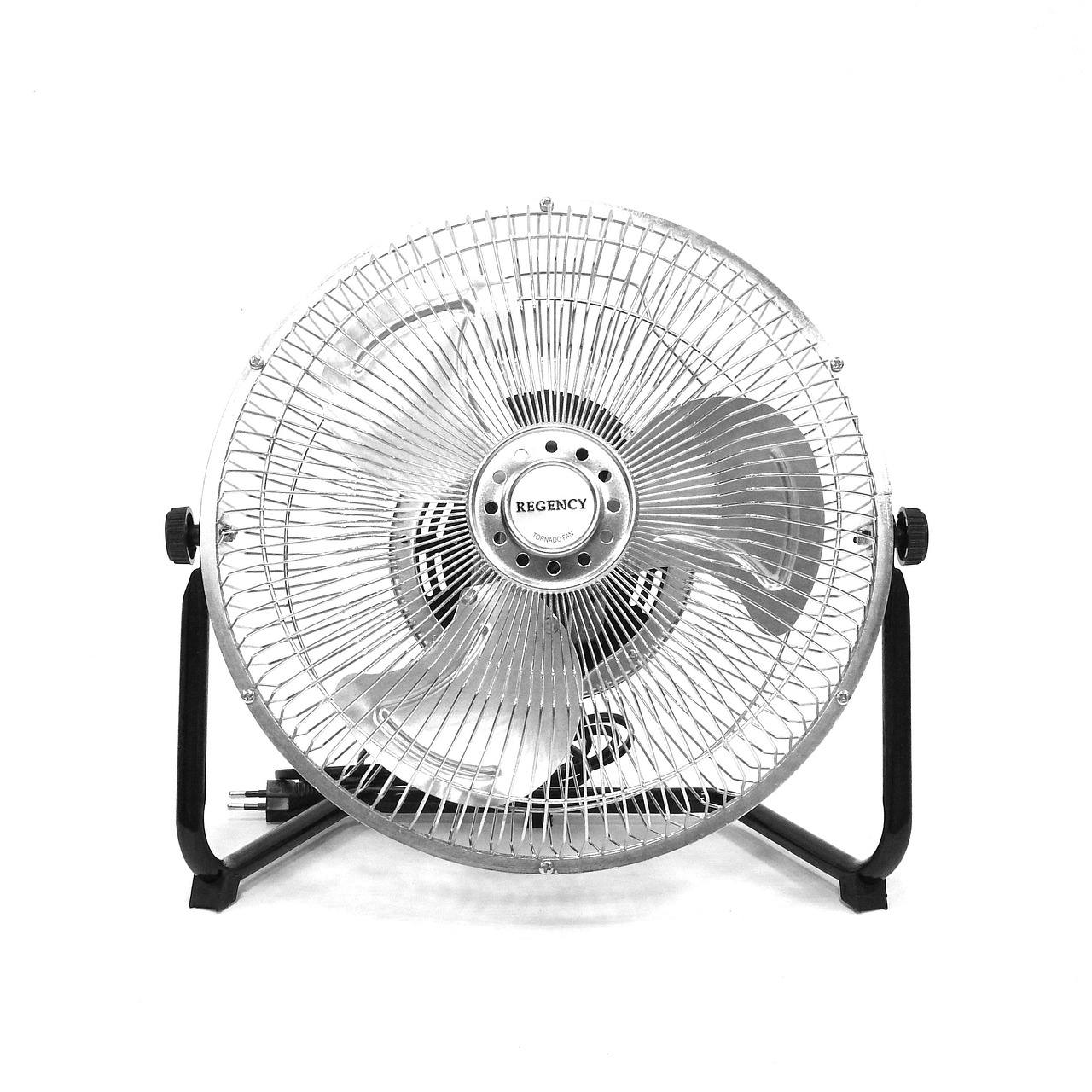
What a fan can and cannot do
A household fan is best viewed as an airflow tool. It can improve perceived comfort, reduce stagnant air and help distribute conditioned air around a room. Under suitable outdoor conditions, it can also support ventilation when placed near a window. What it cannot do is act as a full climate-control system, a dehumidifier or an air purifier unless it is part of a separate filtered device.
That distinction matters because many buying mistakes come from expecting one product to solve every comfort problem. A compact desk fan may be ideal for personal cooling while working, but it will not move enough air across a large living room. A high-velocity floor fan may be useful in a garage or workshop, but it may be too loud or forceful for a bedroom. A ceiling fan can distribute air widely, but it is not portable and depends on correct installation.
There is also a heat-safety limit. The CDC warns that fans may provide comfort but are not enough to prevent heat-related illness during very hot conditions. Its heat guidance notes that temperatures above 90°F can make fan use less protective and, in some circumstances, can increase body temperature. In extreme heat, cooling centers, air conditioning, hydration and health guidance become more important than airflow alone. (cdc.gov)
Main fan types for everyday home use
Choosing a fan starts with the room and the daily habit it needs to support. Most households do not need every fan type, but understanding the differences helps avoid products that are underpowered, awkward to store or unnecessarily noisy.
| Fan type | Best fit | Useful strengths | Common limits |
|---|---|---|---|
| Desk or table fan | Workstations, bedside tables, small rooms | Compact, affordable, easy to move | Shorter airflow range |
| Tower fan | Bedrooms, apartments, living spaces | Slim profile, often quieter, usually includes oscillation | Can be harder to clean deeply |
| Pedestal fan | Living rooms, shared rooms, flexible placement | Adjustable height, wide airflow coverage | Takes floor space and may be easier to tip if poorly placed |
| Box fan | Window airflow, utility spaces, budget cooling | Strong airflow for the price, simple design | Bulkier, often louder, exposed placement concerns |
| Ceiling fan | Bedrooms, living rooms, dining areas | Whole-room air movement, no floor space needed | Requires installation and correct ceiling clearance |
| Exhaust fan | Bathrooms, kitchens, laundry areas | Removes moisture, odors and some contaminants outdoors | Not a personal cooling product |
For many homes, the most versatile setup is a ceiling fan or pedestal fan for shared areas, plus a smaller personal fan for work or sleep. In apartments and rentals, portable fans are often more realistic than installed fixtures. In humid bathrooms or cooking areas, an exhaust fan serves a different purpose: it removes air rather than circulating it indoors. The EPA notes that bathroom and kitchen fans that exhaust outdoors can remove contaminants directly from the room and increase outdoor-air ventilation. (epa.gov)
Energy use and thermostat strategy
The energy value of a fan depends heavily on user behavior. Running a fan all day in an empty room adds electricity use without improving anyone’s comfort. Running a fan while people are present, then raising the air-conditioning set point slightly, can be more sensible because the airflow helps occupants feel cooler.
Ceiling fans are the clearest example. The Department of Energy’s consumer guidance says a ceiling fan can let users raise the thermostat about 4°F without losing comfort, provided people are in the room. ENERGY STAR consumer guidance also says that raising a thermostat by only two degrees while using a ceiling fan can lower air-conditioning costs by up to 14% over a cooling season, while repeating the reminder that fans cool people rather than the room. (energy.gov)
Efficiency labels can also matter when comparing installed fans. ENERGY STAR materials state that certified ceiling fan and light units are about 60% more efficient than conventional fan-light units, with light kits producing much less heat. For a product that may run for years, efficiency belongs in the purchase decision alongside airflow, noise and design. (energystar.gov)
For day-to-day use, the practical rule is simple: use the lowest comfortable speed, combine the fan with a reasonable thermostat setting, and turn it off when the room is empty. Remote controls, timers and smart plugs can support that habit, but they do not replace safe placement and common-sense operation.
How to choose the right home essentials fan
Match airflow to room size and activity
A fan used for sleeping should be quiet, stable and easy to control in the dark. A fan used in a kitchen should be simple to wipe down and positioned away from loose paper, burners and water. A fan used in a home office should deliver targeted airflow without blowing directly into microphones, documents or eyes. Rather than shopping only by maximum speed, compare the real use case: personal cooling, whole-room circulation, window exchange or moisture removal.
Check noise before aesthetics
Noise tolerance varies by room. A stronger motor may feel useful in a living area but become distracting beside a bed. If a product lists decibel levels, compare them at normal operating speeds rather than only at the lowest setting. If it does not list noise data, look for practical design clues such as larger blades, multiple speed settings, a stable base and a sleep or quiet mode. These features do not guarantee silence, but they help shoppers think beyond color and shape.
Look for control and cleaning practicality
Oscillation, tilt, height adjustment, timers and removable grilles can make a fan easier to use over time. Cleaning access is especially important because dust buildup affects hygiene and can reduce performance. A sleek tower fan may suit a narrow space, but if the grille is difficult to clean, it may be less practical for homes with pets, dust or heavy seasonal use.
Consider safety certification and build quality
For electrical products, a recognized safety mark is a meaningful purchase signal. OSHA’s Nationally Recognized Testing Laboratory program recognizes private-sector organizations that test and certify products to applicable safety standards, and each laboratory uses its own certification mark. In practice, shoppers often see marks from organizations such as UL, ETL or CSA on electrical products. (osha.gov)
Build quality also shows up in the details: a stable base, a cord that exits cleanly, smooth speed controls, a grille that keeps fingers away from blades and a motor housing that does not rattle. Low price matters for a household essential, but a fan that tips easily, smells hot during operation or has a loose plug should not be treated as a bargain. See also: baby&kids.
Safe placement and daily operation
Portable fans are simple products, but they still combine electricity, moving parts and cords. The Consumer Product Safety Commission’s 2026 portable fan safety guidance highlights secure placement and keeping cords clear of foot traffic to reduce tripping hazards at home. That advice is especially relevant in bedrooms, children’s rooms, hallways, dorms and small apartments where cords often cross walking paths. (cpsc.gov)
- Place the fan on a stable, level surface where it cannot fall into a walkway.
- Keep cords away from doors, rugs, wheels, pets and high-traffic areas.
- Do not use a fan with a damaged cord, loose plug, cracked housing or burning smell.
- Keep portable fans away from tubs, sinks and wet floors unless the product is specifically designed and rated for that environment.
- Unplug the fan before cleaning the grille or blades.
- Avoid placing paper, curtains or lightweight fabric where they can be pulled into the grille.
Window use requires extra care. A fan placed in or near a window can help bring cooler outdoor air in or push indoor air out, but it should be stable and protected from rain. During poor outdoor air quality, wildfire smoke or heavy pollen, bringing outdoor air inside may be the wrong choice. In those situations, a portable air cleaner or HVAC filtration strategy is different from basic fan circulation. The EPA states that portable air cleaners and improved HVAC filtration can help improve indoor air quality, while effectiveness depends on both filtration efficiency and airflow through the device. (epa.gov)
Seasonal use and maintenance
A fan can be useful beyond the hottest weeks of the year. In spring and fall, window or portable fans can support fresh-air strategies when outdoor conditions are comfortable. In summer, fans can improve perceived cooling when people are present. In winter, some ceiling fans can run in reverse at low speed to help redistribute warm air that gathers near the ceiling. ENERGY STAR guidance explains that ceiling fans commonly run counterclockwise in summer and clockwise in winter for comfort, though owners should still check the product manual because blade design and switch labeling can vary. (energystar.gov)
Maintenance is usually straightforward but often overlooked. Dust the grille regularly, clean blades when accessible, check that screws and guards remain secure, and store portable fans in a dry area when not in use. For fans with filters or connected air-cleaning accessories, follow the filter replacement schedule rather than assuming airflow means filtration is still effective.
Households with children, older adults or pets should review placement more often. A fan that was safe in one season may become a hazard after furniture changes, a new pet, a toddler learning to walk or a different extension-cord setup. Treat the fan as part of the room layout, not just a small appliance placed in an open corner.
Buying checklist for a practical household fan
Before purchasing, use a short checklist to keep the decision focused:
- Primary purpose: personal cooling, whole-room circulation, exhaust, window airflow or support for air conditioning.
- Room fit: floor space, ceiling height, outlet location, furniture layout and storage space.
- Comfort features: speed range, oscillation, tilt, timer, remote control and nighttime usability.
- Noise level: acceptable sound at the speed likely to be used most often.
- Cleaning access: removable grille, reachable blades and dust-resistant design.
- Safety signs: stable base, intact cord, suitable certification mark and no visible defects.
- Energy habit: whether the fan will help raise thermostat settings while people are present, rather than running continuously in empty rooms.
The best fan for a household essentials list is not always the strongest model or the one with the most features. It is the one that fits the room, operates safely, is easy to clean and supports a realistic comfort routine. For a dorm room, that may be a compact desk fan with a stable base. For a family living room, it may be a pedestal or ceiling fan. For a bathroom, it may be a properly vented exhaust fan rather than a portable cooling fan.
Frequently asked questions
Is a fan cheaper to use than air conditioning?
Generally, a fan uses far less electricity than central air conditioning or a room air conditioner, but savings depend on how it is used. The biggest opportunity is not running a fan constantly; it is using airflow to stay comfortable while setting the thermostat a little higher when people are in the room.
Should I leave a fan on when I leave the room?
Usually no. Department of Energy guidance says fans cool people, not rooms, so leaving a fan running in an empty room wastes energy unless there is a specific ventilation or drying purpose.
Can a fan replace an air purifier?
No. A standard fan moves air but does not remove fine particles, gases or allergens. Air cleaning requires filtration or another treatment method, and the EPA notes that effectiveness depends on both the filter’s ability to collect pollutants and the amount of air moved through the cleaning element.
What is the safest fan for a child’s room?
Look for a stable design, a protective grille, secure cord placement, simple controls and an appropriate safety certification mark. Keep cords out of reach and avoid placing portable fans where they can be pulled over from a bed, crib or play area.
What is the most versatile fan for small apartments?
A tower fan or adjustable pedestal fan is often the most versatile because it can serve bedrooms and shared spaces without permanent installation. The better choice depends on available floor space, noise tolerance and how easy the fan is to clean.