
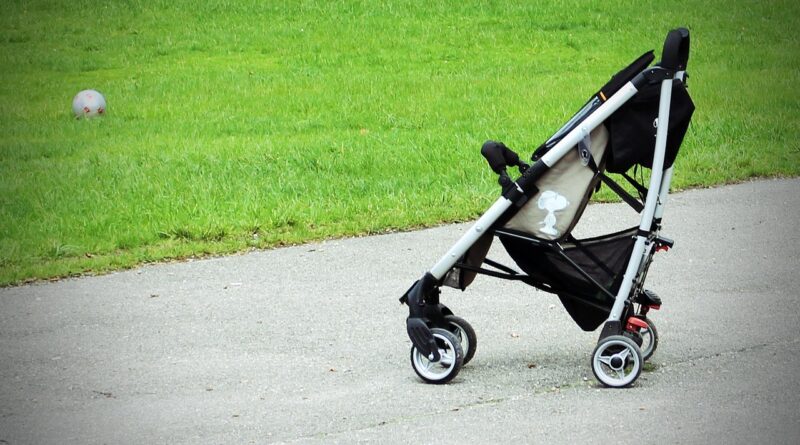
How to choose a baby pram for safe everyday use
Start with safety, not style
A baby pram has to do three basic jobs well: support the child’s age and posture, stay stable during everyday movement, and be simple enough for caregivers to use correctly every time. Color, fabric, cup holders, and one-handed folding can influence a purchase, but they should come after the core safety checks: a secure harness, reliable brakes, a stable base, a locking frame, and clear age and weight instructions.
In the United States, the Consumer Product Safety Commission classifies carriages and strollers as regulated durable infant or toddler products. Its safety framework covers areas such as stability, brakes, restraint systems, latches, folding mechanisms, structural integrity, cords, wheels, and openings. For parents, retailers, and anyone comparing models, the practical point is simple: choose a pram designed for the child’s stage, supplied with clear instructions, and eligible for registration so recall notices can reach the owner.
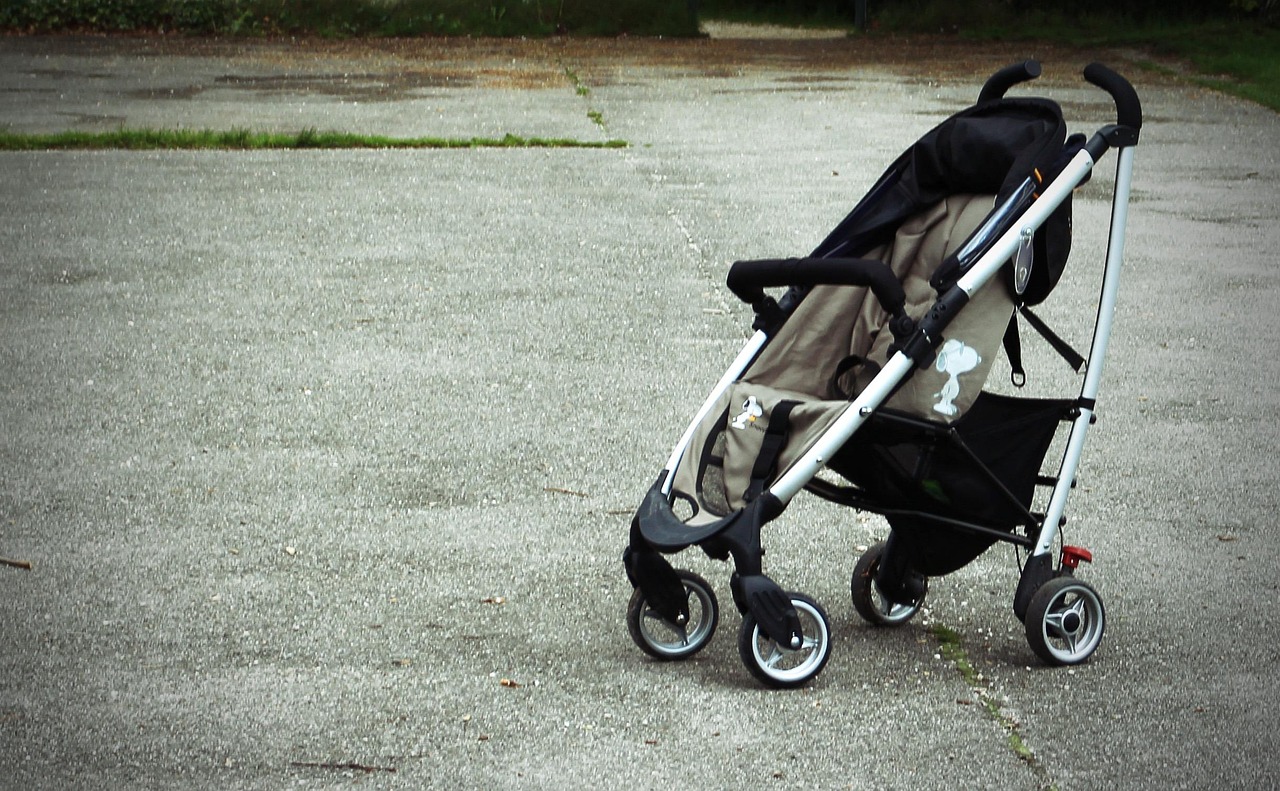
For more product guidance across family essentials, visit the baby and kids section.
Understand what “baby pram” means before comparing models
The word “pram” is used differently across markets. In many English-speaking regions, it often refers to a wheeled carriage with a bassinet-style space where a young infant can lie down. In the U.S., shoppers more often see the term “stroller,” while safety rules distinguish a carriage from a stroller by the child’s position: a carriage is generally for infants lying down, while a stroller is generally for infants or children sitting up or semi-reclined.
That difference matters. A newborn needs different support from an older baby who can sit independently. A newborn pram should provide the recline, head support, and manufacturer-approved configuration needed for early infancy. A toddler stroller may put more emphasis on seated comfort, upright visibility, maneuverability, and higher weight capacity.
Before comparing price or design, define the main use case:
- Newborn walks: look for a lie-flat bassinet, a newborn-approved seat recline, or a compatible infant car seat used exactly as instructed.
- Urban errands: prioritize compact folding, strong brakes, smooth steering, and a basket placed low on the frame.
- Travel: check folded size, weight, shoulder strap options, and whether the frame locks closed.
- Two children: compare tandem and side-by-side layouts, total weight capacity, footrest design, and balance when only one seat is occupied.
Check standards, labels, and recall readiness
A pram should not be judged by appearance alone. In regulated markets, manufacturers and importers must meet applicable safety rules before sale. In the U.S., carriages and strollers fall under 16 CFR Part 1227, which incorporates ASTM F833 as the key performance specification for carriages and strollers. ASTM describes the standard as covering safety performance requirements, test methods, and labeling requirements intended to reduce hazards to children.
For consumers and trade buyers, the label and documentation should answer basic questions without guesswork. The manual should state the approved age, weight, height, recline positions, compatible accessories, cleaning guidance, warnings, and the correct way to lock the frame open. The product should also include tracking information and registration details so owners can receive recall or safety notices.
Voluntary certification marks can add confidence, but they do not replace reading the manual. The Juvenile Products Manufacturers Association certification program, for example, is voluntary and based on applicable ASTM standards, federal and state laws, and certain retail requirements. A certification mark may be useful, but buyers still need to confirm that the exact model, configuration, and accessories match the child’s stage and the intended market.
Match the pram to the child’s stage
Newborns need recline and airway awareness
For a newborn, the key question is not whether the pram looks soft or well padded. It is whether the product is approved for a newborn’s posture. Babies who cannot sit independently need a position that supports the head, neck, and airway. A flat bassinet or newborn-approved recline can be appropriate when the manufacturer permits it, but caregivers should not add pillows, loose blankets, or aftermarket inserts that are not approved for the model.
The American Academy of Pediatrics recommends that babies sleep on a firm, flat, non-inclined surface for routine sleep. It also warns against using sitting devices such as strollers and car seats as regular sleep spaces, especially for infants younger than 4 months. If a baby falls asleep in a pram or car seat during an outing, caregivers should follow pediatric guidance and move the baby to an appropriate sleep surface as soon as practical.
Older babies need secure seated support
Once a baby can sit with better control, comfort and visibility become more important. Even then, the harness remains essential. The American Academy of Pediatrics advises using a five-point harness with straps over the shoulders, at the hips, and between the legs whenever a child rides in a stroller. A three-point lap belt may look simpler, but a five-point harness offers better retention when the child leans, twists, or reaches.
Toddlers need capacity and behavior checks
For toddlers, the weight limit is only one part of the fit check. A taller child may still be within the weight rating but feel cramped under the canopy or lack proper seat-back support. Active toddlers may lean, stand, or shift suddenly. Choose a pram or stroller with clear limits, a buckle that adults can operate easily, and a frame that remains stable during realistic daily use.
Prioritize the safety features that prevent common problems
Most good prams share a familiar list of safety features. The real difference is how consistently those features work when a caregiver is tired, carrying bags, parking on a slight slope, or folding the frame in a busy space. See also: Buying Guides.
- Brakes: choose brakes that are easy to engage and check that they hold on a slight slope. The American Academy of Pediatrics notes that a brake locking two wheels provides an extra measure of safety compared with one-wheel locking.
- Wide, stable base: a broader base helps reduce tipping risk, especially when turning, stopping, or moving over uneven pavement.
- Five-point harness: shoulder, hip, and crotch straps help keep the child positioned correctly. The buckle should be secure but not so difficult that caregivers avoid using it.
- Locking frame: the pram should lock fully open before the child is placed inside. Folding hinges should not expose fingers to pinch points during normal use.
- Low storage basket: storage should sit low and near the rear wheels. Hanging heavy bags from the handle can shift the center of gravity and increase tipping risk.
- Wheel security: wheels and swivel assemblies should feel firm, with no wobble, cracking, or detachment risk during normal movement.
These features work best when paired with safe habits. Set the brake whenever the pram is stopped. Keep children away from the frame while folding or unfolding. Avoid overloading accessories. Never leave a child unattended in the pram, even for a short time.
Compare pram types by real daily trade-offs
No single pram design fits every household. The better question is which compromise is easiest to manage for the caregiver who will use it most often.
| Pram type | Best suited for | Main advantages | Trade-offs to check |
|---|---|---|---|
| Bassinet pram | Newborn neighborhood walks | Flat position, enclosed feel, strong early-infant comfort | May be bulky, has a shorter period of use, and is not always approved for overnight sleep |
| Convertible travel system | Families moving between car and walking routes | Infant car seat compatibility, flexible stages, one frame for several setups | Adapters must match exactly, and car seats should not be used for routine sleep |
| Lightweight stroller | Travel, errands, public transport | Easy folding, lower weight, smaller storage footprint | May have smaller wheels, less suspension, or limited newborn suitability |
| All-terrain stroller | Uneven sidewalks, parks, longer walks | Larger wheels, smoother ride, stronger handling | Heavier frame, larger folded size, higher storage demand |
| Double stroller | Twins or two young children | One product for two riders, shared storage | Width, turning radius, balance, and full-length footrest design need careful checking |
Test usability before committing
A safe baby pram still has to fit the caregiver’s routine. If it is too heavy to lift into a car, too wide for the apartment doorway, or too awkward to fold while holding a diaper bag, it may not be used as intended. That can turn a technically strong product into a daily frustration.
When possible, test the pram under the same conditions expected in real life. Fold and unfold it more than once. Lift it by the carry handle if it has one. Push it with one hand and two hands. Check whether the handle height is comfortable for the tallest and shortest regular caregivers. Roll it over a threshold or textured surface. Listen for rattling, scraping, or wheel drag.
Storage also deserves attention. A large basket is helpful only if it remains accessible when the seat is reclined. Cup holders, organizers, and hooks may be convenient, but they should not encourage hanging heavy loads from the handle. The safest storage is usually low, balanced, and within the product’s stated limit.
Use this final buying checklist
- The pram configuration is approved for the child’s age, weight, height, and developmental stage.
- The seat or bassinet provides the required recline without unapproved pillows or inserts.
- The frame locks open securely and folds without exposing the child to hinge pinch points.
- The brakes are easy to operate and hold the pram still when parked.
- The harness is a five-point design and can be adjusted snugly.
- The base feels stable, and the pram does not tip easily when turned or lightly loaded.
- The storage basket is low on the frame and has a clear weight limit.
- The manual, warning labels, registration card, and model information are present.
- Accessories such as car seat adapters, bassinets, ride boards, and rain covers are approved for the exact model.
- The folded size, weight, wheel type, and cleaning instructions fit everyday life.
Frequently asked questions
Is a baby pram the same as a stroller?
Not always. In everyday language, the terms often overlap. More precisely, a pram or carriage usually suggests a lying-down position for young infants, while a stroller usually suggests a sitting or semi-reclined position for infants and children. Always follow the manufacturer’s instructions rather than relying on the name alone.
Can a newborn use a regular stroller?
Only if the stroller is approved for newborn use. A newborn generally needs a flat or properly reclined position with adequate head and airway support. If the stroller seat is designed only for babies who can sit independently, it is not suitable for a newborn unless an approved bassinet or infant car seat configuration is used.
What safety feature should I check first?
Start with the child’s fit and the restraint system. The pram must match the child’s stage, and the harness should hold the child securely. After that, check brakes, stability, frame locks, wheel security, and storage balance.
Is secondhand pram gear safe?
It can be, but it requires extra caution. Confirm the model number, check for recalls, read the original manual, inspect the frame, brakes, harness, wheels, and fabric, and avoid any product with missing labels, missing parts, cracks, or uncertain history.
Should a pram bassinet be used for overnight sleep?
Do not assume so. Some bassinets are designed for strolling only, while others may meet separate sleep-product requirements. Use a bassinet for sleep only if the manufacturer clearly states that the exact product and configuration are approved for that purpose.