
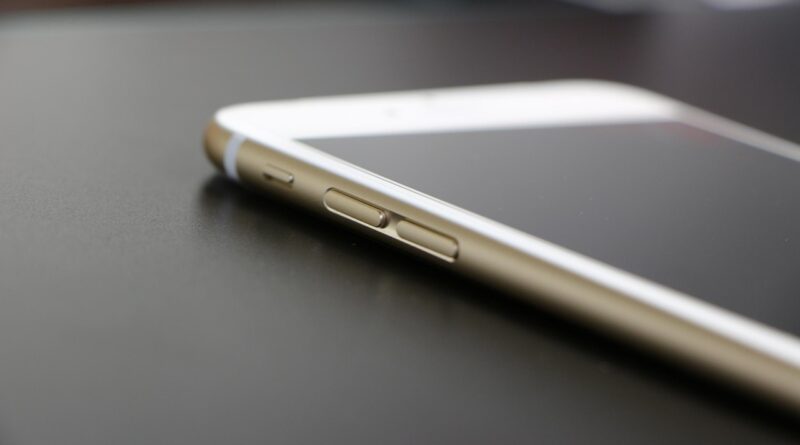
iPhone buying guide 2022 for iPhone 14, iPhone 13, and iPhone SE
Quick answer for 2022 buyers
This 2022 iPhone buying guide is for shoppers comparing Apple’s late-2022 lineup: iPhone 14, iPhone 14 Plus, iPhone 14 Pro, iPhone 14 Pro Max, iPhone 13, iPhone 13 mini, and the third-generation iPhone SE. In practical terms, iPhone 13 was the value pick for many mainstream buyers. iPhone 14 made more sense if safety features or the larger Plus size mattered. iPhone 14 Pro was the stronger choice for camera and display upgrades, while iPhone SE was the lowest-cost route into a new 5G iPhone.
If you were upgrading from an iPhone 11 or older, every 2022 option delivered a meaningful jump in speed and overall experience. If you already had an iPhone 13, the regular iPhone 14 was a modest upgrade unless you specifically wanted Crash Detection, Emergency SOS via satellite, or the camera refinements. You can also explore more in Buying Guides.
For more consumer comparison articles, visit our Buying Guides section.
What changed in Apple’s 2022 iPhone lineup
Apple’s 2022 iPhone releases arrived in two stages. On March 8, 2022, Apple announced the third-generation iPhone SE with the A15 Bionic chip, 5G, a 4.7-inch display, Touch ID, and a U.S. starting price of $429. It kept the older Home button design but brought much newer performance to Apple’s entry-level phone.
On September 7, 2022, Apple introduced the iPhone 14 family. The standard models were iPhone 14 and iPhone 14 Plus, with 6.1-inch and 6.7-inch displays. They used an A15 Bionic chip with a 5-core GPU, added Apple’s Photonic Engine camera processing, and introduced safety features including Crash Detection and Emergency SOS via satellite. iPhone 14 arrived in stores on September 16, 2022, while iPhone 14 Plus followed on October 7, 2022.
The Pro models changed more visibly from the previous generation. iPhone 14 Pro and iPhone 14 Pro Max added the A16 Bionic chip, Dynamic Island, an Always-On display, ProMotion display technology, and the first 48MP Main camera on an iPhone. They also kept the premium stainless steel build and the same 6.1-inch or 6.7-inch size split.
One important U.S. buying detail was eSIM. iPhone 14 models sold in the United States removed the physical SIM tray and used eSIM only. That worked well for many carrier customers, but it mattered for users who regularly moved physical SIM cards between phones or traveled in markets where eSIM support was less consistent.
2022 iPhone comparison at a glance
| Model | Best fit in 2022 | Main strengths | Main limits |
|---|---|---|---|
| iPhone SE 3rd generation | Lowest-cost new iPhone | A15 chip, 5G, Touch ID, compact body | Small 4.7-inch screen, single rear camera, older design |
| iPhone 13 mini | Small-phone fans | OLED screen, Face ID, dual cameras, pocketable size | Shorter battery life than larger models, no telephoto camera |
| iPhone 13 | Value-focused mainstream buyers | A15 chip, 6.1-inch OLED, dual cameras, strong battery life | No Crash Detection, no satellite emergency feature, no 120Hz display |
| iPhone 14 | Buyers wanting newer safety features | Crash Detection, Emergency SOS via satellite, improved cameras, A15 with 5-core GPU | Not a dramatic upgrade over iPhone 13 for many users |
| iPhone 14 Plus | Large-screen buyers avoiding Pro pricing | 6.7-inch display, very strong battery positioning, standard dual-camera setup | No ProMotion, no telephoto lens, no Dynamic Island |
| iPhone 14 Pro | Camera and display enthusiasts | A16 chip, 48MP Main camera, Dynamic Island, Always-On display, ProMotion | Higher price and heavier build than standard models |
| iPhone 14 Pro Max | Maximum screen and Pro battery experience | All Pro features plus 6.7-inch display | Large size, highest starting price in the 2022 lineup |
Which iPhone should you buy in 2022?
If you wanted the strongest value
For many shoppers in late 2022, iPhone 13 was the most sensible recommendation. It had the same broad design language as iPhone 14, a 6.1-inch OLED display, Face ID, 5G, MagSafe support, strong everyday performance from A15 Bionic, and a dual-camera system that remained highly capable for casual photography and video. The main reason to move straight to iPhone 14 was not raw speed. It was the combination of newer safety features, modest camera improvements, and the option to choose the larger Plus model.
That made iPhone 13 especially appealing to users coming from iPhone XR, iPhone XS, iPhone 11, or older models. Those buyers gained OLED display quality, better battery life, 5G, MagSafe, improved cameras, and several years of expected software support without paying Pro-level prices.
If you wanted the lowest new-iPhone price
iPhone SE was the budget option, but it was not simply a cheaper iPhone 13. Its strongest selling points were the A15 chip, 5G support, Touch ID, and compact body. It was also the most familiar choice for users who disliked Face ID or still preferred the Home button.
The trade-offs were clear. The 4.7-inch LCD looked dated beside Apple’s OLED iPhones, battery life was not the main reason to buy it, and the single rear camera lacked the flexibility of an ultra-wide lens or telephoto lens. It was a good fit for buyers who valued price, iOS access, and simple daily use more than screen size, camera range, or a modern full-screen design.
If you wanted a small phone
By 2022, compact phones were becoming harder to find. iPhone 13 mini remained the better small-phone option for users who wanted a modern full-screen iPhone rather than the iPhone SE design. It offered Face ID, an OLED display, dual rear cameras, and MagSafe in a genuinely pocketable size.
Battery life was the main compromise. A smaller body leaves less room for battery capacity, so heavy users were usually better served by iPhone 13, iPhone 14, or iPhone 14 Plus. For buyers who valued one-handed use, though, iPhone 13 mini was one of the most distinctive choices in the 2022 range.
If you cared most about photography and video
For camera-focused buyers, the iPhone 14 Pro models were the clear step up. The first 48MP Main camera on an iPhone was the headline hardware change, and Apple paired it with A16 Bionic and updated computational photography. The Pro models also kept a more flexible camera system than the standard iPhones, including a telephoto camera for portraits, closer framing, and travel shots.
iPhone 14 and iPhone 14 Plus still made sense for family photos, social media, and everyday video. They added improved camera processing and a new front TrueDepth camera compared with the previous standard generation. Buyers who wanted the most flexible 2022 iPhone camera system, however, had a stronger reason to choose Pro.
If you wanted the best screen experience
Display preference separated the lineup clearly. iPhone SE had the smallest and least modern display experience. iPhone 13, iPhone 13 mini, iPhone 14, and iPhone 14 Plus used OLED screens but did not include Apple’s 120Hz ProMotion technology. iPhone 14 Pro and iPhone 14 Pro Max added ProMotion, Always-On display, and Dynamic Island, making them feel more advanced in daily use. See also: baby&kids.
The decision was not only about screen quality. Size mattered too. iPhone 14 Plus gave buyers a 6.7-inch iPhone without paying for a Pro Max, which made it attractive for streaming, reading, maps, and larger on-screen keyboards. iPhone 14 Pro Max offered both the large size and Pro features, but at a higher price and with a heavier body.
Upgrade advice by older iPhone model
If you had an iPhone 8, iPhone X, or iPhone XR in 2022, nearly any current model was a major upgrade. The biggest gains were 5G on newer models, better low-light photography, a longer software runway, stronger battery performance, and more modern displays. iPhone SE made sense if price and Touch ID mattered; iPhone 13 or iPhone 14 was the more balanced upgrade for most people.
If you had an iPhone 11, the decision depended on budget and camera expectations. iPhone 13 delivered a clearer display upgrade because of OLED, plus better battery life and 5G. iPhone 14 added safety features and incremental camera improvements. iPhone 14 Pro was the upgrade that felt most premium because of the 48MP camera, Dynamic Island, ProMotion, and A16.
If you already had an iPhone 12, iPhone 13 was not always necessary unless battery health had declined or you wanted better cameras. iPhone 14 was a more noticeable upgrade because of safety features, but still not essential for every user. The Pro models were the meaningful jump for buyers who wanted a visibly different experience.
If you had an iPhone 13, the standard iPhone 14 was a cautious upgrade rather than an automatic one. Many users were better off waiting unless they needed Emergency SOS via satellite, Crash Detection, the Plus size, or a specific carrier promotion. Moving from iPhone 13 to iPhone 14 Pro was easier to justify because the display, camera, chip, and interface features changed more substantially.
Buying checklist before choosing a 2022 iPhone
- Storage: Choose at least 128GB if you take many photos, record video, use offline music, or keep apps for work and travel. The 64GB iPhone SE could feel tight sooner.
- Battery health: For used or refurbished phones, battery health was as important as the model name. A newer phone with a worn battery could feel worse than an older model with a healthy replacement.
- Carrier support: U.S. iPhone 14 models used eSIM only, so buyers needed to confirm carrier and travel compatibility before purchase.
- Camera needs: Standard models were enough for everyday photos, but the Pro line was the better choice for telephoto framing, higher-end video work, and the 48MP Main camera.
- Size and weight: iPhone 13 mini and iPhone SE favored pocketability. iPhone 14 Plus and Pro Max favored screen space and battery comfort, but they were less convenient for one-handed use.
- Deal quality: Carrier discounts, trade-in credits, and refurbished pricing could change the value ranking. A discounted iPhone 14 could beat a full-price iPhone 13, while a clean used iPhone 13 could beat a new SE for many buyers.
Frequently asked questions
Was iPhone 14 worth buying over iPhone 13 in 2022?
It depended on price and priorities. iPhone 14 added Crash Detection, Emergency SOS via satellite, camera refinements, and the A15 version with a 5-core GPU. For many everyday users, though, iPhone 13 delivered similar core performance and a similar design for less money.
Was iPhone SE 2022 a good buy?
Yes, for the right buyer. It was a strong low-cost iPhone because it had A15 Bionic, 5G, Touch ID, and a familiar compact design. It was less compelling for users who wanted a larger display, a modern full-screen design, multiple rear cameras, or longer battery comfort.
Which 2022 iPhone had the biggest upgrade?
The iPhone 14 Pro models had the most noticeable upgrade package. Dynamic Island, Always-On display, ProMotion, A16 Bionic, and the 48MP Main camera created a clearer gap from the previous generation than the standard iPhone 14 did from iPhone 13.
Should buyers choose iPhone 14 Plus or iPhone 14 Pro?
Choose iPhone 14 Plus if you wanted a large 6.7-inch screen and strong battery positioning without paying for Pro features. Choose iPhone 14 Pro if you cared more about the camera system, ProMotion, Always-On display, Dynamic Island, and the newer A16 chip.
What is the safest recommendation from the 2022 lineup?
For most mainstream buyers, iPhone 13 was the safe value choice in late 2022. For buyers who wanted the most advanced features, iPhone 14 Pro was the stronger long-term pick. For buyers with a strict budget, iPhone SE offered the lowest new-iPhone entry point.
Bottom line
The 2022 iPhone lineup was less about one obvious winner and more about matching the phone to the buyer. iPhone 13 offered the best balance for many shoppers. iPhone 14 added useful safety features and a larger Plus option. iPhone 14 Pro delivered the real enthusiast upgrade, and iPhone SE kept the entry price lower while preserving Touch ID. The smartest purchase in 2022 was not always the newest model; it was the model whose size, camera, battery, storage, and carrier support matched how the phone would actually be used.
Source note: model dates, feature highlights, and launch details in this guide are based on Apple’s 2022 newsroom announcements and Apple technical specification materials. Price references are U.S. starting prices or official 2022 launch-era positioning where applicable; carrier offers, trade-in credits, and refurbished prices varied by retailer and date.