
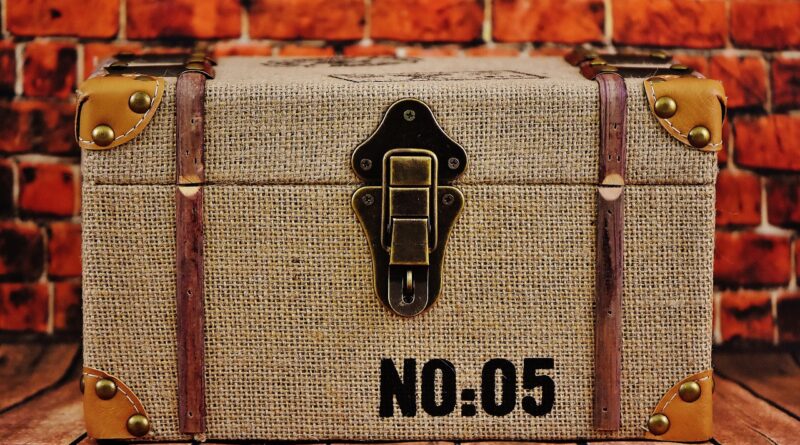
How to choose a household essentials storage box that fits your home
Why the right storage box matters
A household essentials storage box should make everyday items easier to find, safer to store and simpler to maintain. The best choice depends less on style alone and more on what you plan to store, where the box will sit and how often it will be opened. A clear bin may suit pantry backstock, while a lidded fabric cube may work better for soft goods in a bedroom. Heavy tools, cleaning supplies, toys and seasonal products all need different levels of strength, ventilation, visibility and child safety.
The practical goal is to buy fewer containers, but choose ones that fit real household routines.
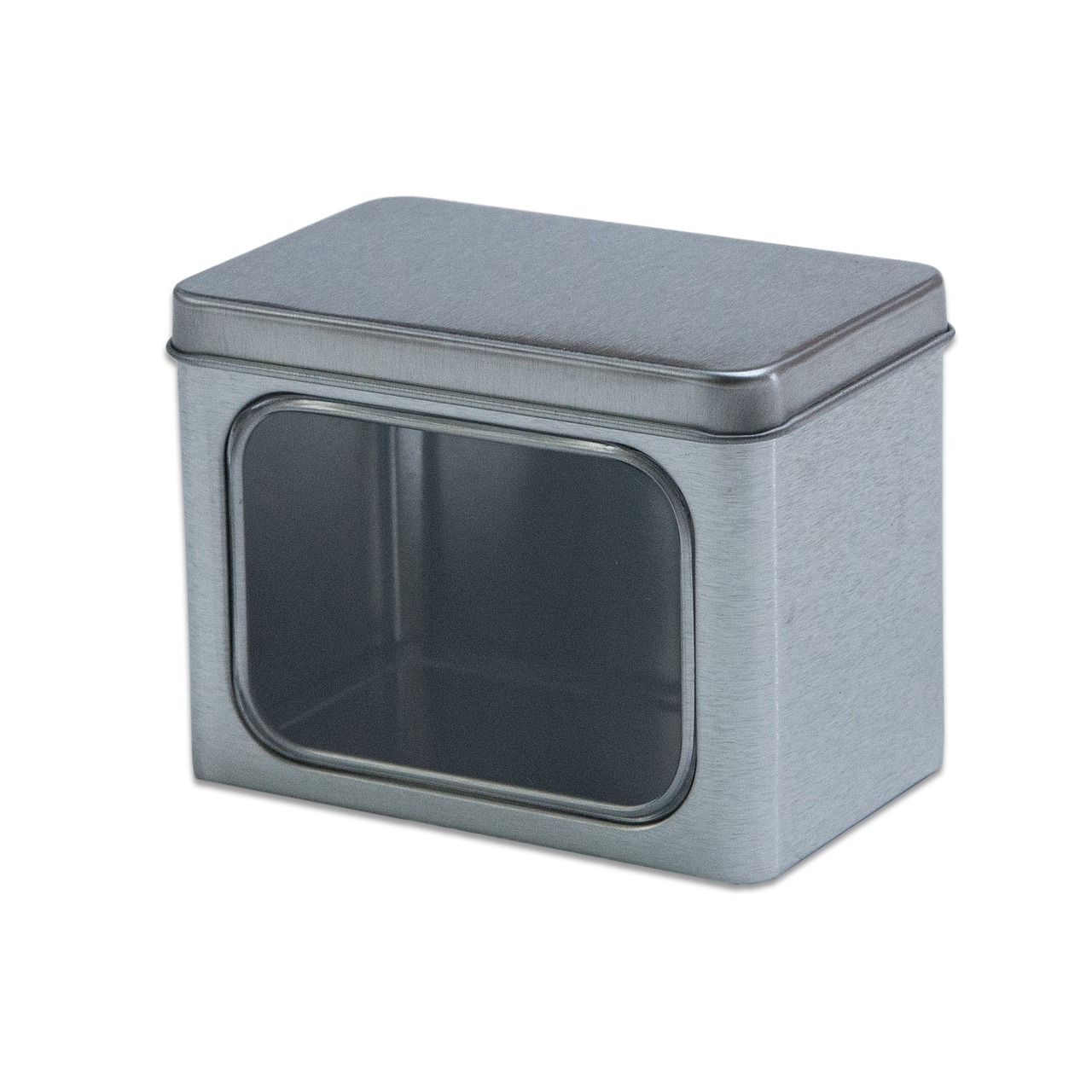
For more home organization ideas, browse the Household Essentials section.
Start with the job the box needs to do
Before comparing materials or colors, define the storage job. A box used every morning for toiletries has different requirements from one that holds winter decorations in a garage. Frequency of use is one of the most useful filters because it affects lid style, weight, labeling and placement.
For high-use items, open-front bins, transparent boxes or easy-lift lids usually work better than tightly clipped lids. For long-term storage, a secure lid and stackable shape may matter more than fast access. For mixed household essentials, choose a system that groups items by task instead of filling whatever space happens to be empty.
- Daily use: toiletries, snacks, pet supplies, chargers and cleaning cloths need quick access.
- Weekly use: laundry products, refill packs, paper goods and hobby supplies benefit from labeled containers.
- Seasonal use: decorations, spare bedding and off-season clothing need protection from dust and crushing.
- Restricted use: medicines, chemicals, sharp tools and batteries need controlled placement, not just a neat box.
This first step prevents a common organizing mistake: buying attractive boxes before the storage problem is clear. A box that looks tidy on a shelf can still fail if it hides daily-use items, traps moisture or becomes too heavy to lift.
Compare common storage box materials
Most household storage boxes are made from plastic, fabric, cardboard, wood, bamboo, metal or hybrid materials. No single material is best for every room. The right choice depends on durability, cleanability, weight, moisture exposure and appearance.
| Material | Useful for | Limitations to check |
|---|---|---|
| Clear plastic | Pantry backstock, toys, craft supplies, seasonal items | Can crack under heavy loads; check lid fit and plastic thickness |
| Opaque plastic | Garage, utility room, laundry area, bulk household supplies | Needs labels because contents are not visible |
| Fabric or canvas | Closets, bedroom shelves, nursery items, soft accessories | Less suitable for liquids, garages or damp spaces |
| Cardboard | Temporary sorting, moving, low-cost dry storage | Weak around moisture and repeated handling |
| Wood or bamboo | Visible living spaces, entryways, decorative storage | Heavier and often less moisture tolerant than plastic |
| Metal | Tools, utility products, durable workroom storage | Can dent, rust or damage shelves if not protected |
Plastic remains common because it is lightweight, easy to wipe and available in many sizes. Recycling claims, however, should be read carefully. The U.S. Environmental Protection Agency notes that reusing or repurposing containers can help reduce plastic waste, and ASTM’s resin identification system identifies the type of plastic resin rather than guaranteeing that a container is accepted by every local recycling program. (epa.gov)
For visible rooms, fabric, bamboo or wood boxes can make open shelving look calmer. For utility areas, durable plastic or metal is usually easier to clean. If the storage box will hold anything that might leak, avoid absorbent materials unless there is a removable liner.
Size, shape and stackability affect daily use
Storage boxes often fail because they are the wrong size, not because they are poorly made. A box that is too large becomes heavy and disorganized. A box that is too small adds more containers without solving the clutter. Measure the shelf, cabinet or floor area before buying, and leave enough clearance for a hand to pull the box out.
For shelves, check three measurements: external width, depth and height. Internal capacity can be smaller than expected because lids, tapered sides, handles and rounded corners reduce usable space. If the box will sit under a bed or inside a cabinet, measure the opening as well as the final storage area.
- Use shallow boxes for items that need to be seen at a glance, such as pantry packets, first-aid refills or small tools.
- Use medium boxes for household backstock, cleaning cloths, toys and folded accessories.
- Use large boxes only for lightweight bulky items, such as pillows, bedding or holiday décor.
- Avoid deep mixed boxes for small products because items sink to the bottom and duplicates become easy to buy by mistake.
Stackability matters, but it should not override safety. Choose boxes with flat lids and stable bases if they will be stacked. Put heavier boxes lower and lighter boxes higher. Do not create tall stacks in children’s rooms, narrow hallways or places where a box might be pulled down from above.
Match the box to each room
Kitchen and pantry
Kitchen storage boxes should prioritize visibility, wipe-clean surfaces and easy access. Clear bins work well for packets, backup condiments, lunch supplies and snacks. For food-contact use, choose containers intended for food storage and follow the manufacturer’s cleaning and microwave instructions. A general household utility box should not automatically be treated as a food container.
In pantries, open bins can reduce duplicate buying because remaining stock is easier to see. Labels such as “breakfast,” “baking,” “tea,” “snacks” or “refills” are usually more useful than highly detailed labels that are hard to maintain.
Bathroom and laundry area
Bathrooms and laundry areas need moisture-aware storage. Plastic bins, handled caddies and ventilated baskets are often practical because they can be wiped down. Avoid untreated cardboard in damp rooms. For cleaning supplies, do not decant products into unmarked containers, and keep chemicals away from children and pets. A neat storage box does not replace safe product placement.
Bedroom and closet
Closets benefit from soft-sided cubes, under-bed boxes and lidded containers for off-season clothing. Breathable fabric boxes may suit scarves, belts and accessories, while sealed boxes can help protect items from dust. For clothes, do not overpack; compression may save space, but it can wrinkle garments and make the box harder to use regularly. See also: baby&kids.
Living room and entryway
In visible areas, storage boxes often serve two roles: organization and décor. Entryway bins can hold hats, gloves, pet leads, umbrellas or reusable shopping bags. Living room boxes can group remote controls, small toys, magazines or charging cables. In these spaces, consistent sizing and color can matter more than maximum capacity because the box becomes part of the room’s visual order.
Garage and utility storage
Garages and utility rooms require sturdier containers. Temperature swings, dust and heavier contents make thin decorative bins less suitable. Use rugged lidded boxes for tools, car accessories, seasonal products and bulk household goods. If a box will sit on concrete, check whether the base can resist abrasion and moisture.
Safety and maintenance should guide the final choice
Storage is not only about tidiness. Box placement, weight and access can affect household safety. The U.S. Consumer Product Safety Commission advises consumers to secure furniture such as dressers and other storage units to the wall, and its childproofing guidance warns that children can be injured when they climb or pull on furniture, shelves and similar items. (cpsc.gov)
For storage boxes, the practical lesson is straightforward: do not rely on a box or shelf arrangement that invites climbing, tipping or pulling. Keep heavy boxes low. Avoid placing attractive toy boxes high on open shelves. Make sure freestanding shelving is stable and appropriate for the load. If storage boxes are used in a child’s room, choose lightweight bins for accessible areas and keep hazardous items elsewhere.
Maintenance also matters. A box used for household essentials should be easy to empty, clean and relabel. If the container is difficult to wash or the lid is awkward, it may be ignored over time. For families or shared homes, simple labels reduce friction because everyone can return items to the same place.
- Use waterproof labels in bathrooms, kitchens and laundry areas.
- Use large readable labels for opaque boxes in closets and garages.
- Review seasonal boxes once or twice a year before buying duplicates.
- Replace cracked boxes, broken handles or warped lids that no longer stack safely.
- Keep boxes holding cleaners, medicines or sharp items out of easy reach.
A practical buying checklist
The best household essentials storage box is the one that fits a defined purpose, not the one with the longest feature list. Before buying, use a short checklist to compare options in a consistent way.
- Define the category: Decide exactly what the box will hold.
- Measure the space: Check shelf width, depth, height and clearance.
- Choose the access style: Open bin, hinged lid, clip lid, drawer box or handled caddy.
- Check the load: Match the box strength to the expected weight.
- Consider visibility: Use clear boxes when seeing contents matters; use labels when it does not.
- Plan the placement: Store heavy or risky items low and stable.
- Review cleanability: Match the material to dust, moisture, spills and room conditions.
- Avoid overbuying: Start with the most cluttered category, then expand only if the system works.
For retailers and household goods buyers, the same checklist helps explain why storage boxes are often sold in families rather than single shapes. Consumers usually need a mix of sizes that look consistent across rooms. A good range should include small sorting bins, medium shelf boxes and larger lidded containers, with clear information about dimensions and intended use.
Frequently asked questions
What is the most useful size for a household essentials storage box?
Medium boxes are often the most flexible for household essentials because they can hold cleaning cloths, pantry refills, toiletries, cables, toys or accessories without becoming too heavy. However, the best size depends on the shelf or cabinet where the box will live. Measure first, then choose.
Are clear storage boxes better than opaque boxes?
Clear boxes are better when you need to identify contents quickly, such as in a pantry, craft area or utility cabinet. Opaque boxes can look cleaner in visible rooms, but they need reliable labels. The right choice depends on whether visibility or visual calm is more important.
Can one type of storage box work in every room?
Usually not. Kitchens, bathrooms, closets and garages have different moisture, weight and access requirements. A consistent style can help the home look organized, but the material and lid design should still match each room’s conditions.
How many storage boxes should I buy at once?
Start with one category or one room rather than buying a large set immediately. Test whether the size, lid and placement are easy to use for a week or two. If the system works, then add matching boxes for related categories.
What should not be stored in a general household storage box?
Avoid using ordinary storage boxes for loose chemicals, unmarked decanted products, hot items, sharp tools without protection, leaking containers or food unless the box is intended for food storage. Safety and product instructions should come before appearance.