

How to choose gender neutral baby clothes for a practical baby wardrobe
What gender neutral baby clothes mean today
Gender neutral baby clothes are no longer limited to white onesies, gray sleepers or beige sets. For many families, the need is practical: clothing that can be bought before a baby’s sex is known, shared between siblings, given as a safer gift, photographed without heavy stereotypes and kept in use for longer. The best choices combine flexible color, simple prints, reliable fasteners, skin-friendly fabrics and age-appropriate safety.
A useful gender neutral wardrobe should make daily care easier, not create another narrow aesthetic rulebook. Olive, cream, rust, navy, yellow, lavender, stripes, animals, fruit prints and bright primary colors can all work if the garment suits the baby’s size, season and routine.
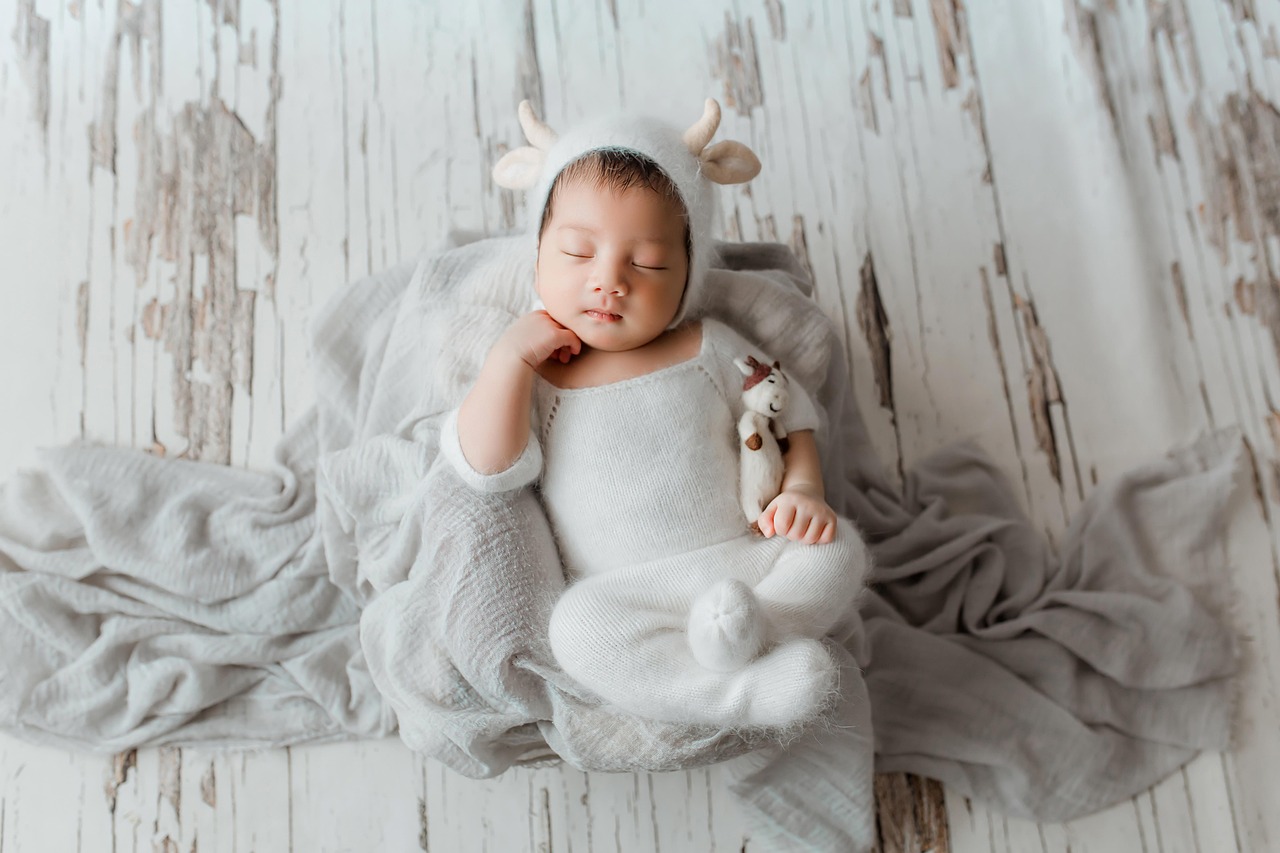
The key distinction is simple: gender neutral is a buying strategy, not a single look. It helps families buy fewer pieces that are used more often, instead of building separate wardrobes around pink-or-blue assumptions. For more baby and children’s category coverage, visit the baby and kids section.
Why the category is growing beyond white and beige
Interest in gender neutral baby clothing sits at the intersection of three everyday needs. First, many parents delay learning or sharing a baby’s sex, so early clothing has to work before birth announcements. Second, shoppers are more aware of waste and cost, especially because babies can outgrow newborn and 0–3 month garments quickly. Third, gift buyers often want something useful without having to guess a family’s style or values.
Retailers have responded with more unisex search filters, capsule packs and color stories that sit between traditional boys’ and girls’ racks. The more meaningful shift, however, is not the label itself. It is the move toward modular baby basics: bodysuits that match several bottoms, sleepers that work for naps and photos, and outer layers that can be passed on without feeling dated.
There is also a style correction underway. Early gender neutral ranges often leaned heavily on gray, oatmeal and muted earth tones. Those colors still sell because they are easy to coordinate, but a practical wardrobe benefits from contrast and variety. Bright socks are easier to find in a drawer. Patterned burp cloths hide stains. A sunflower, whale, cloud or check print can feel playful without assigning a personality to the baby.
Start with function before color
The best gender neutral baby clothes begin with fit and use case. Newborn clothing has to handle feeding, diaper changes, spit-up, naps, car seats and frequent washing. A print may be neutral, but if the neckline is tight, the fabric pills quickly or the snaps are difficult at 3 a.m., the garment will not stay in rotation.
For a first wardrobe, think in small groups rather than complete outfits. A practical starter set can include short-sleeve bodysuits, long-sleeve bodysuits, zip sleepers, soft pants, socks, a cold-weather hat, bibs and one or two outer layers. The right number depends on laundry frequency, climate and whether the baby is prone to reflux or diaper leaks. Families doing laundry every other day can usually buy fewer pieces than families washing once a week.
| Wardrobe piece | Why it works for a gender neutral wardrobe | What to check |
|---|---|---|
| Side-snap or kimono bodysuits | Easy for early changes and avoids pulling fabric over the head | Flat seams, soft closures and enough room for diapers |
| Zip sleepers | Works for day, night and travel with minimal styling decisions | Two-way zippers, zipper guards and snug sleepwear labeling where relevant |
| Soft pull-on pants | Pairs with almost any print or color top | Gentle waistband and stretch at the knees |
| Cardigan or sweatshirt layer | Extends wear across seasons and can be passed down easily | No unsafe drawstrings, bulky toggles or loose decorations |
| Simple bibs and burp cloths | High-use items where neutral prints are especially practical | Secure snaps and absorbent, washable fabric |
Safety and fit should lead the purchase decision
Safety does not become less important because a garment is described as neutral, organic or minimalist. In the United States, the Consumer Product Safety Commission says children’s sleepwear sold in sizes larger than nine months must be flame resistant or tight-fitting, and tight-fitting sleepwear in those sizes requires specific hangtags and permanent labels. CPSC also notes that sleepwear sized nine months and under is not subject to the same flammability or tight-fitting measurement requirements because infants in those sizes are considered insufficiently mobile to expose themselves to an open flame. (cpsc.gov)
For sleep, the American Academy of Pediatrics recommends keeping loose bedding and soft objects out of the infant sleep area, using clothing layers or wearable blankets instead of loose blankets, and avoiding overheating. Its 2022 safe sleep guidance says babies should generally be dressed for the environment with no more than one extra layer compared with what an adult would wear comfortably. (publications.aap.org)
These recommendations matter when shopping for gender neutral sleepers, gowns, swaddles and wearable blankets. A beautiful oversized cotton lounge set may be comfortable for supervised daytime wear, but it should not be treated as safe sleepwear unless the label and fit support that use. Likewise, a wearable blanket should be the right size so it cannot cover the baby’s head.
For older babies and toddlers, outerwear details also matter. CPSC guidance identifies hood and neck drawstrings on children’s upper outerwear as a strangulation hazard, with staff aware of 26 deaths and 73 nonfatal incidents from January 1985 through June 2019 involving neck or hood drawstrings on children’s outerwear. The same guidance says hood and neck drawstrings should be removed from upper outerwear in sizes 2T to 12, while waist and bottom drawstrings in sizes 2T to 16 should be limited and free of toggles or knots. (cpsc.gov)
Read fabric and certification claims carefully
Fabric choice is one of the main reasons shoppers search for gender neutral baby clothes. Cotton jersey, cotton rib, interlock knit and soft fleece are common because they are washable and familiar. Merino wool can help with temperature regulation in cooler climates, although it usually needs more careful laundering. Viscose or rayon made from bamboo can feel soft and stretchy, but shoppers should check the actual fiber label rather than rely only on front-of-pack marketing.
In the U.S., Federal Trade Commission guidance says textile labels must identify fiber content, country of origin and either the company name or the Registered Identification Number of the manufacturer, importer or another business responsible for the product. That makes the sewn-in label more useful than a decorative hangtag when comparing baby basics. (ftc.gov)
Certifications can help, but they answer different questions. GOTS, the Global Organic Textile Standard, is a certification for textiles made with organic fibers and covers the processing supply chain from fiber processing through finished product; its official guidance says all companies involved must be certified by approved independent certification bodies for a product to be labeled GOTS-certified. (global-standards.org) OEKO-TEX Organic Cotton verifies organic cotton from farm to product and tests for GMO cotton, pesticides and other harmful substances; OEKO-TEX also states that its Product Class 1 covers products for babies and children up to three years and has the strictest requirements and limit values. (oeko-tex.com) See also: Buying Guides.
The practical point for buyers is simple: do not treat words such as natural, eco, pure or sustainable as proof on their own. Look for fiber content, care instructions, certification scope and whether the certification applies to the finished garment rather than only to a fabric supplier.
Build a palette that survives real life
A gender neutral palette should be easy to mix, photograph, wash and hand down. Neutrals are useful, but they do not have to dominate. A balanced approach is to choose two or three base colors and add two or three accent colors. For example, cream, oatmeal and navy can pair with rust and sage. White, gray and denim can pair with yellow and red. Brown, olive and black can pair with stripes, moons, pears or woodland prints.
Prints often carry less gender coding than garment cuts. Animals, celestial motifs, fruit, vehicles, florals, checks, dots, rainbows and abstract shapes can all work if the color balance feels flexible. Florals do not have to be treated as only feminine, and trucks do not have to be treated as only masculine. The more important question is whether the design can pair with the basics already in the drawer.
For gifts, avoid highly specific phrases that assign a role, attitude or family joke unless you know the parents want that message. A soft sleeper with a moon print will usually be easier to use than a slogan bodysuit that only fits one announcement photo. If buying for a baby shower, include a gift receipt and consider sizing up to 3–6 months or 6–9 months so the family is not overloaded with newborn items.
Common mistakes to avoid
- Buying only pale colors. Pale cream and white look clean online but can show stains quickly. Add mid-tone pieces that hide normal baby mess.
- Confusing neutral with oversized. A relaxed look may be fashionable, but baby clothing still needs a safe fit, especially for sleep.
- Ignoring closures. Snaps, zippers and envelope necklines often decide how often a piece is actually used.
- Assuming every certification means the same thing. Organic fiber, chemical testing, factory standards and finished-product certification are separate claims.
- Buying too many seasonal pieces too early. Babies grow unpredictably, and a winter-size estimate can be wrong by the time cold weather arrives.
- Forgetting care instructions. Hand-wash-only baby clothes may be beautiful, but they are rarely practical for everyday use.
What this means for brands and retailers
For baby apparel brands, gender neutral should not be treated as a small beige capsule hidden between boys’ and girls’ ranges. The stronger commercial opportunity is assortment design: clearer size guidance, better filters, flexible color families, transparent fabric labels and product photography that shows pieces mixed across categories.
Retailers can also build trust by separating safety-critical details from style copy. Sleepwear pages should make fit, labeling and intended use easy to understand. Product descriptions should specify fiber percentages, closure type, care instructions and whether a certification applies to the finished garment. For fast-moving consumer goods sites and category editors, the content opportunity is to explain why parents choose these products, not just list neutral colors.
Frequently asked questions
Are gender neutral baby clothes only beige, white and gray?
No. Beige and gray are common because they are easy to coordinate, but gender neutral clothing can include green, yellow, navy, red, lavender, orange, brown, black and bright primary colors. Prints such as animals, fruit, stars, stripes and florals can also work when they are styled flexibly.
How many gender neutral newborn clothes should parents buy?
There is no universal number. A small rotation of bodysuits, sleepers, soft pants and bibs is usually more practical than a large set of complete outfits. Laundry frequency, climate, birth weight and gifting all affect the final amount.
Are organic cotton baby clothes always better?
Organic cotton can be a good choice, especially when the claim is backed by a credible certification. However, durability, fit, dye safety, washing performance and finished-product certification also matter. A vague organic claim without label details is less useful than a clear fiber and certification label.
Can gender neutral clothes be reused for future siblings?
Yes. Reuse is one of the main advantages. Choose durable fabrics, flexible colors, simple prints and seasonless basics. Avoid date-specific slogans or highly delicate trims if the goal is hand-me-down value.
What is the safest gender neutral sleepwear choice?
Choose sleepwear that matches the baby’s age, size and label instructions. For infants, avoid loose bedding and use appropriate clothing layers or a correctly sized wearable blanket. For garments larger than nine months, pay attention to whether the sleepwear is flame resistant or tight-fitting as described on the label.