
What a homecare provider does and why at-home personal care is growing
What a homecare provider actually does
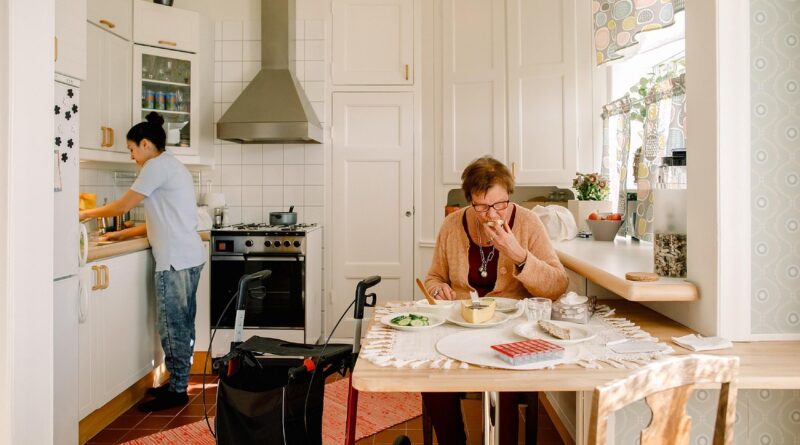
A homecare provider helps people receive support where they live. The need may come from aging, disability, chronic illness, recovery after surgery or limits on what family caregivers can manage day to day. Depending on the service type, support can include nonmedical personal care such as bathing, dressing, grooming, meal support, light housekeeping and companionship. In a Medicare-certified home health setting, it may also be connected to skilled nursing, therapy or medically directed aide services.
The key point is that “homecare provider” is not one fixed job title. Families may use the term for an individual caregiver, a personal care aide, a home health aide, a private-duty agency or a Medicare-certified home health agency. For the personal care industry, the shift toward home-based care changes where daily hygiene, skin care, oral care, continence care and household hygiene routines take place: not only in facilities, but increasingly in ordinary homes.
For more related category coverage, visit the Personal Care section.
Why demand for home-based support is rising
Demand for home care is being shaped by demographics, consumer preference and policy direction, rather than by one short-term trend. The U.S. Administration for Community Living’s 2023 Profile of Older Americans, published in May 2024, reported that Americans age 65 and older numbered 57.8 million in 2022 and represented 17.3% of the U.S. population. The same profile projected that people 65 and older would account for 22% of the population by 2040.
Living arrangements add another layer. The ACL profile reported that about 28% of older adults living in the community lived alone in 2023. For many households, that creates a practical need for reliable help with bathing, dressing, meals, errands and monitoring changes in condition. It also raises the value of products and routines that are easy to use, clearly labeled and suitable for people with limited mobility, grip strength or vision.
Preference data point in the same direction. AARP’s 2024 Home and Community Preferences Survey reported that 75% of adults age 50 and older wanted to remain in their current homes as they age, and 73% wanted to remain in their communities. Those preferences do not make home care simple or affordable by themselves, but they help explain why families, providers and product manufacturers are paying closer attention to aging-in-place support.
Labor market data provides a further signal. The U.S. Bureau of Labor Statistics Occupational Outlook Handbook, last modified on August 27, 2026, listed 4.7 million home health and personal care aide jobs in 2025 and projected 18% employment growth from 2025 to 2035. BLS also projected about 760,500 openings each year on average over that decade, largely due to new demand and worker replacement needs.
Homecare provider roles are not all the same
Families and industry readers should distinguish between three related but different categories. The first is personal care, which focuses on activities of daily living such as bathing, dressing, toileting, grooming, transferring, eating and mobility support. This is where everyday personal care products are most visible.
The second is homemaker and companionship support. This may include laundry, meal preparation, light cleaning, shopping, transportation reminders and social engagement. These services can reduce strain on family caregivers, but they are not the same as clinical care.
The third is home health care. This usually refers to medically ordered or clinically supervised care such as skilled nursing, physical therapy, occupational therapy, speech-language pathology, medical social services or part-time home health aide support connected to a covered plan of care. Medicare.gov describes covered home health services as services that may help a person recover from illness or injury, maintain function or slow decline when eligibility conditions are met.
| Support area | Typical need | Personal care relevance |
|---|---|---|
| Bathing and grooming | Help with washing, hair care, shaving or dressing | Gentle cleansers, no-rinse formats, easy-dispense packaging and non-slip storage can matter |
| Toileting and continence | Assistance with bathroom routines or absorbent products | Skin cleansing, odor control, barrier creams and discreet disposal are key considerations |
| Mobility and transfers | Help moving between bed, chair, bathroom or shower | Products should be reachable, stable and simple to use during assisted routines |
| Household hygiene | Laundry, surfaces, dishes and bedding connected to care routines | Low-irritation cleaning and clear usage instructions support safer daily routines |
| Observation and reporting | Noticing changes in skin, appetite, mood or function | Consistent routines make changes easier for caregivers to notice and report |
Coverage and payment can shape what care is available
A common misunderstanding is that all in-home help is paid for in the same way. Medicare coverage guidance distinguishes covered home health services from long-term custodial support. Medicare may cover medically necessary part-time or intermittent skilled nursing care, therapy services, medical social services and part-time home health aide care when the aide care is connected to skilled services and eligibility rules are met.
Medicare.gov also states that Medicare does not pay for 24-hour-a-day care at home, home meal delivery, homemaker services unrelated to a care plan, or custodial or personal care when help with daily living activities is the only care needed. That distinction is important for families because many people who need help with bathing, dressing or toileting may not qualify for broad ongoing coverage under Medicare alone.
For personal care companies, this payment structure matters. Much at-home support is privately paid, supported through Medicaid programs in some circumstances, covered through long-term care insurance, or delivered by unpaid family caregivers. Product design, pack size and instructions should reflect the reality that many users are managing care with limited time, limited budgets and varying levels of training.
How families can evaluate a homecare provider
Choosing a provider is both a care decision and a risk-management decision. A family should start with the person’s actual needs: bathing only, several hours of companionship, medication reminders, transfer help, dementia supervision, post-surgical therapy or skilled nursing. A provider suited to light homemaker support may not be appropriate for medically complex care.
Licensing and certification requirements vary by state and by service type. BLS notes that home health and personal care aides may need to meet state-specific requirements, and aides working in certified home health or hospice agencies must meet formal training and competency requirements. Families should ask whether the provider performs background checks, verifies training, supervises staff, maintains care notes and has a clear escalation process for changes in condition.
For Medicare-certified home health agencies, CMS Care Compare can provide quality and patient-experience information. CMS cautions that star ratings should be used alongside other quality information, not as the only deciding factor. A practical evaluation should also consider response time, staffing consistency, communication style, service boundaries, cost transparency and how the agency handles missed visits. See also: baby&kids.
- Ask for a written care plan that separates personal care, homemaker tasks and clinical services.
- Confirm who supervises the aide and how often the plan is reviewed.
- Ask what tasks the caregiver is not allowed to perform.
- Check whether the provider can support language, cultural or privacy preferences.
- Review cancellation rules, weekend coverage and emergency contact procedures.
What growth in home care means for personal care brands
At-home personal care is different from care delivered in a facility. The bathroom may be small, storage may be limited, lighting may be poor and products may be used by both the care recipient and the caregiver. In that setting, practical design often matters more than cosmetic complexity.
For everyday hygiene products, legible labeling, pump packs, one-handed dispensing, fragrance sensitivity, skin compatibility and easy cleanup can be more important than premium positioning. In continence care, skin comfort, leakage management, discretion and disposal are central. In oral care, grip-friendly handles and simplified routines may support consistency. In hair and body cleansing, no-rinse or low-water formats may be useful when showering is tiring or unsafe, although such products should not be presented as substitutes for medical care.
Communication is also part of the product experience. A homecare provider may be the person who notices skin irritation, product overuse, difficulty opening a bottle or confusion about instructions. Brands that serve older adults and caregivers should avoid vague claims and provide clear usage directions, warnings and compatibility notes. This is especially important when several people are involved: the care recipient, family caregiver, paid aide, nurse and sometimes a pharmacist or physician.
Retail and distribution strategies may also shift. Products used in home care are often purchased by adult children, spouses, caregivers or the care recipient rather than by an institutional procurement team. Discoverability, subscription availability, pack affordability and plain-language education can therefore influence adoption.
Risks and limits to keep in view
Growth in home care does not remove the challenges. Workforce supply is a major constraint. BLS projections show strong job growth, but the same data also point to a large replacement need. High turnover, variable training and physically demanding work can affect continuity of care.
Safety is another limit. Some homes are not designed for mobility impairment, dementia-related wandering, wheelchair access or safe bathing. AARP’s 2024 survey materials noted that many older adults expect to need home modifications, reinforcing that home care is not only about staffing. It also depends on housing design, transportation, family support and suitable products.
Finally, the term “homecare provider” should not be treated as a guarantee of medical oversight. Some providers deliver nonmedical support only. Others are part of a clinical home health plan. The difference affects coverage, training, permitted tasks and accountability.
Frequently asked questions
Is a homecare provider the same as a home health agency?
Not always. A homecare provider may offer nonmedical personal care or companionship, while a home health agency usually refers to medically ordered or clinically supervised services. Some organizations offer both, but families should confirm the exact service type.
Does Medicare pay for a homecare provider?
Medicare may cover certain home health services when eligibility rules are met, including part-time or intermittent skilled care and some aide care connected to skilled services. It generally does not cover custodial personal care when that is the only help needed.
Which personal care products are most relevant in home care?
Commonly relevant categories include cleansing, bathing, oral care, hair care, continence care, skin protection, hand hygiene, laundry and household hygiene. The most useful products are often easy to open, easy to understand and suited to sensitive or aging skin.
What should a family ask before hiring a provider?
Ask about licensing, background checks, training, supervision, service limits, scheduling, emergency procedures, documentation and cost. For clinical home health care, ask how the agency coordinates with the doctor or other health professional.
Why does this topic matter to the personal care industry?
More daily care is happening at home, where routines are handled by families, paid aides and care recipients themselves. That creates demand for products that are practical, gentle, clearly labeled and compatible with assisted-care routines.