

Corn on the cob guide for retail, foodservice and home kitchens
Why corn on the cob still matters in food and beverages
Corn on the cob is a simple product, but it plays several commercial roles. For food retailers, foodservice operators and packaged food teams, it brings together a strong freshness cue, familiar sweet corn flavor and easy meal association. Shoppers may arrive with basic questions about cooking, freezing or nutrition. The trade question is more specific: which format protects eating quality, reduces preparation work and supports a clear merchandising story?
The opportunity is not to treat corn on the cob as a novelty. It is to match the format to the occasion, from loose fresh ears and tray-packed chilled products to frozen mini cobs, meal kits and ready-to-heat sides.
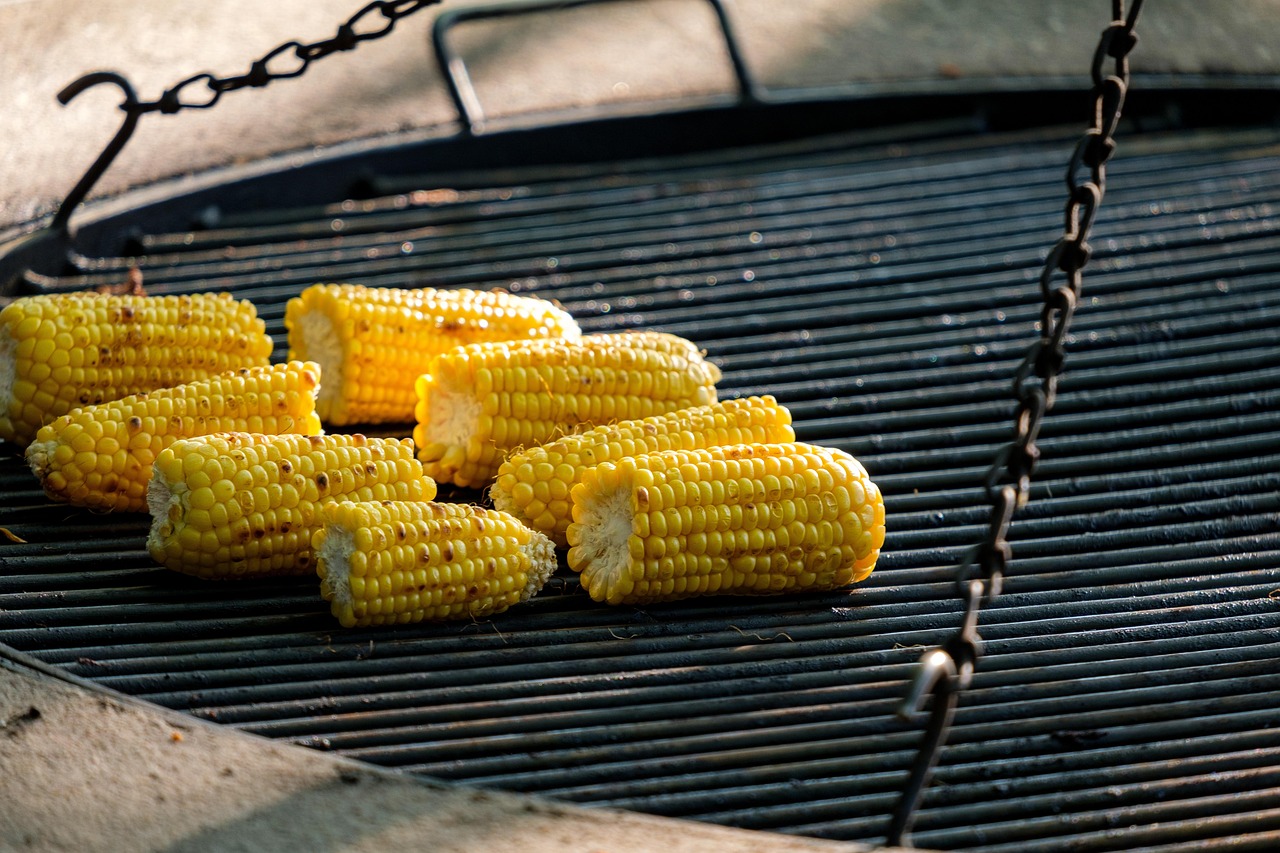
For more food category coverage, see the Food & Beverages section.
What shoppers expect from corn on the cob
The search intent behind “corn on the cob” is usually practical. Consumers want to know how to cook it, how long it keeps, whether it can be frozen and whether it fits into a balanced meal. In retail terms, those questions translate into three expectations: sweetness, ease and confidence.
Sweetness comes first because corn on the cob is normally associated with sweet corn rather than field corn. The eating experience depends on tender kernels, retained moisture and a clean, fresh aroma. Ears that look dry, dented or poorly trimmed can weaken shopper confidence, even when the product is still usable.
Ease is also important. Many shoppers like fresh corn but want to avoid messy silks, uncertain cooking times and bulky leftovers. Value-added formats such as partially husked ears, microwave-ready trays, frozen cob sections and pre-seasoned products reduce that friction while keeping the visual appeal of eating from the cob.
Confidence comes from clear handling instructions, realistic shelf-life guidance and transparent ingredient statements when butter, cheese, spices or sauces are added. In a category that can look straightforward, packaging and labeling details often decide whether the product feels convenient or risky.
Key formats for FMCG and foodservice planning
Corn on the cob serves different commercial purposes by format. Fresh ears support seasonal produce merchandising. Frozen products extend availability and simplify planning. Prepared formats create convenience-led meal occasions. The table below summarizes the main options.
| Format | Primary use case | Commercial advantage | Watchout |
|---|---|---|---|
| Loose fresh ears | Produce department, farmers market style displays, grilling season | Strong freshness cue and price flexibility | Quality declines faster if temperature and rotation are poorly managed |
| Tray-packed or partially husked ears | Convenience-focused retail shoppers | Cleaner handling and easier merchandising | Packaging must balance visibility, moisture control and waste concerns |
| Frozen corn on the cob | Year-round home cooking, institutional kitchens, casual dining | Stable supply and portion control | Texture can be softer than fresh if processing and reheating are not optimized |
| Mini cobs or cobettes | Family meals, buffet lines, kids’ meals, barbecue assortments | Smaller portions reduce waste and improve plating flexibility | Needs consistent sizing for predictable cooking |
| Seasoned ready-to-heat corn | Chilled or frozen meal sides | Higher value through flavor and convenience | Allergens and sodium levels must be clearly managed |
The most scalable products usually solve a preparation problem. A plain fresh ear competes on quality and price. A frozen mini cob competes on reliability. A seasoned, microwave-ready product competes on convenience and flavor. Treating all formats as the same item can lead to weak positioning and unclear shelf communication.
Seasonality and quality signals buyers notice
Fresh corn on the cob benefits from seasonal demand, especially around grilling, picnics and summer meals. In many markets, displays work best when the product looks abundant but is still well rotated. Large piles can create a strong market feel; damaged husks, excessive drying and loose silks can make the same display look neglected.
Quality cues include green husks, plump kernels, moist stem ends and a sweet, fresh smell after husking. Browning, shriveling or overly dry silks can suggest age. For packaged products, a clear window can help shoppers inspect the ears, but it also puts more pressure on trim consistency and condensation control.
Temperature discipline matters because sweet corn quality is tied to moisture and sugar retention. For retailers, the practical issue is not only food safety but also eating quality. Faster movement from receiving to display, limited heat exposure and realistic replenishment volumes can support a better consumer experience.
Foodservice buyers have a different priority: consistency. A restaurant, cafeteria or catering operation needs predictable ear size, cooking time and portion cost. Frozen cobettes or pre-portioned packs can outperform fresh ears on those measures, especially outside peak local harvest periods.
Processing, freezing and safe handling considerations
Freezing can extend the usefulness of corn on the cob, but it is not the same as freezing loose kernels. The National Center for Home Food Preservation notes that freezing corn on the cob preserves the bite-from-the-cob experience, yet the cob’s density can contribute to a more waterlogged or mushy texture after blanching, freezing and reheating. That quality trade-off should be communicated honestly by brands and kitchens.
For freezing guidance, the same preservation source recommends selecting tender, freshly gathered ears at the milk stage, then husking, removing silks and washing well. Its corn-on-the-cob blanching guidance is size based: about 7 minutes for small ears, 9 minutes for medium ears and 11 minutes for large ears before cooling and freezing. Commercial processors may use validated systems that differ from home methods, but the underlying quality controls are similar: enzyme control, rapid cooling and suitable packaging all affect the final result.
For hot holding in retail foodservice, prepared foods should be managed under applicable local rules. The FDA Food Code is a model code rather than a direct national operating rule for every site, but its 2026 edition states that plant foods cooked for hot holding should reach 57°C or 135°F, unless a specific alternative provision applies. Operators should follow the rules adopted by their jurisdiction and the manufacturer’s instructions for commercially packaged products.
Allergen and cross-contact controls also matter. Plain corn is naturally free from major animal-based allergens, but many prepared products add butter, cheese, mayonnaise-style sauces, spice blends or toppings. Once a retailer sells street corn style cups, buttered ears or cheese-coated frozen sides, the risk profile shifts from a simple vegetable item to a formulated food that needs accurate ingredient and allergen communication. See also: baby&kids.
Nutrition positioning should be specific and restrained
Corn on the cob can be positioned as a familiar plant-based side, but marketers should avoid turning that into unsupported health claims. USDA FoodData Central lists cooked, boiled, drained yellow sweet corn without salt at roughly 96 calories per 100 grams, with about 3.4 grams of protein and 2.4 grams of dietary fiber. These figures are useful context, but finished products can vary by variety, serving size, added fat, sodium and sauce.
The clearest positioning is straightforward: corn on the cob offers natural sweetness, a satisfying texture and a recognizable whole-food format. It can fit barbecue plates, school meals, casual dining, prepared sides and frozen vegetable assortments. If butter, salt or cheese is included, the nutrition message should shift from plain vegetable to flavored side, with transparent label information.
Portion size is another practical point. A full ear can work well on a dinner plate, while half ears or mini cobettes may be better for children’s meals, buffets and multi-item entrées. Smaller portions also help operators control plate cost and reduce uneaten food.
Market context for retailers and manufacturers
Sweet corn sits within a vegetable market that has been changing. USDA Economic Research Service estimates published in its April 2025 Vegetables and Pulses Outlook placed processed sweet corn availability in the United States at 10.4 pounds per person for 2024, down 3 pounds from 2023. The same report noted that processed sweet corn availability had generally been higher in earlier decades and has trended lower in more recent years.
That data does not measure fresh corn on the cob directly, and it should not be used as proof that shoppers are abandoning fresh ears. It does indicate that canned and frozen sweet corn categories face pressure from shifting vegetable consumption patterns, competition from other side dishes and changing meal habits. For FMCG teams, the implication is clear: corn products need sharper occasions and stronger convenience stories.
Retailers can respond by aligning displays with real meal moments. Fresh corn can sit near grilling meats, plant-based burgers, salads, herbs, limes and butter alternatives. Frozen corn on the cob can be merchandised as a dependable side for weeknight meals, seafood boils and family barbecue packs. Prepared chilled corn can support grab-and-go meals when handling instructions and shelf life are clear.
Manufacturers have room to innovate, but the strongest ideas remain practical. Steamable frozen cobettes, controlled-sodium seasoning packs, globally inspired spice blends and family-size barbecue assortments can add value without confusing the core product. Packaging that reduces freezer burn, improves portion control or makes microwave preparation clearer may be more persuasive than another broad premium claim.
Merchandising ideas that add value without overcomplication
Corn on the cob works best when the shopper immediately understands the occasion. A summer display can highlight grilling, but the same product can also support back-to-school dinners, freezer stocking, holiday sides and casual entertaining. The message should change by channel and season.
- For produce departments: emphasize freshness, rotation and simple cooking cues such as boil, grill, roast or microwave.
- For frozen aisles: highlight portion count, ear size, reheating method and whether the product is plain or seasoned.
- For prepared foods: separate plain hot-held corn from buttered or sauced options so allergen and nutrition information stays clear.
- For meal kits: pair corn with proteins, salads or sauces that complete a specific meal instead of treating it as an afterthought.
- For foodservice: consider half ears or mini cobs where speed, cost control and plate consistency matter.
The category does not need exaggerated claims. It needs fewer barriers between the shopper and a good eating experience: clear preparation, visible quality, appropriate sizing and honest expectations about fresh versus frozen texture.
Frequently asked questions
Can corn on the cob be frozen?
Yes. Corn on the cob can be frozen, but blanching, cooling and packaging are important for quality. Preservation guidance from the National Center for Home Food Preservation notes that frozen corn on the cob may become more waterlogged or mushy than loose kernels because the dense cob affects blanching, freezing and reheating.
Is fresh corn on the cob better than frozen?
Fresh corn often has the strongest seasonal eating experience when it is recently harvested and handled well. Frozen corn on the cob is more consistent for year-round use and can reduce prep time. The better choice depends on the occasion, supply reliability and the shopper’s tolerance for texture differences.
What temperature matters for hot-held corn on the cob?
For retail and foodservice settings, operators should follow local requirements. The FDA Food Code model uses 57°C or 135°F as the cooking temperature for plant foods prepared for hot holding, with relevant exceptions and manufacturer-instruction considerations. Local adoption can vary, so compliance should be checked by jurisdiction.
Is corn on the cob a healthy side dish?
Plain corn on the cob can be a reasonable plant-based side with natural sweetness, fiber and modest protein. The nutrition profile changes when butter, cheese, sauces or high-sodium seasonings are added, so packaged and prepared products should make serving size and ingredients easy to understand.
How should brands position corn on the cob?
The strongest positioning is usually occasion-based: grilling, family meals, frozen convenience, portion control or ready-to-heat sides. Claims should stay specific and supportable. In most cases, freshness, ease of preparation and consistent quality will matter more than broad premium language.