

Baby sling safety, fit and buying factors for parents
Why a baby sling is useful but safety-sensitive
A baby sling is a fabric carrier worn on the caregiver’s body to keep an infant close while leaving the caregiver’s hands freer. The key buying question is not just whether the sling feels soft, looks appealing or packs easily. It is whether the product supports the baby’s airway, weight and body position in a way the caregiver can check every time.
In the U.S., sling carriers are covered by a federal safety rule. Public health agencies also continue to warn that babies under 4 months, premature infants and babies with respiratory conditions need extra caution. For parents, the practical takeaway is straightforward: choose a sling with clear labeling, instructions and weight guidance, and use it only when the baby’s face is visible, the chin is off the chest and breathing can be monitored.
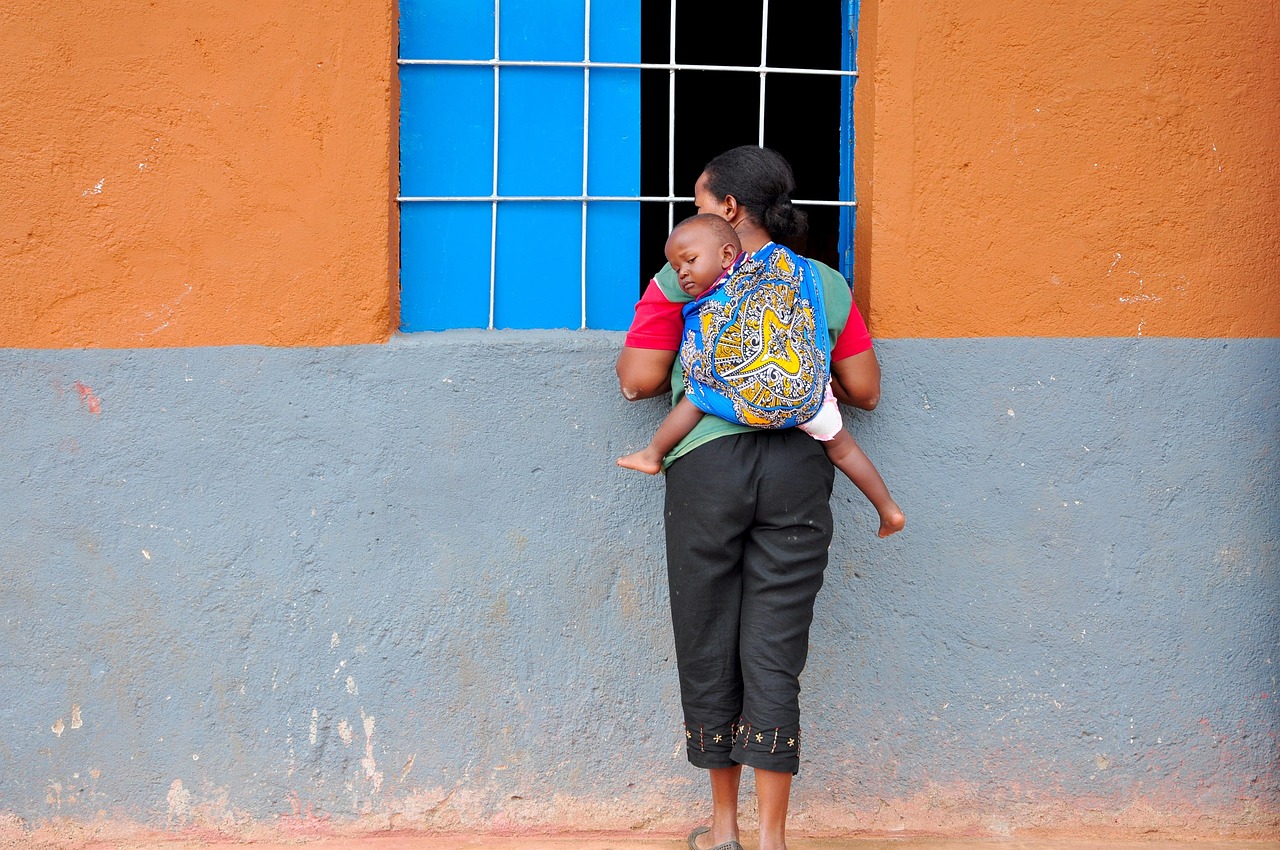
For more baby and kids product coverage, visit the baby and kids category.
What counts as a baby sling
In everyday shopping language, “baby sling” is often used broadly for wraps, ring slings, pouch slings and some hybrid fabric carriers. In regulatory language, the U.S. Consumer Product Safety Commission describes a sling carrier as a fabric or sewn-fabric product designed to contain one or two occupant children while supported by the caregiver’s torso. The federal definition covers children from full-term birth up to 35 pounds, although a manufacturer may set a higher weight limit if the product is designed and tested for it.
This distinction matters because not every soft carrier works the same way. A ring sling adjusts through metal or nylon rings. A stretchy wrap uses a long fabric panel tied around the body. A pouch sling is usually a loop or pre-shaped fabric band. A structured baby carrier may include buckles, panels and waist belts and may fall under a different product category. Shoppers often compare these products side by side, but their fit checks, learning curve and support needs differ.
The strongest sling choice is usually the one a caregiver can adjust securely, inspect easily and use consistently according to the instructions. Premium fabric or a popular social media look does not replace safe positioning.
U.S. safety rules that influence sling design
In the United States, sling carriers are regulated under 16 CFR Part 1228, the Safety Standard for Sling Carriers. As of October 2026, CPSC business guidance identifies ASTM F2907-22, with CPSC modifications, as the mandatory standard for sling carriers manufactured after November 19, 2022. Earlier effective dates applied to older versions of the ASTM standard, including ASTM F2907-15 and ASTM F2907-19.
For manufacturers and importers, the rule is not only about fabric strength. It covers design and performance areas such as structural integrity, occupant retention, restraint systems where applicable, openings, pinch or shear points, labeling, warning statements and instructional literature. Durable infant and toddler products also require permanent product information, including the manufacturer or importer name, contact information, model information and date of manufacture. Product registration requirements help firms contact consumers if a recall or safety notice is needed.
For parents, those compliance details become several practical shopping checks:
- Look for a clearly stated minimum and maximum user weight.
- Read warnings before the first use, not after a problem occurs.
- Check that labels are permanent and readable, not loose decorative tags.
- Make sure instructions explain positioning, tightening and safe removal.
- Confirm that the product is not subject to a recall or stop-use warning.
Compliance does not make misuse impossible. It sets a baseline for product design, testing and communication. The caregiver still has to position the baby correctly, monitor breathing and stop using the sling if the fabric, rings, seams or fasteners show damage.
Airway position is the central safety issue
The most important safety issue for a baby sling is airway protection. CPSC warnings and Health Canada guidance both emphasize that young babies have limited head and neck control. If a baby’s face is pressed into fabric or the caregiver’s body, breathing can be blocked. If the baby curls into a chin-to-chest position, airflow may also be compromised.
A practical fit check should happen every time the sling is used:
- Face visible: The caregiver should be able to see the baby’s nose and mouth without moving fabric aside.
- Chin off chest: There should be space under the chin so the head is not folded forward.
- High and close: The baby should sit high on the caregiver’s chest, close enough to monitor and support.
- Supported back: The sling should hold the baby’s body securely and not allow deep slumping.
- Clear fabric: Fabric should not cover the face, and coats or blankets should not be zipped or wrapped over the baby’s head.
Public health guidance is especially cautious for babies under 4 months, premature babies, low-birth-weight babies and infants with colds or breathing issues. Families in those situations should speak with a healthcare professional before using a sling. If a baby falls asleep while being carried, the caregiver should continue monitoring the airway and move the baby to a safe sleep surface when appropriate. A sling is a carrying product, not a crib, bassinet or sleep product.
Comparing common baby sling formats
Different sling formats solve different carrying problems. The right option depends on the caregiver’s body, the baby’s age and weight, the intended use and the caregiver’s willingness to learn the adjustment steps.
| Format | Common appeal | Watch points | Good buying signals |
|---|---|---|---|
| Ring sling | Quick adjustment, compact storage and one-shoulder carry | Uneven shoulder load, ring placement and fabric tightening can take practice | Clear ring material information, strong stitching, detailed tightening instructions and visible weight limits |
| Stretchy wrap | Soft feel for newborn carrying and flexible fit across caregivers | Needs careful tying and may lose support if too loose or overly stretched | Step-by-step tying guide, fabric recovery information, minimum weight guidance and warnings about airway position |
| Woven wrap | Supportive fabric and multiple carry options for experienced users | Longer learning curve and more variation in safe technique | Reliable sizing guidance, edge labeling, care instructions and education on approved carries |
| Pouch sling | Simple shape and fast use when sized correctly | Less adjustability; incorrect sizing can create slumping or poor positioning | Precise sizing guide, return policy, age and weight guidance and strong safety warnings |
No format is automatically safer in every situation. A simple product can be used poorly, and a more adjustable product can be used well after proper practice. For first-time users, the most valuable feature may be clear instruction rather than extra carrying positions.
What parents should check before buying
A baby sling is a close-contact product, so small design details matter. Before buying, parents should examine both the product page and, where possible, the product itself.
Weight and age guidance
The product should state a minimum and maximum weight. If it claims to fit newborns, the instructions should explain how to support a baby with limited head control. A vague “one size fits all babies” message is less useful than precise, testable guidance.
Instructions and warning quality
Good instructions show how to put the sling on, place the baby, tighten the carrier, check the airway and remove the baby safely. Warning language should be easy to find. It should not be hidden at the bottom of a listing or printed so small that a caregiver is unlikely to read it. See also: Buying Guides.
Construction and durability
Check stitching, seams, rings, buckles if present, fabric stretch and signs of wear. Used slings need extra inspection because washing, storage, sunlight and repeated tension can affect fabric condition. If a sling has missing labels or unknown origin, it is harder to verify whether it matches its instructions or intended weight range.
Care instructions
Because slings sit against baby skin and are often exposed to drool, milk and outdoor use, laundering instructions should be realistic. Parents should know whether the product can be machine washed, whether it needs air drying and whether heat may affect elasticity or shape.
Retail and category implications for baby and kids products
For baby-and-kids retailers, marketplaces and content publishers, the baby sling category requires more caution than a typical soft goods listing. A sling is apparel-like in material but safety-product-like in use. Merchandising should therefore not rely only on color, fabric trend or lifestyle imagery.
Retail teams should verify that each sling listing includes weight limits, safety warnings, care instructions, product identity, manufacturer or importer information and clear use images. If a product is marketed for newborns, the content should show airway-safe positioning rather than curled, hidden or overly reclined poses. Images where the baby’s face is covered may look cozy, but they can teach the wrong behavior.
For fast-moving consumer goods and private-label buyers, documentation matters. Before promoting a sling, buyers should request applicable compliance information, test reports where relevant, Children’s Product Certificate details for the U.S. market and evidence that labels and instructions match the production version. If a supplier changes fabric composition, rings, stitching, packaging or warning labels, the listing should be reviewed again.
Content teams should also avoid unsupported claims such as “safe for all newborns,” “approved for sleep” or “guaranteed ergonomic.” A more responsible product description explains the intended weight range, the need to keep the airway visible and the importance of following the manufacturer’s instructions.
Materials, comfort and seasonality
Materials influence comfort, washing and daily usability, but they should be discussed carefully. Cotton is familiar and washable. Linen can feel breathable but may require breaking in. Blends may offer softness, stretch or easier care depending on construction. Mesh or lighter fabrics may appeal in warm climates, but thinner does not automatically mean safer. The sling still needs adequate support and correct positioning.
Seasonality also affects use. In colder months, caregivers may be tempted to zip a coat over the baby in a sling. Health Canada specifically warns against covering the baby’s face with a coat or similar outerwear because of overheating and suffocation risks. A safer approach is to dress the baby in appropriate layers while keeping the face visible and the airway clear.
Comfort for the caregiver matters because discomfort can lead to poor adjustment. A sling that pulls on the neck, spreads unevenly across the shoulder or loosens during movement may encourage the caregiver to reposition the baby in unsafe ways. Fit education, not just fabric selection, is part of product value.
Frequently asked questions
Is a baby sling safe for newborns?
A baby sling can be used for some newborns when the product is designed for the baby’s weight and the caregiver follows positioning instructions. Extra caution is needed for babies under 4 months, premature babies, low-birth-weight babies and infants with breathing issues. The baby’s face must stay visible, the chin must stay off the chest and breathing should be monitored.
Can a baby sleep in a sling?
Babies often fall asleep while being carried, but a sling is not a safe sleep product. If a baby falls asleep, the caregiver should keep the airway visible and unobstructed and transfer the baby to an appropriate sleep surface when possible.
Are ring slings better than wraps?
Neither is automatically better. Ring slings are quick to adjust and compact, while wraps can distribute support differently and fit many body types. The better choice is the one that matches the baby’s weight, includes clear instructions and can be used correctly by the caregiver.
What should I avoid when choosing a baby sling?
Avoid products with no clear manufacturer information, missing weight limits, poor instructions, weak stitching, damaged rings or vague safety claims. Be cautious with secondhand slings if labels are missing or the product history is unknown.
What product claims should a retailer make?
Retailers should keep claims specific and verifiable. It is safer to state the intended weight range, materials, care method and positioning requirements than to make broad promises about sleep, development or universal fit.
The bottom line
A baby sling is a practical babywearing product, but it deserves the same level of scrutiny as other infant safety items. Parents should prioritize airway visibility, chin position, body support, instructions and product condition. Retailers and publishers should treat compliance details, warning quality and accurate imagery as core listing requirements. The most useful baby sling content does not promise effortless carrying for every family. It helps caregivers understand what to check, what to avoid and when to seek professional guidance before use.