

What Makes Yeast Infection Treatment Effective for Persistent Cases
What Is a Yeast Infection? And How to Get Rid of One.
Yeast infections are among the most frequent fungal conditions affecting women, though they can occur in other body areas too. They result from an overgrowth of Candida species, particularly Candida albicans, within mucosal tissues. Most infections respond well to short antifungal courses, but persistent or recurrent cases require deeper clinical attention. Effective yeast infection treatment combines accurate diagnosis, targeted antifungal therapy, and management of underlying factors such as immune or hormonal imbalance. Eliminating recurrence depends on addressing both microbial resistance and host susceptibility rather than relying on symptom-based interventions alone.
Understanding the Nature of Persistent Yeast Infections
Persistent yeast infections differ from occasional episodes due to their chronicity and resistance to standard therapies. Their complexity often reveals deeper biological mechanisms that sustain fungal survival despite treatment.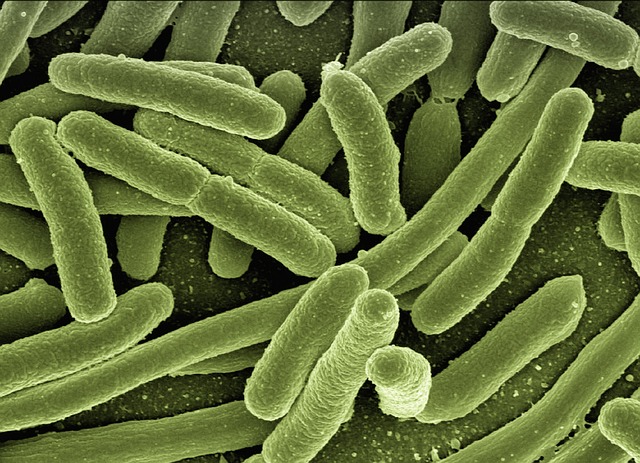
Defining Recurrent or Persistent Yeast Infections
Recurrent yeast infections are typically defined as four or more symptomatic episodes within one year. These cases often involve non-albicans Candida species such as Candida glabrata or Candida krusei, which show reduced sensitivity to azole antifungals. Chronic infection may also suggest hidden host factors like altered immunity or metabolic disorders that favor fungal persistence. Clinically, these infections produce similar symptoms—itching, discharge, irritation—but with shorter remission periods between episodes.
Common Causes Behind Recurrence
Recurrence frequently arises from incomplete eradication of the organism after initial therapy. When antifungal exposure is suboptimal, surviving cells can form biofilms—a structured matrix that shields yeast from drug penetration and immune attack. Hormonal fluctuations during menstrual cycles or pregnancy can alter vaginal glycogen levels and pH, creating favorable conditions for regrowth. Similarly, antibiotics disturb the balance of protective lactobacilli, allowing opportunistic fungi to dominate again.
Mechanisms That Determine Treatment Effectiveness
Treatment success for persistent yeast infections depends on both pharmacological and host-specific factors. Drug resistance patterns and local tissue environments jointly influence therapeutic outcomes.
Pharmacological Factors in Antifungal Therapy
Antifungal drugs are grouped mainly into azoles, polyenes, and echinocandins. Azoles inhibit ergosterol synthesis in fungal membranes; polyenes bind directly to membrane sterols; echinocandins disrupt cell wall synthesis. Resistance develops through efflux pump activation or mutations in target enzymes such as lanosterol demethylase. Tissue penetration is another determinant—systemic drugs reach reservoirs inaccessible to topical formulations, while inadequate concentration at infection sites reduces efficacy even with sensitive strains.
Host Factors Influencing Treatment Response
The host’s immune competence largely determines fungal clearance rates. Immunocompromised patients—those with diabetes, HIV infection, or corticosteroid therapy—show higher relapse risk due to impaired phagocytic activity. Vaginal pH below 4.5 favors lactobacilli dominance that suppresses Candida, whereas neutralization of acidity enhances colonization potential. Nutritional status and local estrogen levels further modulate epithelial defense mechanisms against fungal invasion.
Evaluating Current Therapeutic Strategies for Persistent Infections
Treatment planning must balance symptom control with long-term eradication goals. Selecting between systemic and topical regimens depends on disease extent and patient tolerance profiles.
Systemic vs. Topical Antifungal Approaches
Systemic antifungals such as fluconazole achieve broad tissue distribution, targeting deeper reservoirs where topical creams cannot reach effectively. However, systemic exposure may cause hepatic side effects or drug interactions in sensitive patients. Topical agents like clotrimazole remain suitable for localized infections with minimal systemic involvement but may not prevent recurrence if internal reservoirs persist. Combining both modalities—initial systemic induction followed by topical maintenance—can enhance cure rates in recurrent cases.
The Role of Maintenance and Suppressive Therapies
Maintenance therapy involves periodic low-dose antifungal administration over several months to suppress residual fungal growth after acute treatment ends. This approach prevents relapse by maintaining inhibitory drug concentrations within mucosal tissues without promoting high-level resistance development. For example, weekly fluconazole dosing has shown efficacy in preventing recurrences among women with recurrent vulvovaginal candidiasis while minimizing toxicity risks associated with continuous therapy.
Emerging Approaches in Yeast Infection Management
Advances in microbiology have introduced novel agents and biologically based interventions targeting resistant Candida species more effectively than conventional options.
Novel Antifungal Agents and Formulations
Next-generation triazoles exhibit improved activity against Candida glabrata by overcoming efflux-mediated resistance pathways. Non-azole compounds like ibrexafungerp act via unique mechanisms involving glucan synthase inhibition, expanding therapeutic choices for azole-refractory cases. Liposomal formulations of amphotericin B enhance delivery efficiency while reducing nephrotoxicity compared with conventional preparations—a crucial step toward safer long-term management of chronic infections.
Probiotic and Microbiome-Based Interventions
Restoring a lactobacillus-dominant vaginal flora remains central to natural defense against fungal overgrowth. Specific probiotic strains such as Lactobacillus rhamnosus GR-1 have demonstrated inhibitory effects on Candida adhesion to epithelial cells and suppression of biofilm formation in vitro studies. Integrating probiotics into maintenance regimens may complement pharmacological treatments by stabilizing microbiota composition following antibiotic or antifungal exposure.
Diagnostic Precision as a Foundation for Effective Treatment
Accurate identification of the infecting species is essential before initiating prolonged therapy since drug susceptibility varies widely across Candida strains.
Importance of Accurate Identification of Candida Species
Traditional microscopy cannot reliably distinguish between Candida albicans and non-albicans Candida. Molecular diagnostic tools like PCR assays provide rapid differentiation based on genetic markers associated with resistance traits. Culture-based sensitivity testing remains vital for guiding antifungal selection when empirical therapy fails or atypical presentations occur. Laboratories increasingly employ MALDI-TOF mass spectrometry for precise species-level identification within hours rather than days.
Assessing Underlying Predisposing Conditions
Persistent infection often signals unrecognized predisposing conditions requiring parallel evaluation alongside antifungal therapy. Screening for diabetes mellitus through fasting glucose tests helps detect hyperglycemia-driven susceptibility; assessing immunosuppressive medication use identifies reversible risk factors; reviewing recent antibiotic courses highlights potential microbiome disruption contributing to recurrence cycles.
Integrative Approaches to Prevent Recurrence
Sustainable prevention extends beyond pharmacology into lifestyle modification and coordinated multidisciplinary care aimed at restoring biological equilibrium.
Lifestyle and Environmental Modifications
Maintaining appropriate genital hygiene without excessive cleansing preserves beneficial bacteria that naturally limit fungal proliferation. Wearing breathable cotton underwear reduces moisture retention—a known facilitator of yeast growth—while managing stress through relaxation techniques supports immune regulation pathways involved in mucosal defense responses. Balanced diets rich in fiber and low in refined sugars further decrease substrate availability for fungal metabolism.
Coordinated Multidisciplinary Care Strategies
Complex recurrent cases benefit from collaboration among gynecologists, infectious disease specialists, endocrinologists, and microbiologists who collectively design individualized management plans addressing both pathogen behavior and host physiology. This integrated model allows adjustment of therapies according to laboratory feedback while monitoring systemic contributors such as hormonal fluctuations or glucose instability that perpetuate relapse cycles.
FAQ
Q1: What causes a yeast infection?
A: It occurs when Candida species multiply excessively due to disrupted microbiota balance, hormonal changes, antibiotic use, or weakened immunity.
Q2: How is a persistent yeast infection diagnosed?
A: Diagnosis involves culture or molecular testing to identify specific Candida species and determine antifungal susceptibility profiles before extended treatment begins.
Q3: Can probiotics help treat yeast infections?
A: Certain probiotic strains restore normal vaginal flora by inhibiting fungal adhesion and biofilm formation but should complement—not replace—antifungal medication.
Q4: Why do some people experience repeated infections?
A: Recurrent episodes often result from incomplete eradication of fungi after prior treatments combined with underlying metabolic or immune disturbances that favor regrowth.
Q5: What is the best yeast infection treatment for chronic cases?
A: A combination approach using systemic induction therapy followed by maintenance dosing plus lifestyle adjustments offers the highest success rate for long-term remission.