
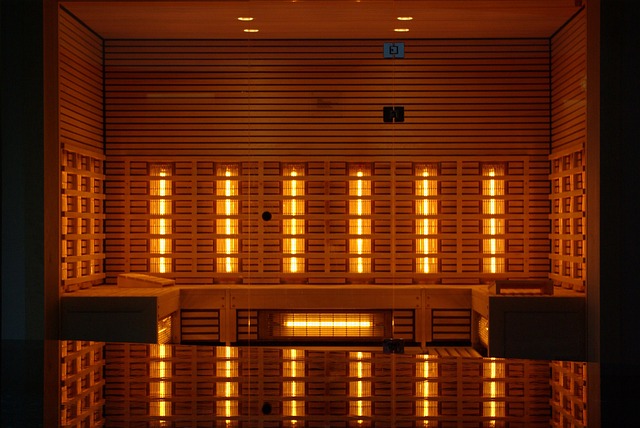
Is Infrared Sauna Therapy Redefining Wellness Science or Just a Trend
Inside the FIR Sauna Trend: Benefits, Risks, and Expert Insights
Infrared sauna therapy has moved from niche wellness circles into mainstream clinical discussion. Experts now treat it as a serious adjunct to cardiovascular conditioning, recovery protocols, and metabolic regulation. The science behind far infrared radiation (FIR) shows measurable physiological effects—enhancing circulation, modulating inflammation, and influencing cellular energy metabolism. Yet, despite its growing popularity among athletes and health enthusiasts, evidence remains mixed on long-term outcomes. The trend is not just about relaxation; it’s about how controlled thermal exposure interacts with human biology at the molecular level.
The Science Behind Infrared Sauna Therapy
Infrared saunas operate on a fundamentally different physical principle than traditional steam or dry saunas. Instead of heating the air first, they emit radiant energy that warms tissues directly. This deeper penetration changes how the body perceives heat and initiates thermoregulatory responses.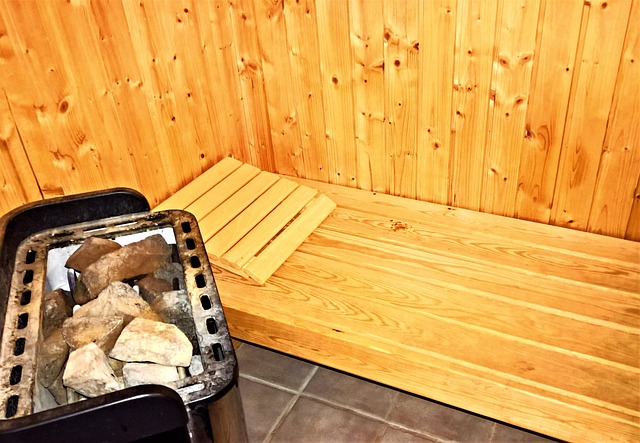
The Mechanism of Infrared Heat on the Human Body
Infrared wavelengths reach beneath the skin’s surface, influencing microcirculation and oxygen delivery in ways convective heat cannot. FIR exposure promotes vasodilation through nitric oxide pathways, improving nutrient exchange at the capillary level. Near-infrared light interacts more with superficial tissues and mitochondrial chromophores, while far-infrared penetrates up to several centimeters into muscle layers. These wavelength differences explain why users report distinct sensations between near-, mid-, and far-infrared devices.
Comparing Infrared Saunas to Traditional Heat Therapy
Traditional saunas rely on convective heating—air warmed to around 80–100°C transfers heat to the body’s surface. Infrared systems function at lower ambient temperatures (typically 45–60°C), yet deliver comparable core temperature rises due to direct radiant absorption. This makes them more tolerable for individuals sensitive to high heat or humidity. From an energy standpoint, infrared units consume less power per session because they don’t need to heat large air volumes.
Implications for Cardiovascular Load and User Comfort Levels
Lower ambient temperature reduces strain on respiration while maintaining cardiovascular activation similar to moderate exercise. Studies show heart rate increases of 20–30% during sessions without excessive blood pressure elevation. For those with mild hypertension or limited exercise tolerance, this provides a low-impact circulatory stimulus that feels comfortable even after prolonged exposure.
Evaluating the Claimed Health Benefits of Infrared Sauna Use
The claimed benefits of infrared sauna use range from detoxification to improved skin tone. However, scientific scrutiny reveals that while some effects are well-documented, others remain speculative or overstated.
Cardiovascular and Circulatory System Effects
Clinical trials have observed modest but consistent reductions in systolic blood pressure following repeated FIR sessions over several weeks. Improved endothelial function appears linked to enhanced nitric oxide bioavailability and reduced oxidative stress markers. Long-term use may support vascular elasticity and resilience comparable to aerobic conditioning in sedentary adults.
Detoxification and Metabolic Processes
Perspiration induced by FIR exposure does promote fluid-based excretion of trace metals like lead or cadmium, though concentrations are minimal compared with renal clearance routes. Claims of “toxin elimination” often exceed empirical evidence. Still, elevated metabolic rate during sessions can increase calorie expenditure marginally—roughly equivalent to light walking intensity.
Musculoskeletal Recovery and Pain Management
Far-infrared therapy reduces delayed-onset muscle soreness by improving local blood flow and accelerating lactate clearance. Athletes use it between training cycles for faster recovery without additional mechanical load. Controlled studies also indicate reduced joint stiffness in arthritis patients when combined with physiotherapy routines.
Skin Health and Cellular Regeneration Claims
Improved peripheral circulation enhances oxygenation of dermal layers, which can brighten complexion temporarily. Some research suggests infrared exposure stimulates fibroblast activity leading to increased collagen production over time. Dermatologists have begun exploring FIR as adjunctive therapy for chronic skin conditions like psoriasis or eczema due to its anti-inflammatory potential.
Risks, Limitations, and Safety Considerations in Infrared Sauna Therapy
Despite its benefits, infrared sauna therapy carries physiological risks if misused or applied without medical oversight.
Thermal Stress and Hydration Concerns
Extended sessions above 60°C may cause dehydration or hypotension due to excessive sweating without electrolyte replacement. Users should hydrate before and after each session and limit exposure initially to 15–20 minutes until acclimated. Monitoring heart rate variability helps gauge individual tolerance thresholds effectively.
Contraindications for Specific Health Conditions
Individuals with unstable cardiovascular disease or pacemakers must seek medical clearance before use since electromagnetic fields may interfere with device function. Pregnant users are advised against high-heat environments due to fetal thermoregulation limits. Clinical supervision is essential when integrating FIR therapy into rehabilitation programs involving compromised patients.
Expert Insights on the Future of Infrared Sauna Research and Application
Infrared sauna research remains fragmented across small-scale trials lacking standardized parameters such as wavelength distribution or temperature control methods.
Current Gaps in Clinical Evidence
Most studies involve fewer than fifty participants with short follow-up durations under eight weeks. This limits statistical power for chronic outcome assessment like long-term cardiovascular adaptation or immune modulation effects. Establishing uniform testing conditions would improve comparability across institutions globally.
Integration into Modern Wellness Practices
Infrared saunas now appear in physiotherapy clinics alongside cryotherapy chambers as part of contrast-therapy regimens enhancing vascular flexibility. Home-use models equipped with safety sensors make daily sessions accessible beyond professional settings. However, marketing narratives often blur lines between relaxation benefits and unverified medical claims—a point regulators continue monitoring closely.
Technological Innovation Driving the Infrared Sauna Market Evolution
Engineering advances are reshaping how infrared saunas deliver controlled thermal experiences tailored to individual physiology rather than one-size-fits-all heating profiles.
Advances in Sauna Design and Material Science
Manufacturers now employ carbon fiber emitters producing uniform radiant fields while minimizing electromagnetic interference levels below international safety thresholds defined by IEC standards. Low-EMF certification has become a key selling point among premium models targeting clinical buyers concerned about chronic EM exposure risks.
The Role of Data Analytics in Personalized Wellness Experiences
Emerging smart systems integrate biometric feedback—heart rate sensors, skin temperature probes—to adjust heater output dynamically during each session. Artificial intelligence algorithms analyze user data trends over time to recommend optimal duration or frequency settings aligned with recovery goals or cardiovascular capacity metrics collected from wearable devices.
FAQ
Q1: How often should an individual use an infrared sauna?
A: Most experts recommend three to four sessions per week lasting 20–30 minutes each for general wellness; athletes may increase frequency under hydration monitoring.
Q2: Is FIR therapy safe for people with hypertension?
A: Mild hypertension is generally compatible when sessions remain below 60°C; however, consultation with a physician is advised before beginning regular use.
Q3: Can infrared saunas help with weight loss?
A: Caloric burn occurs but remains modest—comparable to light physical activity—so weight management still depends primarily on diet and exercise habits.
Q4: Are there any age restrictions for using infrared saunas?
A: Children under 12 should avoid full sessions due to immature thermoregulation; elderly users should limit duration until tolerance is established gradually.
Q5: What distinguishes near-, mid-, and far-infrared wavelengths?
A: Near-infrared targets surface tissues aiding skin rejuvenation; mid-range supports muscle relaxation; far-infrared penetrates deepest affecting circulation and core temperature most significantly.