Can Infrared Sauna Enhance the Efficacy of Plant-Based Skincare in a Vegan Spa
From Plant-Based Skincare to an Infrared Sauna: How to Create a Vegan Home Spa Oasis
Creating a vegan home spa that blends plant-based skincare with infrared sauna therapy is more than a wellness trend—it’s a science-backed ritual that supports skin vitality and environmental ethics. The combination of botanical formulations and heat therapy enhances nutrient absorption, stimulates collagen, and promotes detoxification. When integrated thoughtfully, these treatments deliver results comparable to professional spa experiences while maintaining cruelty-free principles. The key lies in aligning thermal exposure with the natural chemistry of plant ingredients for optimal skin performance.
Integrating Infrared Sauna Therapy into Plant-Based Skincare Practices
The interaction between heat therapy and botanical skincare creates a multi-layered effect on the skin’s physiology. By combining circulation-boosting infrared wavelengths with nutrient-dense vegan formulations, each session becomes both restorative and functional.
Understanding the Synergy Between Heat Therapy and Botanical Formulations
Infrared heat increases microcirculation, allowing active compounds from plant-based serums to penetrate deeper layers of the skin. As pores open under gentle warmth, essential oils and phytonutrients are absorbed more efficiently. This process enhances the bioavailability of antioxidants found in green tea, chamomile, or rosehip extracts. The detoxifying nature of an infrared sauna session complements the cleansing power of vegan skincare by supporting lymphatic drainage and reducing oxidative stress.
Physiological Mechanisms Underlying Enhanced Skin Absorption
Heat exposure triggers vasodilation, expanding capillaries and improving permeability. This mechanism facilitates the uptake of vitamins A, C, and E from topical products. Sweating removes impurities such as sebum buildup or environmental toxins, preparing the epidermis for better nutrient exchange. Infrared wavelengths also stimulate fibroblast activity responsible for collagen synthesis, which amplifies elasticity and firmness when paired with plant-derived peptides or fruit enzymes.
The Science Behind Plant-Based Skincare in a Vegan Spa Context
In a vegan spa environment, every product formulation must align with ethical sourcing and biological compatibility. The absence of synthetic additives allows plant compounds to interact naturally with skin exposed to controlled infrared heat.
Composition and Function of Botanical Ingredients
Botanical skincare relies on phytonutrients like flavonoids and polyphenols that defend against free radicals while nourishing cellular structures. Cold-pressed oils such as jojoba or argan maintain lipid balance without clogging pores. Enzymes from papaya or pineapple provide mild exfoliation that complements post-sauna renewal phases by removing dead cells without irritation.
Compatibility of Plant-Based Formulas with Thermal Environments
Temperature stability plays a crucial role in maintaining ingredient efficacy during sauna sessions. Some essential oils may lose potency under prolonged heat; hence they are better applied afterward. Hydrating agents like aloe vera gel or hyaluronic acid restore moisture balance once the body cools down, counteracting dehydration caused by perspiration.
Designing a Vegan Spa Experience Centered on Infrared Sauna Therapy
A well-designed vegan spa integrates sustainability with sensory comfort. Every detail—from materials to treatment flow—supports both ethical wellness and dermatological benefits.
Key Components of a Vegan Spa Environment
A cruelty-free spa should use eco-certified skincare lines packaged in recyclable containers. Sustainable furnishings made from bamboo or reclaimed wood reinforce environmental responsibility while creating a calming aesthetic. All plant-derived ingredients must be ethically sourced to guarantee transparency across supply chains.
Structuring a Sequential Treatment Protocol
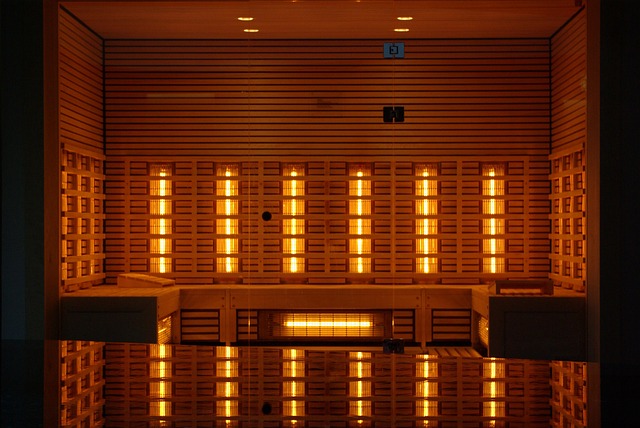
Before entering an infrared sauna, clients should cleanse their skin using sulfate-free botanical cleansers that remove debris without stripping natural oils. A lightweight hydrating serum can act as a protective layer against moisture loss during heat exposure. During the sauna phase, maintaining temperatures between 45°C and 60°C allows gradual warming without over-stressing the skin barrier. Encouraging mindful breathing helps regulate body temperature and supports detoxification through oxygen exchange. Afterward, applying antioxidant-rich masks infused with vitamin C or green tea extract maximizes post-sauna absorption when pores remain receptive. Cooling mists containing cucumber or chamomile soothe inflammation while sealing hydration.
Evaluating the Dermatological Benefits of Combining Infrared Therapy with Vegan Skincare
When practiced consistently, this dual approach yields visible improvements in clarity, tone, and resilience—outcomes supported by both dermatological research and professional observation.
Enhanced Detoxification and Skin Clarity Outcomes
Increased perspiration during infrared sessions accelerates toxin elimination via sweat glands while promoting clearer complexion through improved circulation. Regular use reduces congestion in sebaceous follicles, minimizing dullness often linked to sluggish blood flow or pollutant buildup.
Collagen Support and Anti-Aging Effects
Infrared wavelengths penetrate beyond superficial layers to activate fibroblasts responsible for collagen production. When combined with vitamin C–rich serums derived from citrus fruits or camu camu extract, this process enhances elasticity restoration and reduces fine lines over time.
Moisture Retention and Barrier Function Improvement
Post-sauna hydration rituals reinforce the lipid matrix within the stratum corneum. Natural humectants like glycerin extracted from plants help counteract transdermal water loss induced by heat exposure while maintaining suppleness across different skin types.
Advanced Considerations for Professionals Implementing Vegan Spa Therapies
Professionals integrating these methods must tailor protocols based on individual needs while maintaining ecological integrity throughout operations.
Customizing Treatments Based on Skin Type and Sensitivity Levels
Each client’s tolerance determines sauna duration and product concentration. Sensitive or rosacea-prone individuals benefit from shorter sessions coupled with cooling botanicals such as aloe vera juice or oat extract. Essential oils known for photosensitivity—like citrus varieties—should be avoided before infrared exposure to prevent irritation.
Integrating Technology and Sustainability in Spa Operations
Energy-efficient infrared systems align wellness goals with environmental stewardship by reducing electricity consumption compared to traditional saunas. Refillable packaging programs for vegan skincare minimize waste generation while encouraging consumer participation in sustainable practices.
Training and Knowledge Development for Spa Practitioners
Continuous education remains central to safe implementation. Practitioners should study dermatological responses to thermal therapy through accredited programs recognized by international standards organizations such as ISO or IEC. Familiarity with ingredient interactions ensures compatibility between heat treatments and botanical formulas without compromising efficacy or safety.
FAQ
Q1: How often should an infrared sauna be used alongside plant-based skincare?
A: Two to three times per week is sufficient for most skin types; consistency matters more than frequency for visible improvements.
Q2: Can essential oils be applied before entering an infrared sauna?
A: It’s advisable to avoid direct application before heat exposure since volatile compounds may degrade under high temperatures; apply them after cooling down instead.
Q3: What temperature range is ideal for home-use infrared saunas?
A: Maintaining between 45°C and 60°C provides therapeutic benefits without overstressing cardiovascular function or dehydrating skin tissues.
Q4: Are there specific vegan ingredients best suited for post-sauna recovery?
A: Yes—aloe vera gel, green tea extract, hyaluronic acid from fermented plants, and cucumber water are all effective for rehydration after thermal therapy.
Q5: How can spa operators maintain sustainability when offering these treatments?
A: Using energy-efficient equipment, sourcing certified vegan products, implementing refillable packaging systems, and training staff in eco-conscious protocols create long-term operational balance.