Are Yeast Infection Treatment Home Remedies Scientifically Reliable
Are Home Remedies for Vaginal Yeast Infections Safe? Here’s What the Science Says
Vaginal yeast infections are among the most common gynecological issues, yet their management often sparks debate between conventional medicine and home-based care. Scientific evidence shows that while antifungal drugs remain the gold standard for yeast infection treatment, many individuals turn to home remedies due to accessibility and perceived safety. However, research indicates that these natural options vary widely in reliability, and some may even pose risks. The safest approach combines clinical diagnosis with evidence-based therapies while maintaining open communication about alternative methods.
The Biological Basis of Yeast Infections
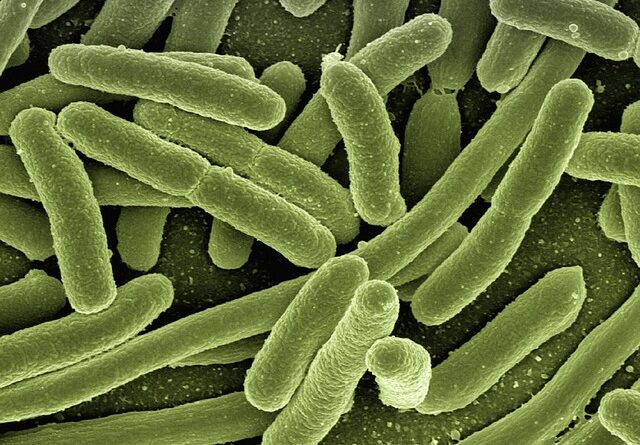
The vaginal ecosystem is a finely tuned balance of microorganisms where bacteria and fungi coexist. When this equilibrium shifts, fungal overgrowth can occur, leading to infection.
Candida Species as the Primary Cause
Candida albicans accounts for nearly 85–90% of vaginal yeast infections. It is an opportunistic organism that thrives when normal bacterial flora—particularly Lactobacillus species—decline. This imbalance allows fungal cells to proliferate on mucosal surfaces and trigger inflammation.
Factors That Disrupt Microbiome Balance
Hormonal fluctuations during pregnancy or menstruation, antibiotic use that depletes protective bacteria, and immune suppression are frequent triggers. Even lifestyle factors such as tight clothing or high-sugar diets can create favorable conditions for fungal growth.
Clinical Manifestations and Diagnostic Considerations
Typical symptoms include intense itching, thick discharge resembling cottage cheese, and vulvar redness or swelling. Microscopic examination or culture remains essential for confirmation since misdiagnosis with bacterial vaginosis or contact dermatitis is common. Without proper testing, inappropriate treatments can worsen irritation or delay recovery.
Overview of Conventional Medical Treatments
Conventional medicine relies on antifungal drugs with proven efficacy supported by decades of clinical data. Despite emerging resistance patterns, these remain first-line interventions.
Standard Antifungal Therapies
Azole antifungals such as fluconazole (oral) and clotrimazole (topical) inhibit ergosterol synthesis in fungal cell membranes. Topical forms offer rapid local relief but require adherence over several days; oral dosing provides convenience but may cause systemic side effects like nausea or liver enzyme elevation.
Evidence-Based Treatment Protocols
For uncomplicated cases, a single oral dose or short topical course suffices. Recurrent infections—defined as four or more episodes per year—often require maintenance therapy extending over six months. Combination regimens may be necessary when non-albicans species are identified since they exhibit reduced azole sensitivity.
Monitoring Therapeutic Outcomes
Clinicians monitor symptom resolution within a week and assess potential drug interactions, particularly in patients using hormonal contraceptives or anticoagulants. Persistent cases warrant culture-based susceptibility testing to tailor further therapy effectively.
The Appeal of Home Remedies in Yeast Infection Management
Despite medical advances, many individuals explore home remedies before seeking professional care. This trend reflects broader health behavior patterns emphasizing self-management and “natural” solutions.
Motivations Behind Using Home Remedies
Perceived safety plays a major role; people often assume that plant-derived products are gentler than pharmaceuticals. Cost also influences decisions since over-the-counter antifungals can be expensive in some regions. Additionally, online forums and cultural traditions perpetuate long-standing beliefs in herbal cures despite limited scientific backing.
Commonly Promoted Home Remedies
Probiotic Applications
Yogurt containing live cultures or probiotic supplements aims to reintroduce beneficial Lactobacillus strains into the vaginal environment. Some small studies suggest reduced recurrence rates when taken orally alongside antifungal drugs.
Natural Antifungal Substances
Tea tree oil suppositories, coconut oil applications, and crushed garlic are frequently cited online for their purported antifungal effects. These substances contain compounds like terpinen-4-ol (tea tree oil) and allicin (garlic), which show laboratory activity against Candida but lack consistent clinical validation.
Dietary Modifications
Reducing refined sugar intake is believed to limit fungal proliferation since glucose serves as a key energy source for yeast metabolism. While logical in theory, controlled trials confirming this effect remain scarce.
Evaluating the Scientific Reliability of Home Remedies
Scientific scrutiny reveals that while some natural interventions demonstrate promise in vitro, translation into clinical benefit remains uncertain due to methodological limitations and inconsistent formulations.
Reviewing Empirical Evidence for Probiotics
Randomized controlled trials yield mixed outcomes: some show modest symptom improvement; others find no difference compared with placebo. Strain specificity matters—Lactobacillus rhamnosus GR-1 and Lactobacillus reuteri RC-14 appear most effective at colonizing vaginal tissue. Yet small sample sizes and variable dosing regimens hinder definitive conclusions about their role in yeast infection treatment.
Assessing Natural Antifungal Agents Scientifically
Tea Tree Oil and Its Mechanisms of Action
In vitro experiments confirm tea tree oil’s ability to disrupt fungal membranes through terpene-induced leakage of cellular contents. However, mucosal irritation limits its direct vaginal application; dilution does not fully mitigate risk of dermatitis or burning sensations reported by users.
Garlic Extracts and Allicin Activity
Allicin exhibits broad-spectrum antimicrobial properties under laboratory conditions but degrades rapidly upon exposure to body fluids. Direct insertion of raw garlic has caused documented chemical burns without proven therapeutic gain.
Coconut Oil and Caprylic Acid Effects
Coconut oil contains medium-chain fatty acids like caprylic acid that inhibit Candida growth in petri dish studies. Nevertheless, absence of standardized concentrations across commercial oils makes reproducibility problematic in clinical settings.
Potential Risks Associated with Unverified Treatments
While natural remedies appeal emotionally, they are not inherently harmless. Improper use can lead to complications that outweigh any potential benefits.
Adverse Reactions from Topical Applications
Essential oils may alter vaginal pH or provoke allergic responses manifested as redness or blistering. Nonsterile homemade preparations risk introducing secondary bacterial contaminants that exacerbate infection severity rather than relieve it.
Interference with Diagnostic Accuracy
Self-treatment before medical evaluation may suppress visible symptoms temporarily but complicate laboratory identification later on. This delay can allow resistant strains to persist undetected, leading to chronic recurrences requiring prolonged therapy courses.
Integrating Scientific Insight into Patient Counseling
Healthcare providers face growing pressure to reconcile patient interest in natural care with evidence-based standards of practice.
The Role of Healthcare Professionals in Guiding Safe Practices
Clinicians should engage patients respectfully about alternative methods while clarifying scientific gaps honestly. Emphasizing laboratory confirmation before initiating any form of yeast infection treatment reduces mismanagement risk and fosters trust between patient and provider.
Recommendations for Future Research Directions
Future investigations should adopt standardized trial designs assessing both efficacy and safety parameters for popular remedies like probiotics or essential oils. Exploring synergistic combinations—for instance probiotics plus azole therapy—could potentially shorten recovery time or prevent relapse if validated through rigorous testing frameworks consistent with international clinical research standards such as those outlined by the World Health Organization’s Good Clinical Practice guidelines.
FAQ
Q1: Can probiotics alone cure a vaginal yeast infection?
A: Current evidence suggests probiotics may support recovery but rarely cure infections independently; they work best alongside prescribed antifungals under medical supervision.
Q2: Is it safe to apply tea tree oil directly inside the vagina?
A: No, undiluted tea tree oil can irritate delicate mucosa; even diluted forms carry risk without proven benefit from controlled trials.
Q3: Do dietary changes prevent recurrent yeast infections?
A: Reducing sugar might help limit fungal growth indirectly but should complement—not replace—medical treatment plans verified by diagnostic testing.
Q4: Why do some women experience repeated infections despite proper therapy?
A: Recurrence often stems from resistant Candida strains, reinfection from sexual partners, or underlying conditions like diabetes altering immune response dynamics.
Q5: When should someone seek professional help instead of using home remedies?
A: Medical evaluation is warranted if symptoms persist beyond three days, recur frequently, involve pain during urination or intercourse, or include unusual discharge color suggesting mixed infection types.