
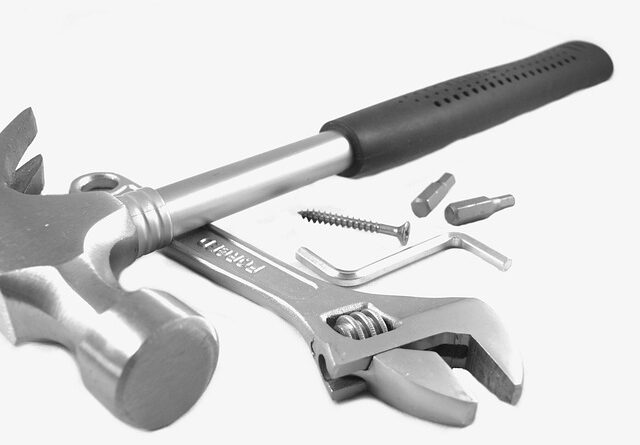
What Makes a Basic Tool Kit for Home Essential in Every Garage and Shed
The 50 Tools That Belong in Every Garage, Toolbox, and Shed
A well-equipped home is not just about comfort—it’s about readiness. A basic tool kit for home use turns everyday maintenance into manageable tasks rather than emergencies. Whether tightening a loose hinge, fixing a leaky faucet, or building a small shelf, having the right tools saves time and money. For professionals and homeowners alike, the right set of tools bridges convenience with capability. This guide explores how each category of tool contributes to home efficiency, safety, and long-term maintenance value.
The Role of a Well-Equipped Tool Kit in Home Maintenance
Every household benefits from a reliable toolkit that supports both routine and unexpected repairs. A basic tool kit for home provides immediate access to essential instruments needed for daily fixes without waiting for professional help.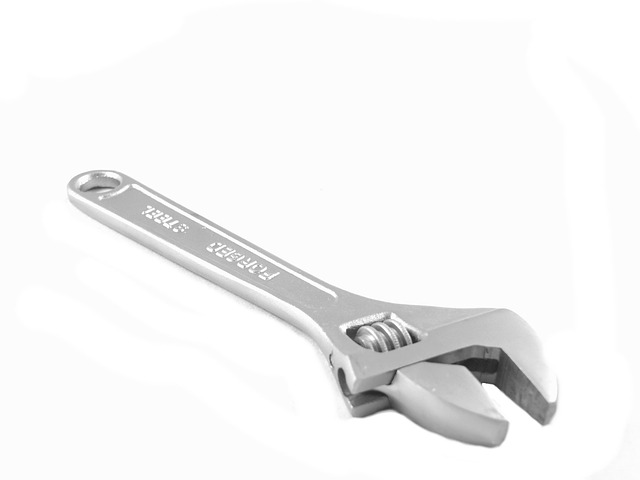
A Comprehensive Tool Kit Supports Routine Home Repairs and Maintenance
Routine maintenance—tightening screws, replacing fixtures, or assembling furniture—requires dependable hand tools. Having screwdrivers, hammers, and pliers ready means fewer delays when small issues arise. Over time, this readiness prevents minor problems from escalating into costly repairs.
Readily Available Tools Reduce Downtime and Dependency on Professional Services
When tools are on hand, even complex jobs like minor plumbing or electrical adjustments can be completed faster. Homeowners reduce service calls by managing small repairs themselves. In garages or sheds, this autonomy also means projects progress without interruption.
Proper Tool Selection Enhances Efficiency, Safety, and Precision in Repair Tasks
Choosing the correct tool for each task improves accuracy while minimizing damage to materials or injury risk. For example, using an insulated screwdriver for electrical work ensures safety compliance consistent with IEC standards.
How a Basic Tool Kit Enhances Garage and Shed Functionality
Garages and sheds often serve as multifunctional spaces where repair work meets creativity. An organized toolkit elevates these environments from cluttered storage areas to efficient workstations.
A Well-Organized Tool Kit Ensures Readiness for Mechanical, Carpentry, or Electrical Work
Proper arrangement of tools allows quick access during tasks like vehicle maintenance or woodworking. Each instrument—from wrenches to saws—should have its designated place to streamline workflow.
Essential Tools Streamline Workflow in Both Hobbyist and Professional Environments
Even hobbyists benefit from professional-grade precision tools. For instance, adjustable wrenches simplify mechanical adjustments while maintaining control over torque application.
Consistent Access to Quality Tools Promotes Proper Upkeep of Household Systems
Regular use of reliable tools encourages preventive maintenance across plumbing, electrical systems, and structural components—extending their lifespan significantly.
Core Components of a Basic Tool Kit for Home Use
A solid toolkit begins with dependable hand tools designed for frequent use across multiple applications.
Hand Tools for Everyday Repairs
Before investing in power equipment, mastering basic hand tools establishes essential repair skills that translate across all trades.
Essential Screwdrivers and Their Applications
Flathead screwdrivers fit slotted screws common in furniture assembly, while Phillips heads handle cross-shaped fasteners found in appliances. Precision sets are indispensable when working on electronics or delicate fittings.
Hammers and Mallets for Versatile Tasks
A claw hammer remains fundamental for driving nails or removing them during demolition. Rubber mallets are gentler alternatives ideal for aligning tiles or assembling wooden joints without leaving marks.
Pliers and Wrenches for Grip and Adjustment
Combination pliers combine gripping strength with wire-cutting ability—vital during electrical work. Adjustable wrenches adapt quickly to varying bolt sizes without needing multiple fixed sets.
Measuring and Marking Tools for Accuracy
Accurate measurement defines the difference between professional craftsmanship and guesswork.
Tape Measures, Levels, and Squares
A 25-foot tape measure covers most household layouts efficiently. Spirit levels confirm horizontal alignment during shelf installation or tile setting. Carpenter’s squares ensure perfect right angles during framing projects.
Power Tools That Expand the Capability of a Basic Tool Kit
Power tools extend manual capability by adding speed and force where physical effort limits precision or productivity.
Drills, Drivers, and Their Attachments
Cordless drills remain among the most versatile power tools; they handle drilling through wood or metal with ease while offering portability through rechargeable batteries. Impact drivers add torque suitable for heavy-duty screws or lag bolts used in structural frames.
Saws for Cutting Wood, Metal, and Plastic Materials
Circular saws handle straight cuts on lumber sheets efficiently during large builds. Jigsaws excel at curved patterns or intricate detailing when working with plastics or thin metals—ideal for custom fabrication tasks in home workshops.
Safety Equipment as an Integral Part of Every Tool Kit
Safety isn’t optional—it’s foundational to every successful repair session at home or on-site.
Personal Protective Gear to Prevent Injuries
Maintaining safety awareness ensures longevity both for workers and their equipment investments.
Essential Safety Accessories
Safety goggles guard eyes against dust particles when drilling concrete walls. Durable gloves protect hands from abrasions while improving grip under wet conditions—a necessity during outdoor projects.
Electrical Safety Tools
Insulated screwdrivers rated under IEC 60900 standards prevent electric shock hazards when handling live wires. Voltage testers confirm circuit disconnection before any replacement begins—a simple yet life-saving step often overlooked by amateurs.
Storage Solutions to Maintain an Efficient Workshop Environment
Orderly storage transforms scattered equipment into an accessible system that supports productivity across multiple projects.
Organizing Tools in Garages and Sheds
A clean workspace reduces search time while improving focus on actual repair work rather than locating missing items.
Toolboxes, Pegboards, and Modular Systems
Portable toolboxes keep essentials mobile between rooms or outdoor sites. Pegboards mounted on shed walls visually organize frequently used gear like screwdrivers or pliers within arm’s reach—ideal during multitask operations.
Maintenance Practices for Longevity
Routine cleaning removes grime buildup preventing corrosion on steel surfaces. Regular inspection confirms handles remain secure and blades sharp enough to maintain operational safety standards comparable to ISO 5743 guidelines on hand-tool durability testing.
Expanding the Toolkit: Specialized Tools Worth Considering
Once foundational pieces are established, specialized additions further enhance project diversity within garages or sheds.
Automotive Tools for Garage Applications
Socket sets simplify tire rotation tasks while torque wrenches maintain precise tightening consistent with manufacturer torque charts—a critical factor preventing engine component damage during assembly checks.
Garden Tools Suited for Shed Storage
Pruning shears enable accurate trimming promoting plant regrowth cycles effectively documented by horticultural studies under IEA resource management frameworks. Spades assist soil aeration before planting seasons; rakes manage debris collection efficiently after landscaping efforts conclude.
Evaluating Quality, Material, and Ergonomics in Tool Selection
Durability depends heavily on material quality paired with user comfort through thoughtful ergonomic engineering principles derived from industrial design practices recognized by ISO 9241-210 usability standards.
Criteria for Choosing Durable Tools
Selecting robust construction materials guarantees consistent performance across years of repetitive use cycles common among professionals maintaining workshop inventories daily.
Material Composition and Build Quality
Forged steel provides superior tensile strength resisting deformation even under repeated impact loads typical during carpentry framing jobs. Anti-corrosion coatings extend lifespan particularly within humid climates where oxidation accelerates wear patterns rapidly observed in coastal regions worldwide.
Ergonomic Design Considerations
Non-slip rubberized grips reduce fatigue over extended sessions enhancing stability when applying torque pressure manually through wrench handles; balanced weight distribution contributes smoother motion control reducing strain injuries long-term users frequently report across mechanical trades globally surveyed by IEEE occupational research data sets.
The Strategic Value of Investing in a Comprehensive Home Tool Kit
Beyond convenience lies measurable financial advantage: ownership translates directly into reduced service dependency alongside increased property resilience against wear-related depreciation factors tracked within real estate assessments globally reported by Bloomberg market analytics studies on homeowner asset retention trends since 2018 onward.
Long-Term Benefits of Proper Equipment Ownership
Self-sufficient maintenance eliminates recurring contractor fees saving hundreds annually per household average across OECD housing reports; consistent upkeep sustains structure integrity preserving resale valuation margins over decades-long occupancy periods documented within ISO property sustainability indices datasets globally referenced among construction economists today.
Building a Toolkit That Evolves with Experience
Begin modestly focusing first on multi-purpose essentials before integrating advanced instruments tailored toward emerging skill proficiency levels developed through hands-on repetition; growth parallels confidence expansion enabling more complex DIY executions safely executed following proper technical discipline adherence protocols widely recognized under standard engineering practice guidelines worldwide today.
FAQ
Q1: What should be the first items purchased when assembling a basic tool kit for home?
A: Start with core hand tools such as screwdrivers (flathead & Phillips), hammer, pliers set, adjustable wrench, tape measure, spirit level, utility knife, and safety goggles—these cover nearly all basic household repairs efficiently.
Q2: How often should power tools be serviced?
A: Power tools require inspection after every major project; cleaning vents and checking battery health ensures motor longevity while maintaining safe operation per IEC maintenance recommendations.
Q3: Are expensive brands always better quality?
A: Not necessarily; mid-range brands using forged steel often match premium performance if maintained properly according to ISO durability testing criteria referenced earlier in this article.
Q4: What’s the best way to prevent rust on stored metal tools?
A: Store them dry inside sealed boxes with silica packets; apply light machine oil coating periodically especially if located near coastal humidity zones prone to corrosion exposure risks documented by IEA climate condition studies globally tracked since 2020 onward.
Q5: When should specialized automotive or garden tools be added?
A: Once routine repairs become comfortable; expansion should align naturally with new project types emerging from evolving homeowner experience levels rather than impulsive purchasing behavior ensuring sustainable investment growth patterns overall within garage setups today.