

What Can Experts Learn About Baby Car Seat Innovations at the Stuttgart Safety Event
Free Child Car Seat Safety Event Set for Saturday in Stuttgart
The upcoming child car seat safety event in Stuttgart highlights how rapidly the baby car seat industry is evolving. Experts from across Europe will gather to discuss cutting-edge safety engineering, ergonomic design, and digital integration shaping the next generation of child restraint systems. The event will also emphasize sustainability and regulatory compliance, signaling a shift toward smarter, safer, and more eco-conscious mobility solutions for families.
Emerging Trends in Baby Car Seat Technology
The development of baby car seat technology has accelerated due to stricter safety standards and consumer demand for convenience. Manufacturers are blending advanced materials with intelligent systems to create products that not only protect but also adapt to diverse vehicle environments.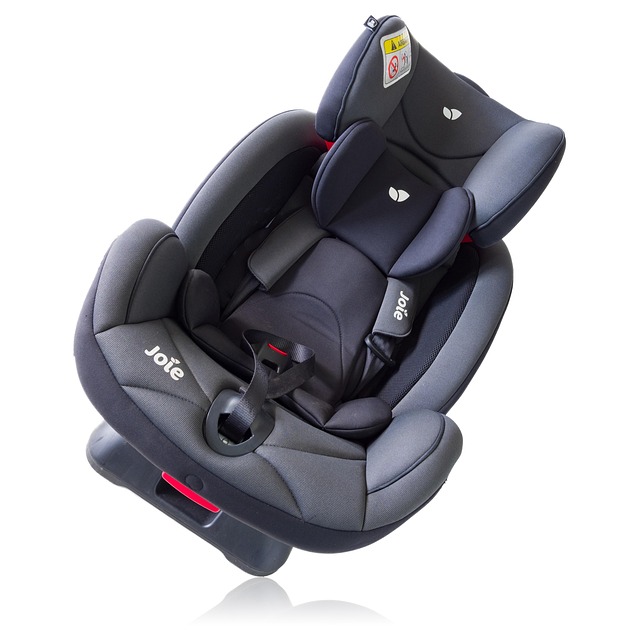
Advancements in Safety Engineering
New energy-absorbing materials are reshaping how impact forces are distributed during collisions. Engineers are experimenting with expanded polypropylene (EPP) foams and viscoelastic polymers that compress under stress yet regain shape afterward, offering superior crash performance. Smart sensors now track seat angle, belt tension, and even a child’s posture in real time. These sensors can alert caregivers via mobile apps if the seat is incorrectly installed or if the child’s position becomes unsafe. Modular designs further enhance adaptability—allowing a single seat base to support multiple attachments for infants through toddlers across different car models.
Innovations in Ergonomics and Comfort
Ergonomics has become a key differentiator among premium baby car seat models. Adjustable headrests and harnesses now grow with the child, preventing improper restraint as weight and height increase. Breathable fabrics made from hypoallergenic fibers reduce skin irritation during long trips, especially in warmer climates. Some manufacturers have even introduced ventilation channels within padding layers to regulate temperature naturally. Seat geometry research shows that slight curvature adjustments can minimize pressure points on the spine and hips—an often-overlooked factor that affects both comfort and posture during extended use.
Insights from the Stuttgart Safety Event
The Stuttgart event serves as a hub for collaboration between automotive engineers, pediatric researchers, and product developers. It bridges academic research with real-world testing data, setting new benchmarks for infant safety.
Focus Areas Highlighted by Industry Presentations
Industry presentations focus on crash dynamics unique to infants and toddlers—where head-to-body ratios differ significantly from adults’. Researchers have shared findings showing how rotational impacts cause more severe injuries than frontal ones, prompting renewed attention to side-impact protection systems. Real-world accident data collected across European roads are influencing design standards by identifying common misuse patterns such as loose harnesses or forward-facing transitions made too early. Discussions also revolve around harmonizing global testing protocols so that ECE R129 (Europe), FMVSS 213 (U.S.), and CMVSS 213 (Canada) align more closely.
Collaborative Opportunities for Experts
Beyond lectures, the event fosters networking among specialists who rarely share data directly. Automotive safety engineers exchange findings with pediatric biomechanics experts to refine restraint geometry based on actual body growth curves. Product designers contribute usability insights from consumer studies, helping translate lab-tested safety into parent-friendly products. Many participants aim to form joint R&D partnerships focused on integrating digital monitoring tools into next-generation seats.
The Role of Digitalization in Car Seat Innovation
Digitalization is transforming how baby car seats are designed, tested, and used daily. Smart connectivity allows continuous feedback loops between users and manufacturers while AI-driven simulations accelerate development cycles.
Smart Systems and Connectivity Features
IoT-enabled systems now monitor internal temperature, tilt angle, and occupancy status automatically. If a caregiver leaves a child unattended or if cabin heat rises dangerously high, alerts are sent instantly via paired smartphones. Mobile apps guide proper installation through augmented reality overlays or step-by-step video instructions—a practical response to widespread misuse issues documented by safety agencies worldwide. Data analytics derived from these connected devices help brands refine designs faster by identifying recurring user errors or maintenance needs.
Simulation and Testing with Advanced Software Tools
AI-based modeling tools replicate thousands of crash scenarios before physical prototypes ever reach test tracks. Such virtual simulations capture nuanced material behaviors under stress more accurately than traditional finite element methods alone. Virtual prototyping reduces both cost and time while improving reliability metrics by allowing engineers to iterate rapidly on structural reinforcements or foam densities. Cloud-based collaboration platforms further streamline this process by enabling real-time updates among global teams spanning Europe, Asia, and North America.
Regulatory Developments Shaping the Future of Baby Car Seats
Safety regulations continue to evolve alongside technology advancements. Compliance now requires deeper technical validation rather than simple pass-or-fail testing outcomes.
Updates in European Safety Standards (ECE R129 / i-Size)
ECE R129 introduced stricter side-impact criteria and mandates rear-facing travel until at least 15 months of age—a move supported by biomechanical evidence showing reduced neck strain during crashes. Manufacturers must now undergo dynamic sled tests with advanced dummies equipped with multi-axis sensors capturing rotational acceleration data. Comparing these requirements against FMVSS 213 reveals differing emphasis: U.S. rules prioritize frontal impacts while European frameworks favor all-around protection metrics.
The Importance of Compliance and Testing Methodologies
Accredited laboratories play a crucial role in verifying performance claims through standardized impact sequences using calibrated measurement systems traceable to ISO standards. Consumer testing organizations further influence market trends by publishing comparative ratings based on ease-of-use assessments alongside crash performance results. Continuous dialogue between regulators and industry innovators ensures that emerging technologies—such as smart alert systems—are integrated responsibly without compromising reliability or affordability.
Sustainability Considerations in Modern Baby Car Seat Design
Sustainability has shifted from marketing buzzword to engineering requirement within this sector. Companies are rethinking materials sourcing, manufacturing processes, and end-of-life recovery strategies.
Eco-Friendly Materials and Manufacturing Processes
Recyclable polymers like polypropylene blends now replace traditional mixed plastics that were difficult to separate post-use. Some brands explore bio-based composites derived from sugarcane or castor oil as substitutes for petroleum-based resins used in seat shells. Factories located closer to target markets reduce transportation emissions while modular components simplify disassembly for recycling or refurbishment later on.
Lifecycle Management and Circular Economy Models
Manufacturers increasingly offer refurbishment programs where used seats are inspected, sanitized, fitted with new covers or harnesses, then resold at lower prices—extending product lifespan significantly. Design principles emphasize easy removal of fabric covers without specialized tools so parts can be recycled efficiently at end-of-life stages. Partnerships with certified recycling firms ensure compliance with environmental directives such as the EU Waste Framework Directive governing material recovery rates across consumer goods sectors.
Anticipated Outcomes from the Stuttgart Event for Industry Experts
The Stuttgart meeting is expected to shape strategic priorities across research institutions and corporate R&D departments over the next five years.
Key Takeaways for Research and Development Teams
Experts anticipate identifying several emerging technologies ready for near-term commercialization—from adaptive restraint mechanisms using shape-memory alloys to predictive maintenance algorithms analyzing sensor data trends over time. Consumer studies presented at the event reveal shifting preferences toward lightweight yet durable designs following recent regulatory updates emphasizing rear-facing configurations longer into childhood stages.
Strategic Directions for Future Innovation Programs
Future innovation will depend heavily on cross-sector collaboration uniting automotive OEMs with material scientists developing next-gen composites and healthcare professionals studying pediatric ergonomics under real-world conditions. Human-centered design remains central: balancing safety performance with usability simplicity while embedding sustainability goals throughout production cycles helps align technological progress with evolving parental expectations across global markets.
FAQ
Q1: What makes modern baby car seats safer than older models?
A: Newer models use advanced energy-absorbing materials, smart sensors for monitoring installation accuracy, and modular structures compatible with various vehicles—all contributing to improved impact resistance and user confidence.
Q2: How do digital features improve caregiver experience?
A: IoT connectivity provides alerts about unsafe conditions like overheating or incorrect positioning while mobile apps assist installation through interactive guides reducing misuse incidents significantly.
Q3: Are sustainable baby car seats as durable as conventional ones?
A: Yes, recyclable polymers and bio-based composites offer similar strength-to-weight ratios compared with traditional plastics when properly engineered under ISO-certified manufacturing processes.
Q4: Why is rear-facing seating recommended longer under ECE R129?
A: Rear-facing positions better distribute crash forces along the back rather than concentrating them on the neck area—a critical factor given infants’ weaker cervical muscles compared to adults’.
Q5: What role does AI play in developing new car seats?
A: AI-driven simulations predict crash outcomes more precisely allowing faster iteration cycles before physical testing begins thereby enhancing both efficiency and product reliability overall.