
How Does a Baby Stroller Symbolize Change in Baltimore Mayor Brandon Scott’s Fathers Walk
Baltimore Mayor Brandon Scott Hosts Fathers’ Stroller Walk to Dispel Misperceptions of Black Fatherhood
Baltimore Mayor Brandon Scott’s Fathers’ Stroller Walk redefines how civic life intersects with personal identity. The event transforms the baby stroller from a domestic object into a public emblem of care, reshaping the narrative around Black fatherhood and masculinity. Through collective visibility, it challenges long-standing stereotypes and repositions nurturing as a form of civic strength. In a city historically burdened by racialized narratives, this walk stands as both political communication and cultural renewal—an act that merges governance, empathy, and representation.
The Symbolic Power of the Baby Stroller in Public Discourse
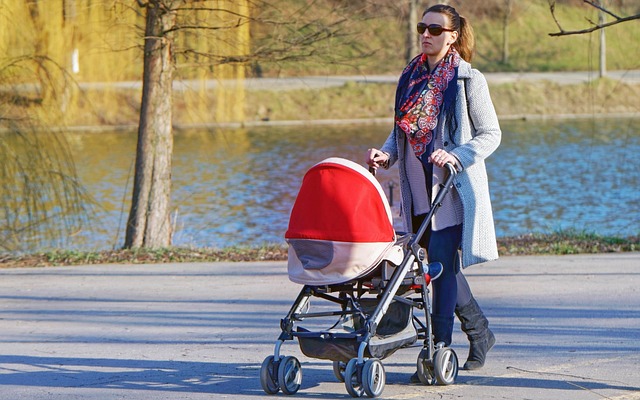
The baby stroller has evolved beyond its functional role. It now operates as a cultural signifier that connects private care with public meaning, particularly within racialized urban contexts.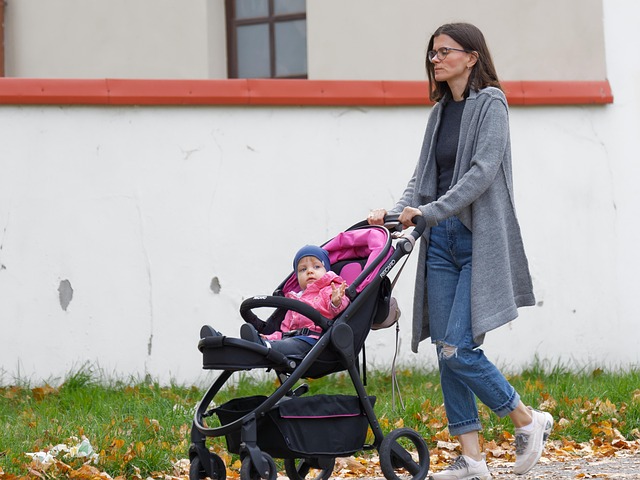
The Baby Stroller as a Cultural and Political Symbol
The baby stroller represents nurturing, responsibility, and care within family structures. When seen in public spaces, it becomes a visible declaration of presence—especially for Black fathers often mischaracterized by absence in mainstream discourse. The simple act of walking with a stroller transforms an intimate symbol of parenting into a civic statement about accountability and love. In this way, the stroller bridges personal identity and social commentary.
Reframing Masculinity Through Fatherhood Symbols
Traditional masculinity often excludes caregiving roles; yet the image of men pushing strollers redefines this narrative. It signals emotional availability and partnership rather than dominance or detachment. Public fatherhood performances like the Fathers’ Walk create new models of male identity centered on empathy and shared responsibility. Visual imagery of men with strollers communicates emotional labor not as weakness but as civic strength—a reimagining crucial for modern urban leadership.
Brandon Scott’s Fathers’ Walk: A Civic Gesture Toward Representation
Mayor Brandon Scott’s initiative situates symbolic action within Baltimore’s complex social fabric. The walk is not merely ceremonial; it operates as civic pedagogy that reshapes how leadership engages with community narratives about race, family, and belonging.
Contextualizing the Fathers’ Walk in Baltimore’s Social Landscape
Baltimore’s historical narratives around race and family have long shaped perceptions of Black fatherhood. Public initiatives like the Fathers’ Walk aim to counteract systemic misrepresentations by making paternal care visible in shared spaces. The event situates fatherhood as both community engagement and political communication—a space where policy meets lived experience.
Leadership Through Symbolic Action
Mayor Scott’s participation positions him simultaneously as policymaker and cultural mediator. His presence among fathers signals solidarity over hierarchy, demonstrating that leadership can operate through shared embodiment rather than authority alone. Walking alongside other fathers reframes governance as relational practice. The baby stroller here becomes an instrument for relational governance—bridging civic identity with personal authenticity.
Challenging Misperceptions of Black Fatherhood Through Collective Visibility
Collective visibility operates as both resistance and affirmation. By centering images of Black men engaged in caregiving acts, events like the Fathers’ Walk directly confront dominant media tropes that equate Black masculinity with absence or aggression.
Visual Narratives and Media Representation
Images of Black men pushing strollers disrupt long-standing visual codes that frame them through deficit or deviance. Such imagery functions as performative resistance against racialized myths by replacing invisibility with tenderness and agency. Collective visibility reframes Black fatherhood as communal, nurturing, and aspirational—qualities often erased from mainstream representation.
Community Engagement Beyond Symbolism
While symbolism matters, these events also generate tangible community outcomes. They foster intergenerational dialogue about responsibility, love, and mentorship within families. Local organizations often use such gatherings to connect young fathers to support networks that extend beyond the event itself. Symbolic acts thus translate into policy advocacy for family-centered urban programs—turning visibility into structural change.
The Intersection of Urban Policy, Identity, and Everyday Symbols
Urban life is shaped not only by infrastructure but also by rituals that define belonging. Civic gestures like the Fathers’ Walk reveal how everyday objects acquire political meaning when embedded in collective action.
How Civic Rituals Shape Urban Identity Narratives
Public rituals contribute to reimagining city identity through inclusivity rather than exclusion. When residents collectively occupy space around shared values—such as caregiving—they rewrite what urban citizenship looks like. Everyday objects like strollers become tools for social cohesion in cities historically divided by race or class boundaries.
Implications for Policy Communication and Civic Trust Building
Symbolic participation enhances trust between leadership and residents because it humanizes governance. When policy messages are grounded in lived experience—as when a mayor walks beside citizens—they resonate more deeply with marginalized communities. Integrating symbolic gestures into formal policy frameworks strengthens civic legitimacy while promoting empathy-driven governance rooted in everyday realities rather than abstract rhetoric.
Rethinking Fatherhood as a Framework for Urban Renewal
In contemporary cities facing crises of trust, safety, and fragmentation, fatherhood offers an unexpected but powerful metaphor for renewal grounded in care-based leadership.
Fatherhood as a Model for Civic Responsibility
Parenting metaphors provide new ways to conceptualize leadership rooted in attentiveness rather than control. Emphasizing nurturing parallels efforts to rebuild safety nets across neighborhoods while cultivating shared accountability among citizens. Within this framework, the baby stroller becomes more than a parenting tool—it stands as a metaphor for sustainable civic growth where progress moves at human pace yet carries future generations forward.
FAQ
Q1: What is the purpose of Baltimore’s Fathers’ Stroller Walk?
A: The walk aims to challenge stereotypes about Black fatherhood while promoting visibility of nurturing male roles in public spaces.
Q2: How does Mayor Brandon Scott’s participation influence public perception?
A: His involvement symbolizes collaborative leadership that connects policymaking with authentic community engagement.
Q3: Why is the baby stroller considered politically significant?
A: It represents care transformed into civic expression—turning private parenting into public advocacy for equity and responsibility.
Q4: How do such events impact local communities beyond symbolism?
A: They strengthen intergenerational ties, offer mentorship opportunities for young fathers, and inspire policy discussions on family-centered programs.
Q5: What broader lesson does this initiative offer urban policymakers?
A: It demonstrates how symbolic actions rooted in everyday experiences can rebuild trust between governments and residents while redefining inclusive urban identities.