

How Can Personal Care for Elderly Adults Keep Daily Life Safer at Home?
What Makes a Good Personal Care Plan for Elderly Adults?
Personal care for elderly adults is not only about washing, changing clothes, or keeping the room tidy. It also covers comfort, skin health, fall prevention, and the small daily steps that help an older person keep some independence. If you choose or source daily-use products for home care, care facilities, or retail shelves, the Personal Care category should follow real care routines, not just clean-looking packaging.
Gentle Skin Care Comes First
Older skin is often thinner, drier, and easier to upset. A rough towel, a strong fragrance, or a harsh wipe can cause redness or itching later in the day. Mild cleansers, soft disposable washcloths, pH-balanced wipes, and fragrance-light lotions are usually safer for daily use. In real care work, the better product is often the one a caregiver can use every day without creating a new skin problem.
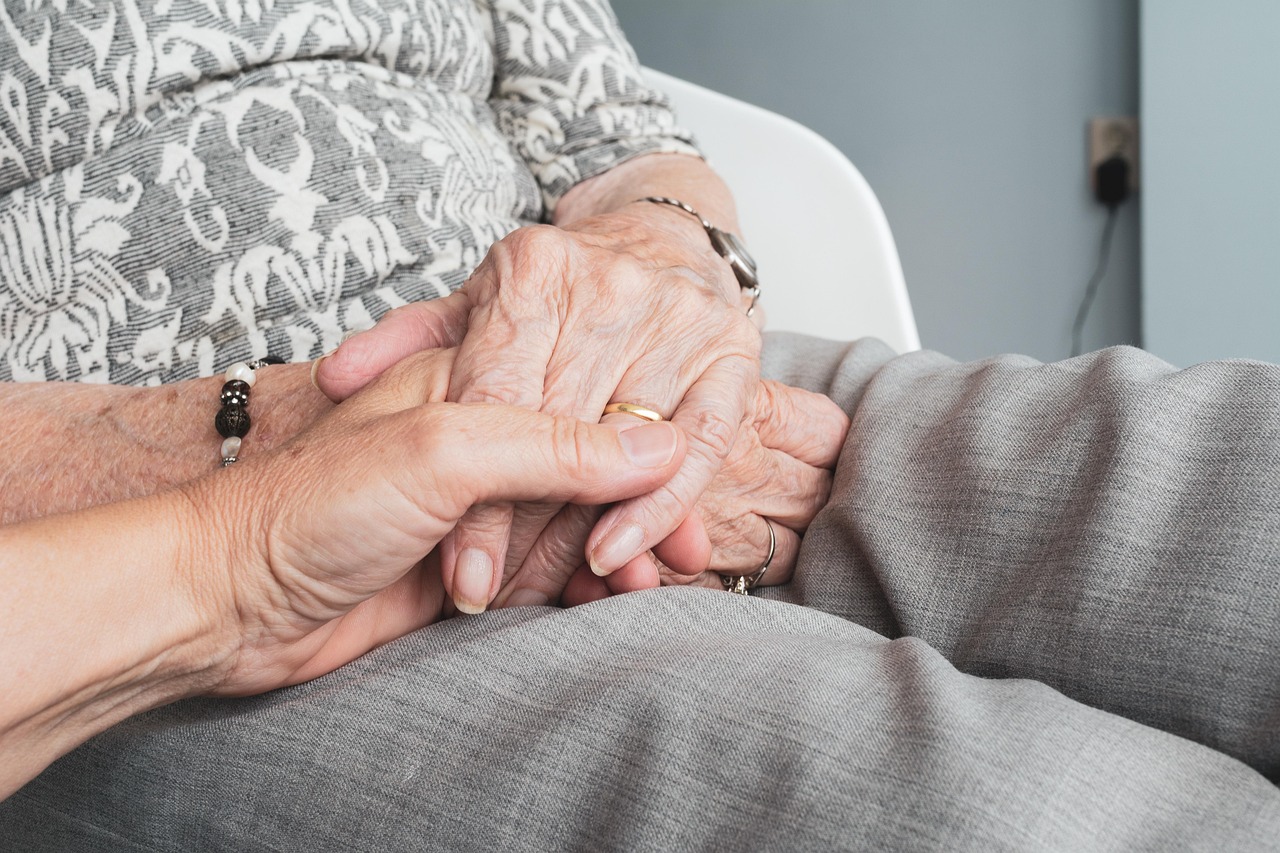
Dignity Shapes Every Routine
Personal care is private, and it can feel uncomfortable for the person receiving help. Someone may accept help with meals but refuse help with bathing or toileting, and that reaction is common. Products should make the routine feel less exposed. Large bath wipes, rinse-free shampoo caps, odor-control disposal bags, adult briefs with quiet materials, and easy-close hygiene packs can help protect dignity, because no one wants a noisy product heard from outside the room.
Home Layout Changes the Product List
A care plan in a small apartment is not the same as one in a care home. If the bathroom is far from the bedroom, bedside wipes, disposable underpads, and no-rinse cleansers become more useful. If storage space is tight, compact refill packs are easier to manage than large cartons. If the caregiver is also older, lighter packaging and one-hand dispensing can save effort during daily care.
Which Daily Tasks Matter Most for Safer Home Care?
Daily care is easier to manage when it is sorted by task. Bathing, oral care, toileting, grooming, and skin protection all need their own supplies. When each task has a small set of products kept in the right place, caregivers are less likely to miss something during a busy morning.
Bathing Needs Grip, Warmth, and Privacy
Bathing is often the hardest part of elderly personal care. Wet floors, cold rooms, and hurried movement can make an older person tense before the wash even starts. A safer setup starts before the water runs, with towels, wipes, clean clothes, gloves, and moisturizer placed within reach. If a full shower feels too tiring, rinse-free body wash or large cleansing wipes can be used on low-energy days, and that is practical care, not poor care.
Oral Care Protects Comfort and Appetite
Oral care is easy to put off, but it affects eating, speaking, breath, and sleep. A soft toothbrush, denture cleanser, alcohol-free mouth rinse, and lip balm should be kept together in one visible tray. If grip is weak, a thicker toothbrush handle may be easier to hold. If dry mouth happens often, it is better to ask a healthcare professional about safe products, especially when the person takes regular medication.
Toileting Support Reduces Stress for Everyone
Toileting care is where product fit matters a lot. Adult briefs, pull-up pants, bed pads, cleansing wipes, barrier cream, and disposal bags need to work as one simple system. A poor fit causes leaks, while too much absorbency can feel bulky and warm. Too little absorbency leads to extra laundry and stress, so a trial pack used over three normal days and one overnight period often gives better information than a long label claim.
How Can Product Choices Lower Risk Without Making Care Feel Clinical?
Safety products should not make a home feel like a hospital ward. The point is to make daily care easier and reduce small risks that repeat every day. Good personal care products fit into normal habits, stay where people can reach them, and do not need a long explanation before use.
Stable Bathroom Supplies Reduce Rush and Slip Risk
Place bath items before care starts: clean towel, soap or no-rinse cleanser, gloves, non-slip mat, chair if needed, and dry clothes. Keep the floor clear, and avoid tiny bottles that can roll under the sink. Pump bottles, wall holders, and resealable packs may look like small details. In practice, they matter when someone is wet, tired, and trying to stand safely.
Skin-Friendly Consumables Need Plain Labels
Labels should be easy to read and easy to check. For elderly care, buyers often look for terms such as hypoallergenic, alcohol-free, latex-free, fragrance-free, dermatologically tested, and pH-balanced. These claims should match the product file, not only the front label. If there is no reliable public data or internal document for a claim, it is safer not to print it.
Packaging Should Work With Weak Hands
Personal care packaging often causes trouble at the wrong time. A wipe pack that needs two strong hands, a lotion cap that sticks, or a brief bag that tears open badly can slow the whole routine. Easy-peel seals, clear front labels, color-coded sizes, and sturdy resealable lids help older adults and caregivers use the product without a small fight each time. This kind of packaging support is simple, but it makes repeat use much easier.
What Do Public Health Data Say About Elderly Personal Care?
Public health data gives useful background for product planning. It does not choose a brand for you, but it shows why safer routines, better home supplies, and age-friendly packaging matter in more markets now.
A Larger Older Population Needs Everyday Systems
The World Health Organization reports that by 2030, 1 in 6 people worldwide will be aged 60 years or over, and the number of people aged 60 and older is expected to double to 2.1 billion by 2050. For personal care buyers, this means elderly care is not a small side category. It is a daily-use market built around bathing, skin care, continence care, and basic home support. (who.int)
Falls Turn Hygiene Time Into Safety Work
The CDC reports that more than 14 million adults aged 65 and older in the United States fall each year, about 1 in 4 older adults. It also notes that about 37% of those who fall report an injury needing medical treatment or causing activity limits for at least one day. That makes hygiene time part of safety work, especially in bathrooms, bedrooms, and late-night toileting routines. (cdc.gov)
Aging at Home Changes Buying Decisions
AARP’s 2024 Home and Community Preferences Survey found that 75% of adults aged 50 and older want to remain in their current homes as they age, and 73% hope to stay in their communities. For product selection, this points to home-friendly formats: smaller cartons, discreet absorbent products, simple bathing aids, wipes that do not dry out quickly, and supplies that family caregivers can reorder without confusion. These products need to fit a normal home shelf, not only a care facility storeroom. (aarp.org) See also: baby&kids.
How Should Caregivers Build a Simple Weekly System?
A weekly system works better than random restocking. It also lowers stress for the person giving care. No caregiver wants to find out at 10 p.m. that the last adult brief, clean underpad, or barrier cream was used the day before.
A Morning and Evening Checklist Keeps Care Visible
Keep the checklist short and easy to follow. Morning can include face wash, oral care, clean clothes, skin check, continence product change, and hydration reminder. Evening can include toileting, gentle cleansing, moisturizer, oral care, fresh underpad if needed, and a clear path to the bathroom. A printed list on the inside of a cabinet door is enough, and it does not need to look polished.
A Low-Mess Bath Setup Saves Energy
For shower days, prepare a clean zone and a used-item zone. Put fresh towel, clothing, gloves, wipes, and lotion on one side, then place the disposal bag and laundry basket on the other. For non-shower days, use warm wipes or rinse-free wash in stages: face, upper body, hands, lower body, then private areas last. This order feels respectful and also keeps the cleaning process more controlled.
A Monthly Review Catches Quiet Problems
Once a month, check product fit, skin condition, odor control, storage, and any new mobility issue. Also review medicines with a qualified healthcare professional when dizziness, sleepiness, or repeated falls appear. The American Geriatrics Society released the 2023 AGS Beers Criteria to help clinicians identify potentially inappropriate medications in older adults. It is a useful reminder that personal care and medication safety often meet during normal daily routines. (americangeriatrics.org)
What Should Buyers Check Before Choosing Personal Care Supplies?
If you buy for a family, care home, distributor, or FMCG shelf, do not judge elderly care supplies only by unit price. Look at fit, claims, packaging, reorder speed, and how the product performs during normal use. A low quoted price is not helpful if the product creates complaints, waste, or extra care time.
Skin Contact Claims Should Be Clear
For wipes, underpads, briefs, gloves, and wash products, skin contact is the main issue. Ask for material details, absorbency information, test reports when available, and ingredient lists. A low-cost product that causes irritation can become expensive quickly through returns, complaints, or added work for caregivers. Clear files also help distributors and retailers answer buyer questions with less back-and-forth.
Fit, Size, and Absorbency Must Match Real Use
Incontinence products should be chosen by waist size, body shape, mobility, and day or night use. A mobile older adult may prefer pull-up pants, while a bedbound person may need tab-style briefs and larger underpads. For care teams, color-coded size ranges reduce mistakes during fast changes. For retail, clear sizing charts help reduce opened-pack returns.
Supply Continuity Matters More Than Fancy Features
Personal care is repeat buying. A caregiver may accept plain packaging, but not out-of-stock basics. Stable supply, consistent size grading, readable cartons, and predictable case counts matter in this category. When a product becomes part of a daily routine, changing it suddenly can upset the person receiving care, and even a new scent can cause a problem.
FAQ
Q1: What Is the Most Important Part of Personal Care for Elderly Adults? A: Safety and dignity should come first. Clean skin matters, but the routine should also reduce fall risk, protect privacy, and keep the person comfortable.
Q2: How Often Should Elderly Adults Bathe? A: It depends on health, activity level, skin condition, and personal choice. Many people do well with full bathing a few times a week plus daily face, hand, underarm, and private-area cleansing.
Q3: Are Rinse-Free Cleansers Good for Elderly Care? A: They can help when showers are tiring or unsafe. Choose mild formulas, use soft cloths, and watch for dryness or irritation after repeated use.
Q4: Which Products Should Be Kept Near the Bed? A: Useful bedside items include cleansing wipes, gloves, underpads, barrier cream, tissues, disposal bags, water, and a small night light if it suits the room.
Q5: How Can You Choose Better Personal Care Products for Elderly Users? A: Start with the person’s real routine. Check skin sensitivity, mobility, toileting needs, hand strength, storage space, and caregiver workload before comparing price.